Afghan Hound vs Lapponian Herder
Side-by-side comparison across all 14 AKC trait ratings, with a clear verdict on which breed fits which kind of household.
Not sure which breed fits your life?
Answer five questions about your home, your schedule, and your tolerance for shedding. We’ll match you to your top three breeds from over 200.
Afghan Hound vs Lapponian Herder
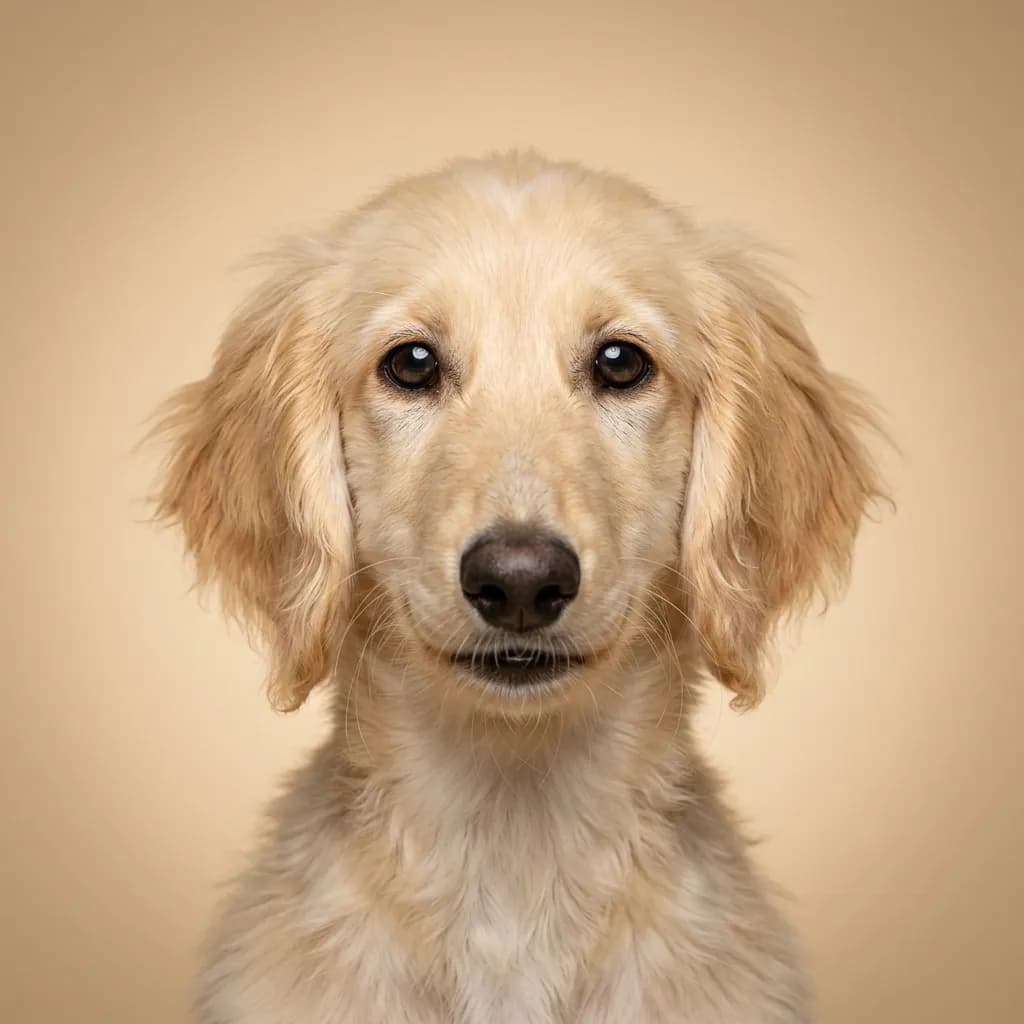
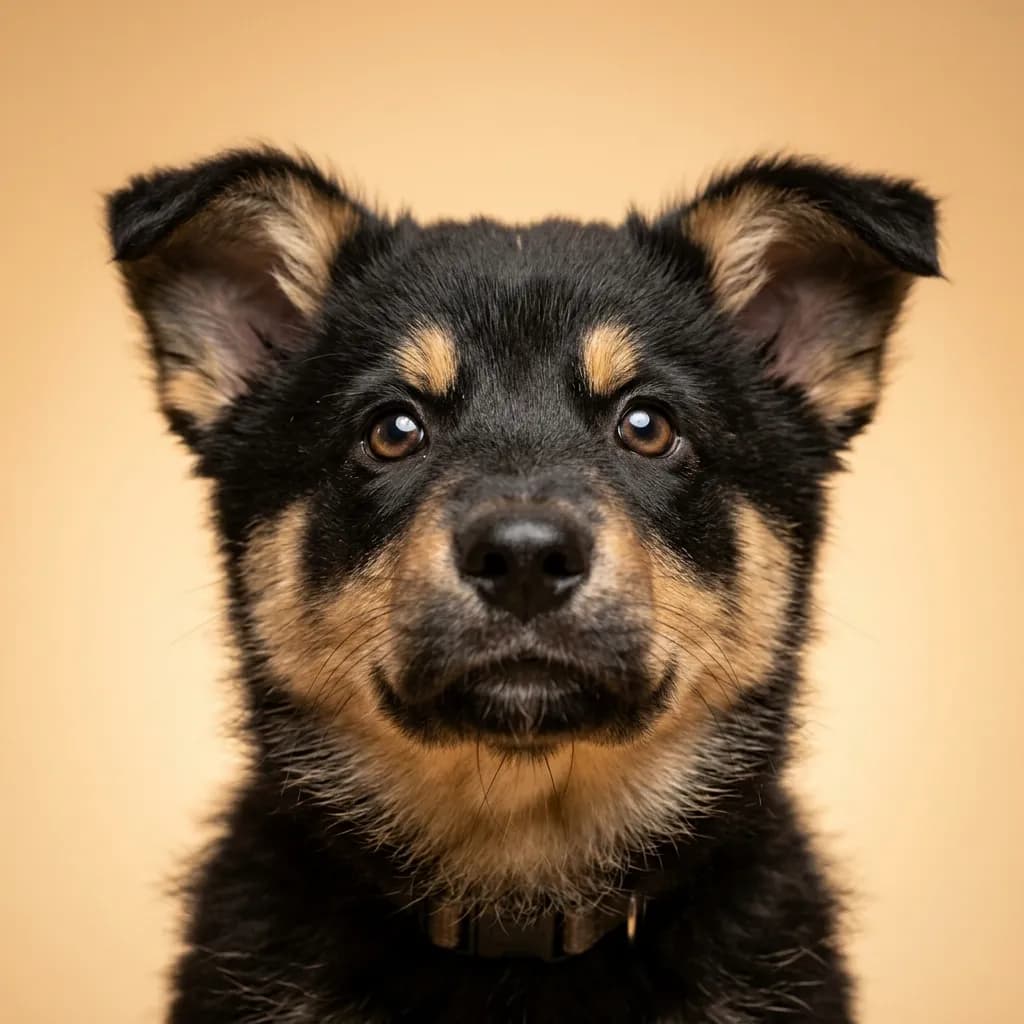
People compare Afghan Hounds and Lapponian Herders because both are striking, active dogs with deep cultural roots and a wild look about them. But that’s where the real similarities end. If the Afghan is the aloof poet of the dog world, the Lapponian Herder is the cheerful co-pilot ready to tackle the next adventure with gusto. The Afghan Hound is bred for speed and independence, chasing game across rugged terrain with a mind of its own. That shows in every aspect of their personality. They’re loyal, yes, but on their terms. Training? Good luck. 1 out of 5 isn’t just low, it’s “they might glance at you mid-sprint and keep going.” They need space, yes, but more than that, they need a handler who understands that this isn’t a dog to command. It’s a dog to negotiate with. Their grooming is legendary. hours of brushing for that silky coat. but the real challenge is emotional: they don’t love lavishly. They tolerate it, sometimes return it, if you’ve earned it. The Lapponian Herder is none of that. Bred to work closely with the Sami people, they’re tuned in to human cues, eager to learn, and thrive on collaboration. They bark more, shed moderately, and their 4 out of 5 trainability means you can actually teach them reliably. They’re affectionate in a dog-next-to-the-fire kind of way. warm, present, and deeply bonded. If you want a dog that complements a quiet, spacious life and doesn’t mind solitude, go Afghan. But if you’re active, consistent, and want a partner, not a monarch, the Lapponian Herder will surprise you with their loyalty and joy. Here’s the truth beyond the data: the Afghan Hound doesn’t need you. The Lapponian Herder wants you. That changes everything.
Trait-by-trait
Higher bar = more of that trait. Shedding, barking, drooling, grooming flipped for readability.Where they diverge
Choose the Afghan Hound if…
- Active people
- Experienced owners
- Spacious homes
- You value coat grooming — Afghan Hound scores noticeably higher.
Choose the Lapponian Herder if…
- active families
- cold climates
- herding and working dog enthusiasts
- You value trainability — Lapponian Herder scores higher here.