Akita vs Eurasier
Side-by-side comparison across all 14 AKC trait ratings, with a clear verdict on which breed fits which kind of household.

Not sure which breed fits your life?
Answer five questions about your home, your schedule, and your tolerance for shedding. We’ll match you to your top three breeds from over 200.
Akita vs Eurasier
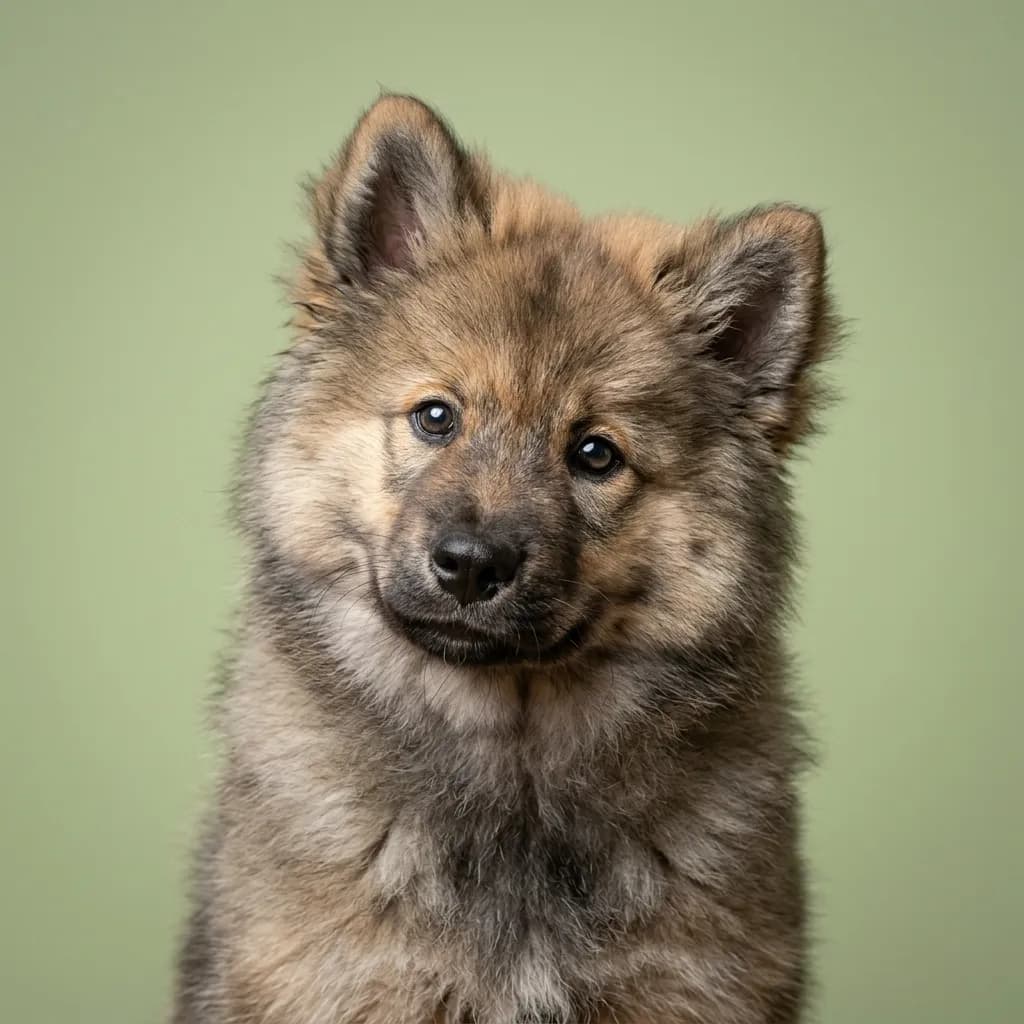
People compare Akitas and Eurasiers because they both look like majestic, fox-faced spitz dogs with thick double coats and dignified bearing. At a glance, they might seem like variations of the same breed, but live with one and you’ll quickly realize they’re built for entirely different lives. The Akita is a powerhouse. Originally bred to hunt bear in the mountains of Japan, it carries a quiet intensity. These dogs are deeply loyal but reserved, often bonding strongly with one person. They’re not aggressive by default, but their size and strong instincts mean they need experienced handling. Akitas don’t play well with other dogs, especially same-sex ones, and their 3/5 kid rating means interactions with young children need close supervision. They’re not barkers, but their presence alone is a deterrent. You’re not just owning an Akita, you’re managing a legacy of independence and power. The Eurasier, in contrast, was deliberately bred in post-war Germany to be the balanced companion. calm, emotionally intelligent, and family-oriented. They’re smaller, gentler, and actually enjoy being part of a household rhythm. They bond with the whole family, not just one person, and are more adaptable to living with kids and even other pets. Trainability is higher not because they’re smarter, but because they genuinely want to please. Here’s the real difference: Akitas demand respect. Eurasiers offer companionship. If you want a dog that walks beside you like a silent guardian, go Akita. But if you want a dog that settles at your feet after a walk and leans into your hand like it means it, the Eurasier might be your quiet soulmate. Just know. both will shed all year and cost a fortune in quality food and hip screenings.
Trait-by-trait
Higher bar = more of that trait. Shedding, barking, drooling, grooming flipped for readability.Where they diverge
Choose the Akita if…
- Experienced owners
- Spacious homes
- Active people
- You value watchdog / protective — Akita scores noticeably higher.
Choose the Eurasier if…
- families seeking a calm companion
- homes with children
- experienced but patient owners
- You value good with other dogs — Eurasier scores higher here.