Akita vs Greyhound
Side-by-side comparison across all 14 AKC trait ratings, with a clear verdict on which breed fits which kind of household.
Not sure which breed fits your life?
Answer five questions about your home, your schedule, and your tolerance for shedding. We’ll match you to your top three breeds from over 200.
Akita vs Greyhound
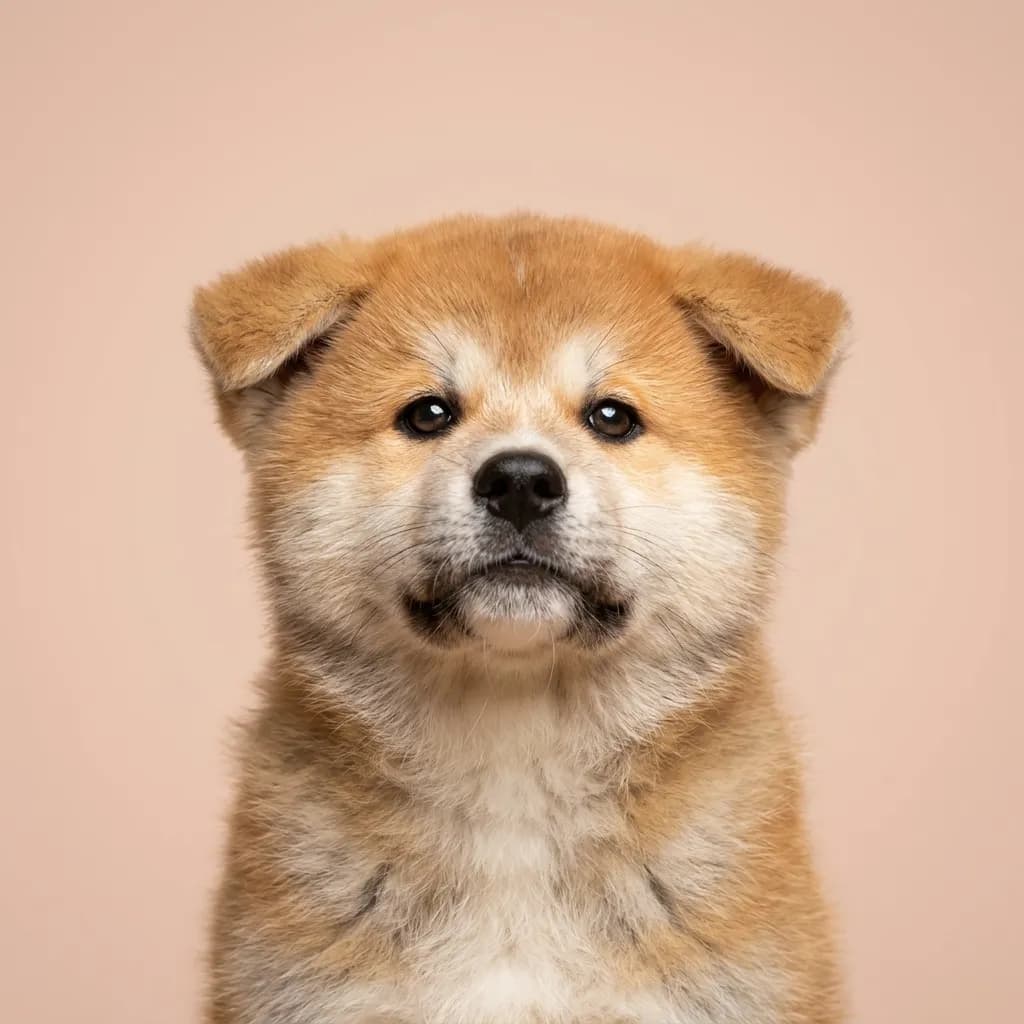
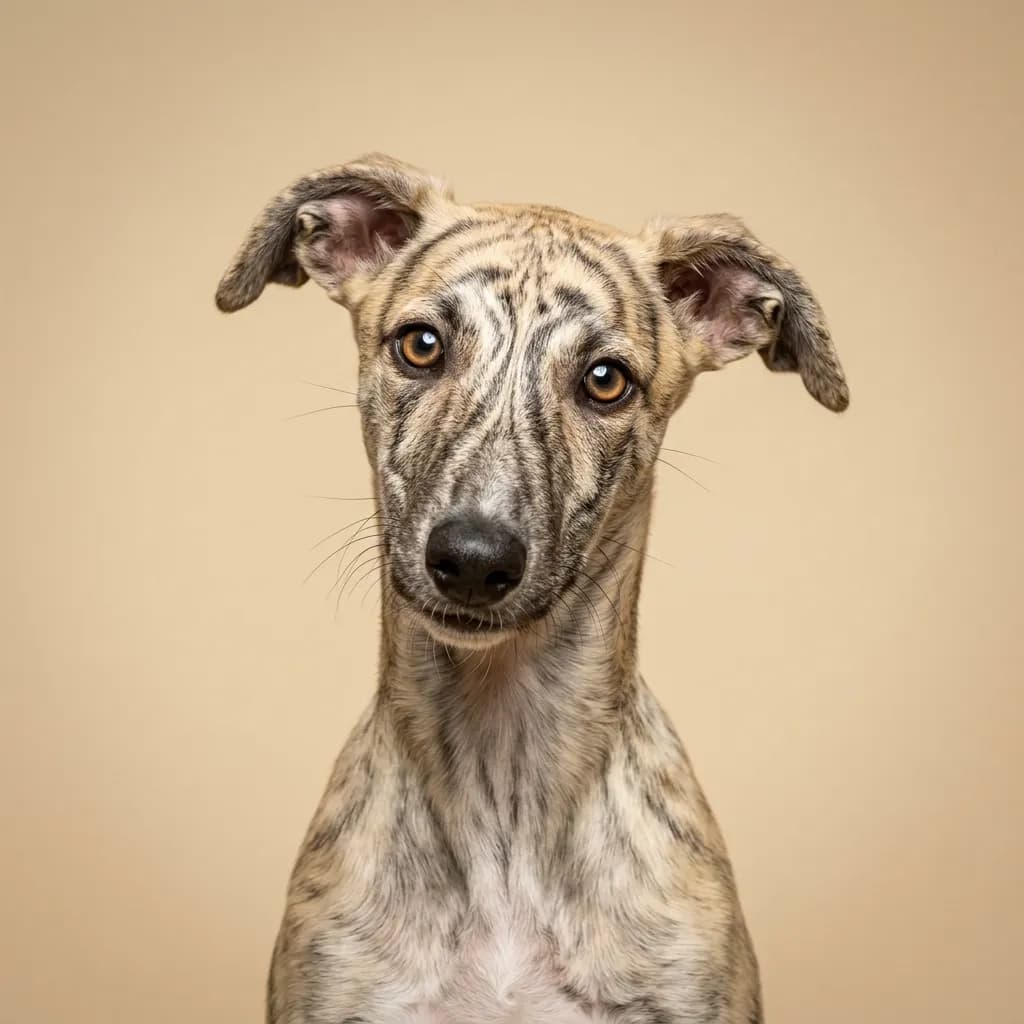
You don’t see Akitas and Greyhounds lined up at the dog park often, but people compare them when they’re drawn to large, dignified dogs with a quiet presence. Both are big, both can be calm indoors, and both have that “noble” look that turns heads. But that’s where the similarity ends. these breeds come from entirely different worlds. The Akita is a fortress on four legs. Bred to hunt bear in the mountains of Japan, it’s powerful, deeply loyal, and intensely private with strangers. You’ll need experience to handle their strong will and territorial instincts. They don’t play well with other dogs and can be reserved. even awkward. around kids. They’re not barkers, but they are watchers, and their loyalty borders on solemn. You’ll need space, time, and consistency. They’re not the dog to leave alone all day while you work. The Greyhound, in contrast, is a 45-mile-per-hour couch potato. Yes, they can sprint like the wind, but most of the time they’re curled up at your feet, leaning into you with that goofy, gentle grace. They thrive in apartments, adapt easily, and adore people. But don’t be fooled by the calm. chase instincts run deep. That squirrel? It’s a target. Many come from racing backgrounds, so they’re already housebroken and crate-trained, making adoption a smart, rewarding choice. Here’s the real talk: size doesn’t tell the whole story. The Akita demands respect and leadership; the Greyhound just wants to be loved and kept safe from things that trigger their flight response. If you want a guardian with gravitas, go Akita. If you want a velvety, sprint-and-snuggle companion who’s easy on the eyes and the coat brush, the Greyhound’s your hound.
Trait-by-trait
Higher bar = more of that trait. Shedding, barking, drooling, grooming flipped for readability.Where they diverge
Choose the Akita if…
- Experienced owners
- Spacious homes
- Active people
- You value coat grooming — Akita scores noticeably higher.
Choose the Greyhound if…
- Apartment dwellers (surprisingly calm indoors)
- Adoption-minded owners (many ex-racers)
- Low-maintenance coat owners
- You value good with other dogs — Greyhound scores higher here.