Akita vs Mountain Cur
Side-by-side comparison across all 14 AKC trait ratings, with a clear verdict on which breed fits which kind of household.
Not sure which breed fits your life?
Answer five questions about your home, your schedule, and your tolerance for shedding. We’ll match you to your top three breeds from over 200.
Akita vs Mountain Cur
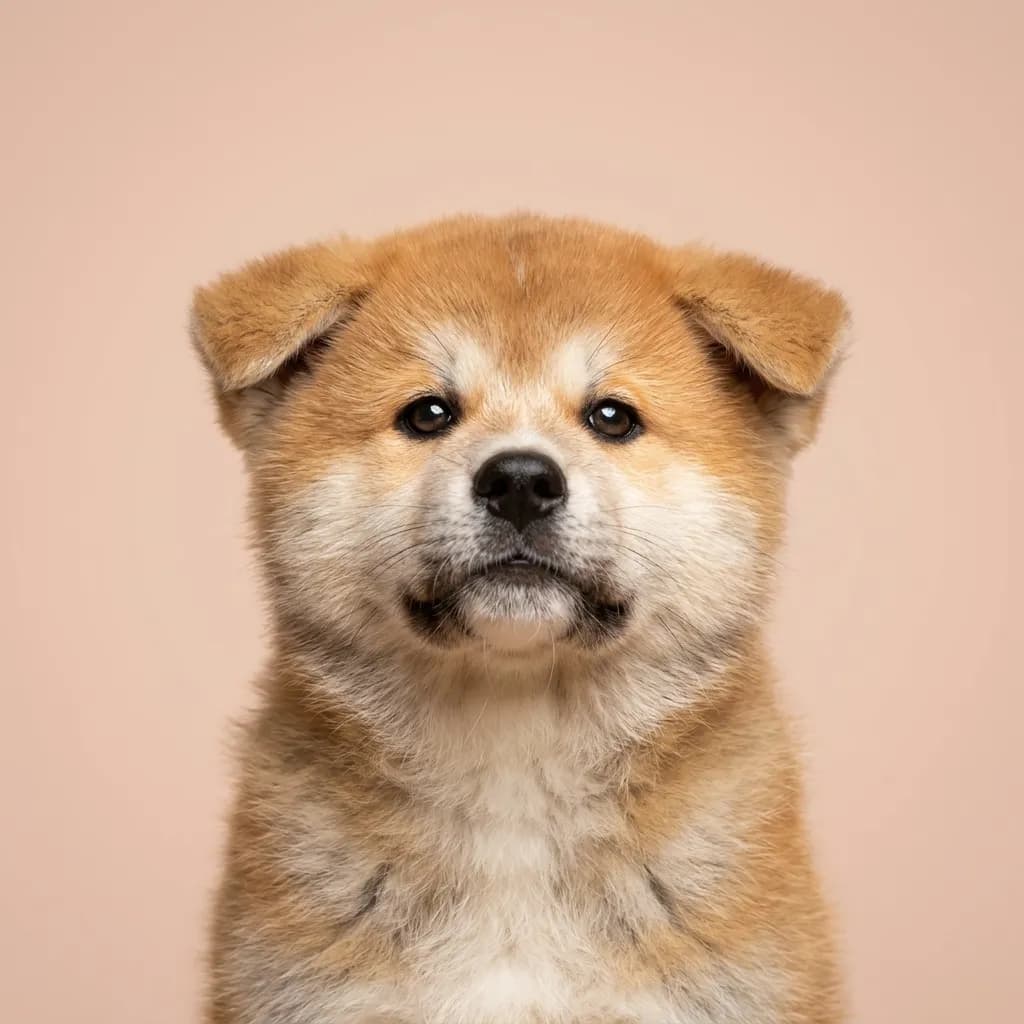
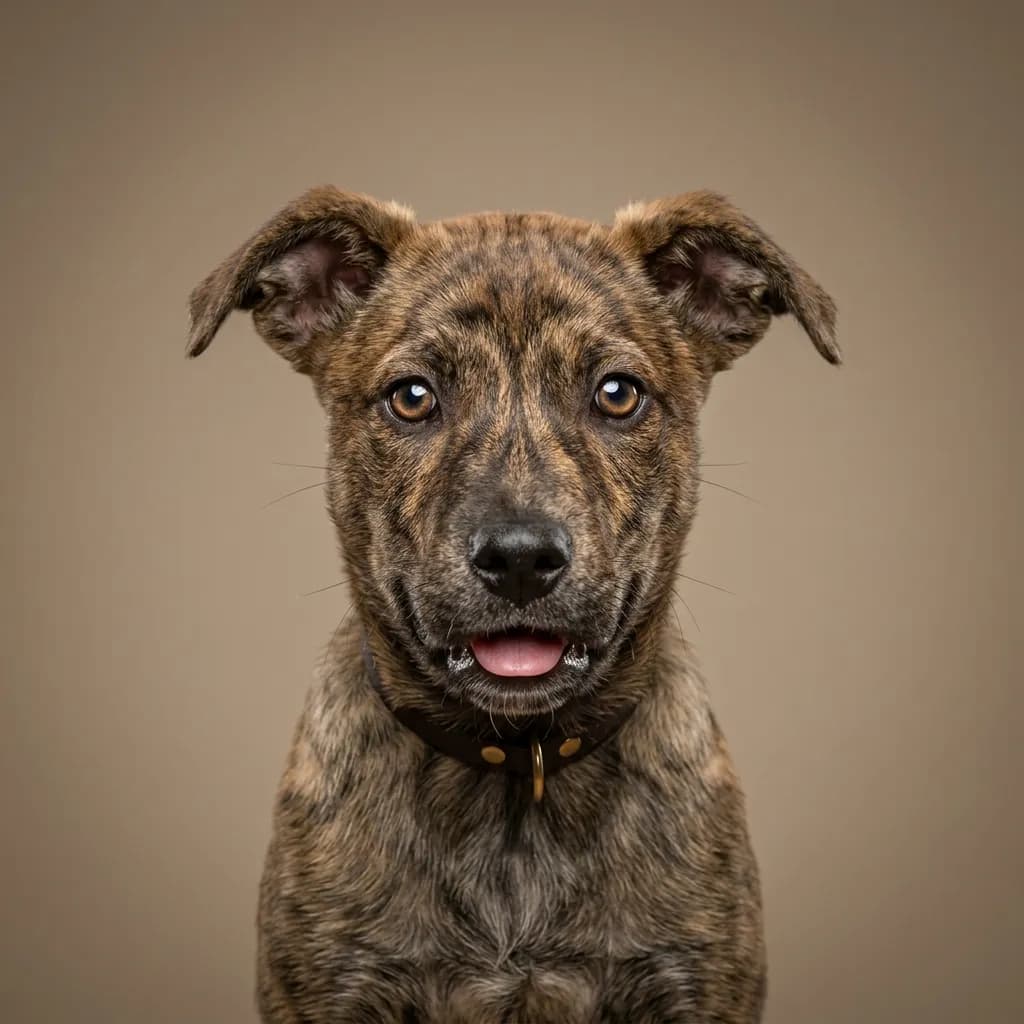
People compare Akitas and Mountain Curs because both are rugged, independent American working dogs with strong hunting roots and a no-nonsense attitude. But that’s where the similarities end. One is a mountain-sized guardian bred for solitude and power, the other a lean, relentless hunter built for endurance and versatility. The Akita is the stoic palace guard of the dog world. At 70 to 130 pounds, it moves with deliberate calm but carries the potential for serious dominance, especially around other dogs. It’s loyal to its person to a fault, but not exactly eager to please. Training requires patience and consistency, and socialization starts the day you bring it home. It’s not that it won’t obey, it’s that it’s constantly deciding whether it wants to. The Mountain Cur, on the other hand, is pure kinetic energy in a 60-pound frame. Bred to tree raccoons and bay wild boar in the hollers of Appalachia, it lives to work. It's smarter on the move, thrives on mental challenges, and bonds deeply with its family. especially if that family is outdoors every day. It’s more affectionate than the Akita and less prone to one-person loyalty, but don’t be fooled by its 4/5 affection score. This dog doesn’t do well cooped up on a city block. Here’s the real talk: if you want a noble, imposing presence and have the experience to lead without breaking its spirit, the Akita might be your match. But if you hike, hunt, or work land and need a tough, thinking dog that’ll do it all beside you, the Mountain Cur is the unsung hero most people don’t know they need. The truth no breeder will lead with? Akitas can be emotionally brittle. harsh training breaks them. Mountain Curs just vanish into the woods if under-stimulated. Neither forgives a weak handler.
Trait-by-trait
Higher bar = more of that trait. Shedding, barking, drooling, grooming flipped for readability.Where they diverge
Choose the Akita if…
- Experienced owners
- Spacious homes
- Active people
- You value coat grooming — Akita scores noticeably higher.
Choose the Mountain Cur if…
- Active outdoor owners
- Hunters
- Rural or farm settings
- You value good with other dogs — Mountain Cur scores higher here.