Akita vs Stabyhoun
Side-by-side comparison across all 14 AKC trait ratings, with a clear verdict on which breed fits which kind of household.
Not sure which breed fits your life?
Answer five questions about your home, your schedule, and your tolerance for shedding. We’ll match you to your top three breeds from over 200.
Akita vs Stabyhoun
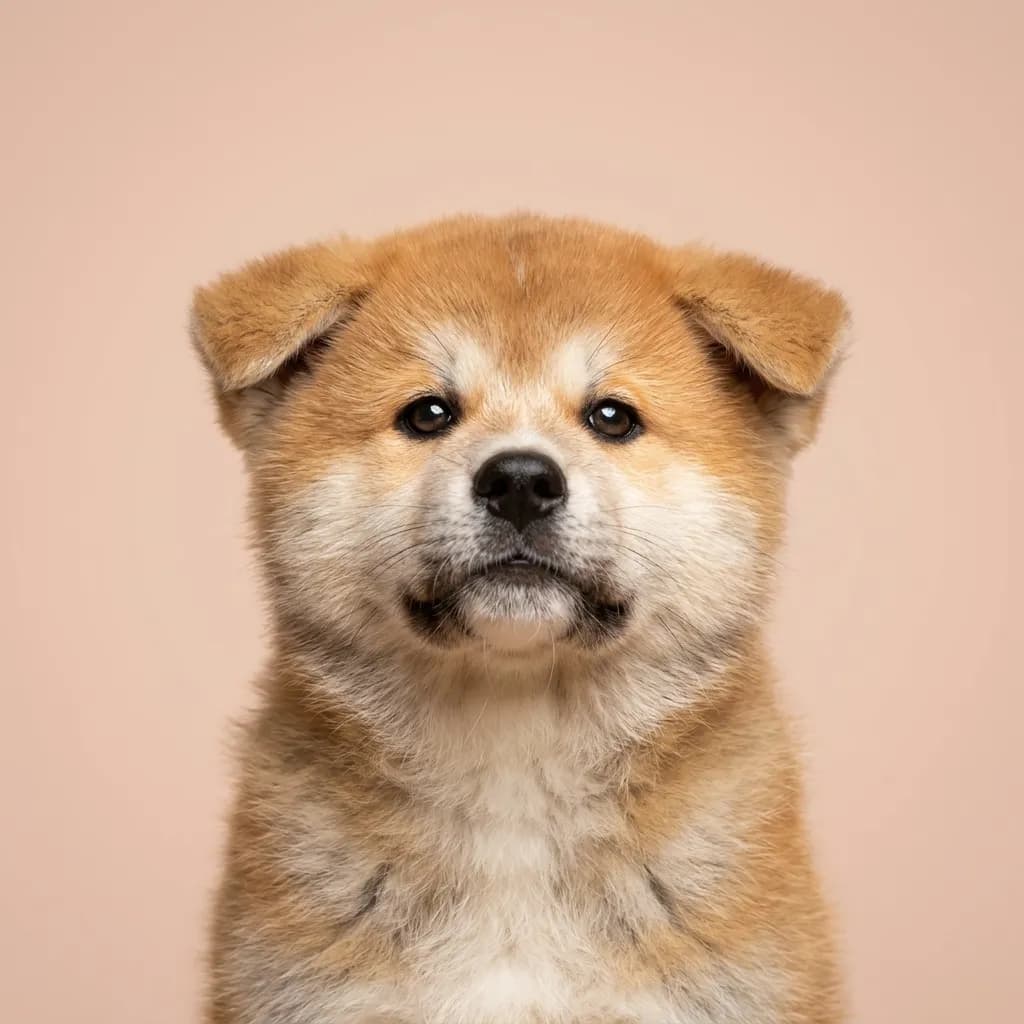
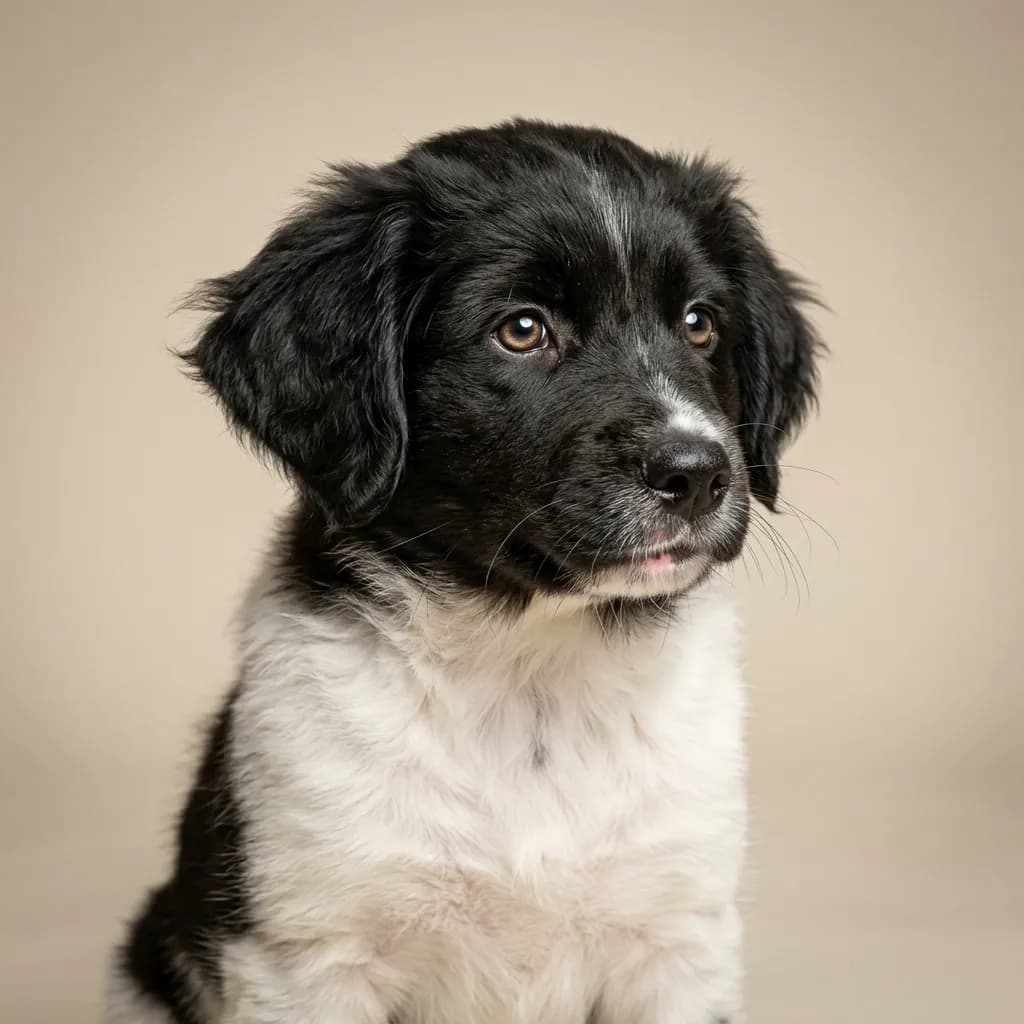
People compare Akitas and Stabyhouns because both are rare, striking dogs with deep loyalty and a working edge. but that’s where the similarities end. You’re not just picking between sizes here; you’re choosing between a mountain fortress and a family farmhouse. The Akita is a one-family guardian, bred to hunt bear in the Japanese highlands. They weigh up to 130 pounds of quiet intensity, with a dignity that borders on aloofness. They're not unfriendly, but they don’t hand out affection freely. They’re better with adults than small kids, and they often do best as the only pet. same-sex aggression is real, and their prey drive doesn’t disappear with training. They need an owner who understands canine psychology, not just commands. If you’re a first-time dog owner, this isn’t your breed. The Stabyhoun, on the other hand, is the Dutch family workhorse you’ve probably never seen. At 40 to 60 pounds, they’re energetic but easygoing, built for pointing, retrieving, and swimming in wet Frisian fields. They’re eager to please, highly trainable, and genuinely love kids, other dogs, and even cats if raised with them. They’ll adapt to a suburban home if you give them daily off-leash time and something to solve. a puzzle toy, a scent game, a weekend hunt test. Here’s what the data won’t tell you: Akitas don’t just need space. they need purpose. Without it, their loyalty turns inward, and they become stubborn or distant. The Stabyhoun, though, thrives on inclusion. Leave them alone too long, and their gentle nature can tip into anxiety. Choose the Akita if you want a noble, independent companion and you’ve already lived with strong-willed dogs. Pick the Stabyhoun if you want a dog who wants to be part of everything you do. and does it with a soft mouth and a softer heart.
Trait-by-trait
Higher bar = more of that trait. Shedding, barking, drooling, grooming flipped for readability.Where they diverge
Choose the Akita if…
- Experienced owners
- Spacious homes
- Active people
- You value coat grooming — Akita scores noticeably higher.
Choose the Stabyhoun if…
- active families
- hunters and waterfowl retrievers
- dog sport enthusiasts
- You value good with other dogs — Stabyhoun scores higher here.