American Hairless Terrier vs Drever
Side-by-side comparison across all 14 AKC trait ratings, with a clear verdict on which breed fits which kind of household.
Not sure which breed fits your life?
Answer five questions about your home, your schedule, and your tolerance for shedding. We’ll match you to your top three breeds from over 200.
American Hairless Terrier vs Drever
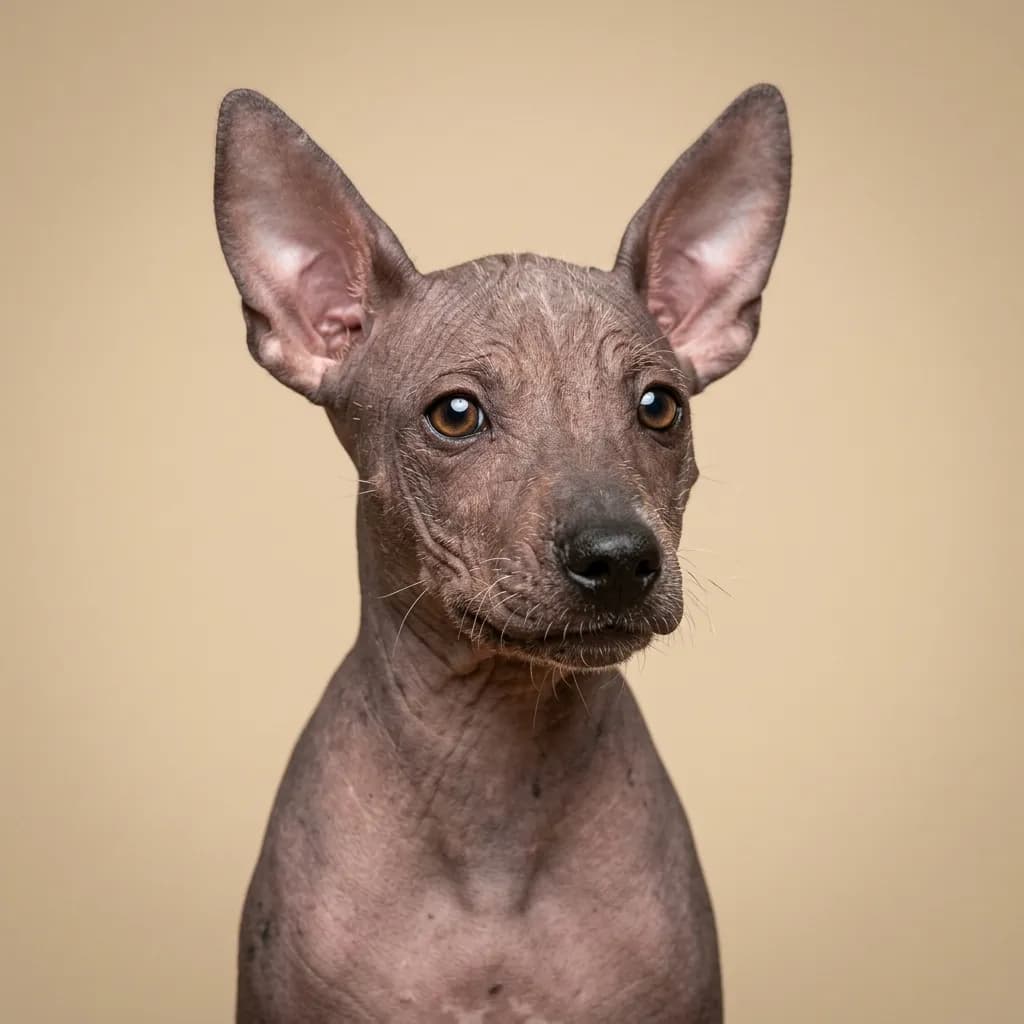
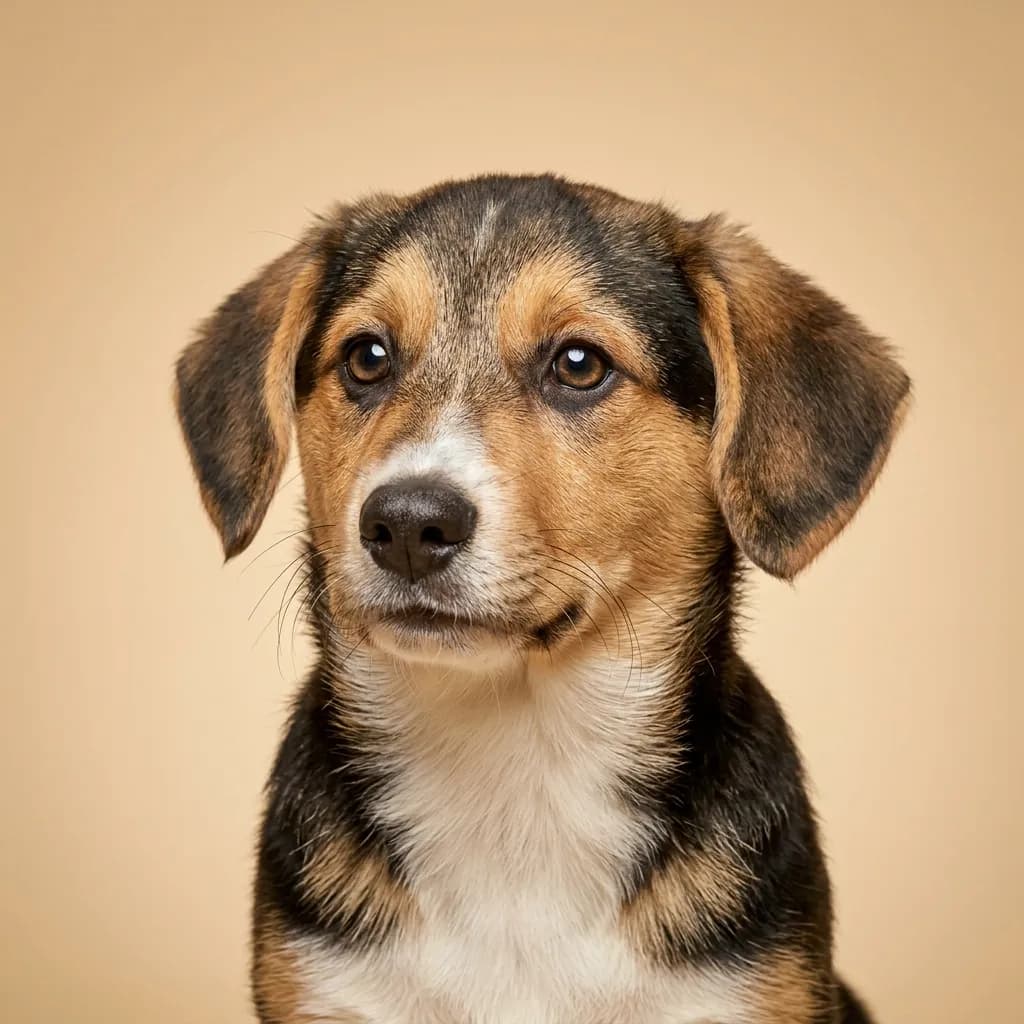
People compare the American Hairless Terrier and the Drever because both are rare, mid-sized dogs with short legs and big personalities, but that’s where the similarities end. One’s a nimble, bare-skinned companion bred for southern bayous; the other’s a thick-coated, deep-voiced hound built for Nordic forests. If you’re drawn to either, you probably value uniqueness and activity, but your lifestyle will decide which fits. The American Hairless Terrier is a charmer for modern life. At 12 to 16 pounds, it’s light on its feet and perfect for apartments. It bonds hard, learns fast, and doesn’t shed. ideal for allergy sufferers or families wanting a kid-friendly, affectionate dog. But don’t let the small size fool you. This dog needs sunblock and a sweater when it’s cold, and if you ignore its skin care, you’ll face real issues. It’s smart but not obsessive, happy with a daily walk and some puzzle toys. The Drever, meanwhile, is a working hound at heart. Heavier at 35 to 40 pounds, with a coat that sheds and ears that trap moisture, he’s built for cold weather and long treks. Bred to drive deer through dense woods, he’s got stamina, a strong voice, and a nose that won’t quit. He’s great with kids and loyal, but he needs space and purpose. Keep him in a yard with low fencing and he’ll bolt; keep him indoors all day and he’ll get fat or bored. Here’s the real difference: the Hairless Terrier adapts to you. The Drever asks you to adapt to him. One fits your life. The other changes it. Pick the first if you want a low-allergen companion. Pick the second if you want a hunting partner who also happens to love your kids.
Trait-by-trait
Higher bar = more of that trait. Shedding, barking, drooling, grooming flipped for readability.Where they diverge
Choose the American Hairless Terrier if…
- Allergy sufferers
- Apartment dwellers
- Active people
- You value adaptability — American Hairless Terrier scores noticeably higher.
Choose the Drever if…
- hunters
- active families in cold climates
- outdoor adventurers
- You value good with other dogs — Drever scores higher here.