Australian Stumpy Tail Cattle Dog vs Beagle
Side-by-side comparison across all 14 AKC trait ratings, with a clear verdict on which breed fits which kind of household.
Not sure which breed fits your life?
Answer five questions about your home, your schedule, and your tolerance for shedding. We’ll match you to your top three breeds from over 200.
Australian Stumpy Tail Cattle Dog vs Beagle
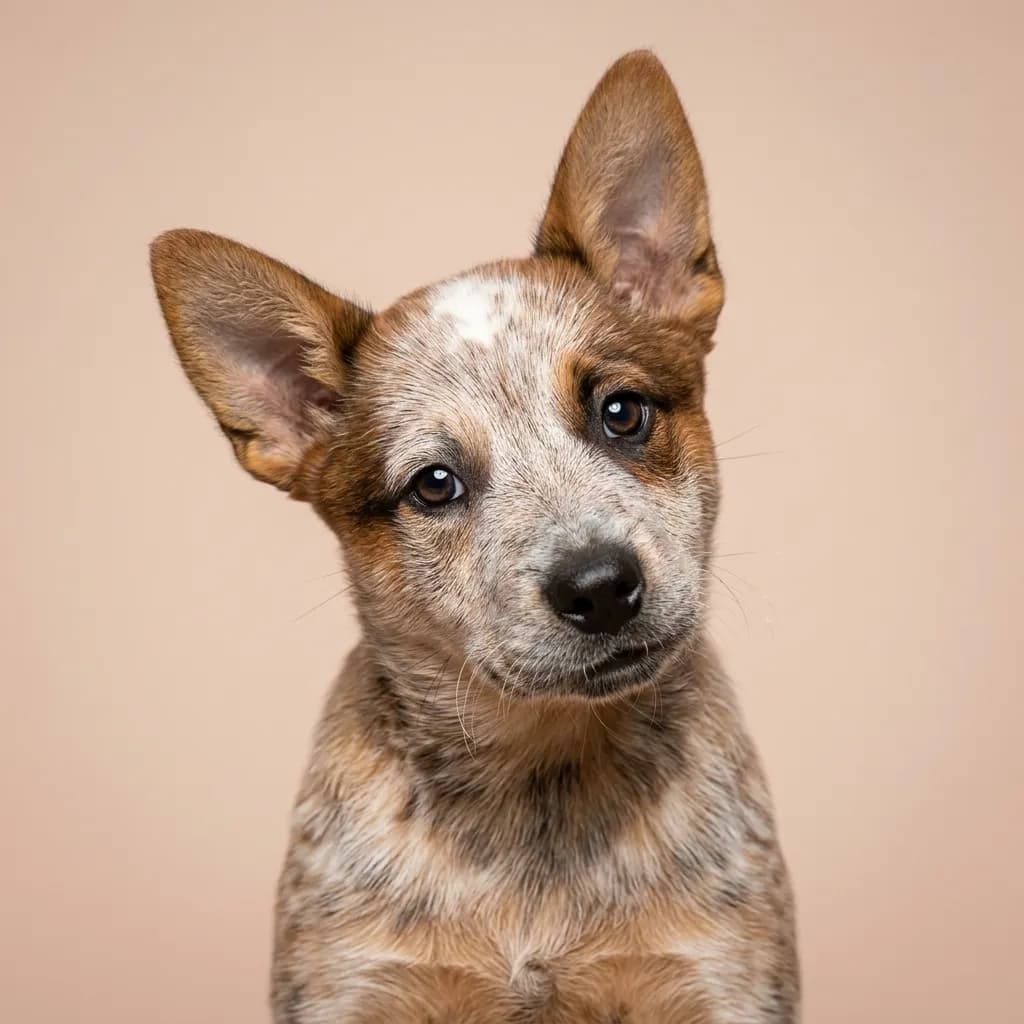
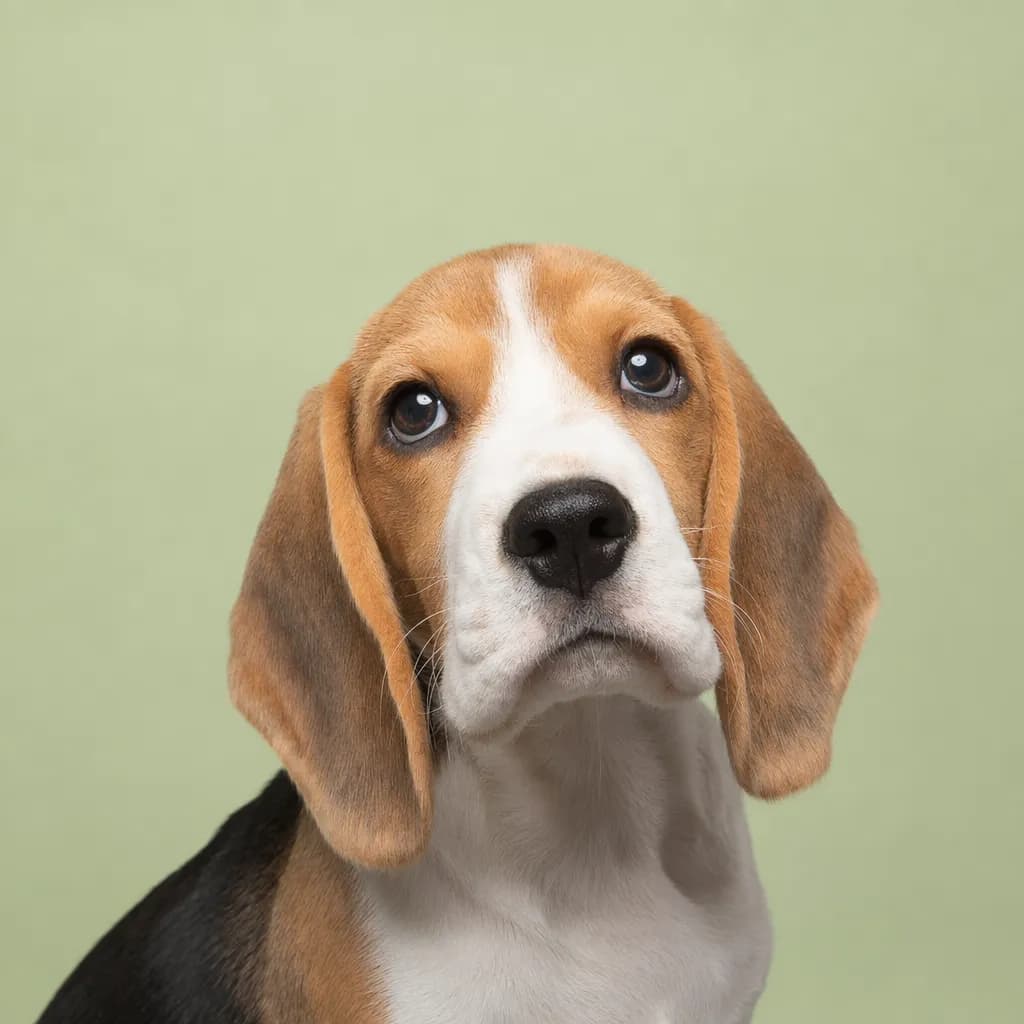
People compare the Australian Stumpy Tail Cattle Dog and the Beagle because both are mid-sized, energetic dogs with short coats and a reputation for being good with kids. But that’s where the similarities end. Think of it this way: the Stumpy is a laser-focused workaholic built for 12-hour days moving cattle across the outback; the Beagle is a joyful group traveler who’ll follow a scent through your neighbor’s backyard without a second thought. The Stumpy packs intense energy and focus. You’ll need to give it a job, long runs, or advanced training. or you’ll get chewed-up furniture and a frustrated dog. It’s not big on barking, but it is intensely alert and bonds tightly with its people, though it won’t smother you with affection. It’s not the best pick for new owners. You need to lead; it won’t guess. Deafness and eye issues are real concerns, so reputable breeders do serious health testing. The Beagle, on the other hand, is a social butterfly. It’s louder. those bays carry. If you live in a townhouse, you’ll hear from the neighbors. But it adapts better to suburban life and plays well with kids and other pets. Its nose runs the show. Off-leash? Only in fenced areas. One whiff of rabbit and it’s gone. Here’s the real insight: the Stumpy doesn’t just need activity. it needs purpose. A Beagle can be happy with a daily walk and a sniff-filled backyard. But the Stumpy needs to do something meaningful, every day. Choose the Beagle if you want a friendly, manageable family pet. Choose the Stumpy only if you’re ready for a driven partner who happens to have four legs.
Trait-by-trait
Higher bar = more of that trait. Shedding, barking, drooling, grooming flipped for readability.Where they diverge
Choose the Australian Stumpy Tail Cattle Dog if…
- working farms
- active rural owners
- experienced herding dog handlers
- You value coat grooming — Australian Stumpy Tail Cattle Dog scores noticeably higher.
Choose the Beagle if…
- Families
- First-time owners
- Suburban homes
- You value good with other dogs — Beagle scores higher here.