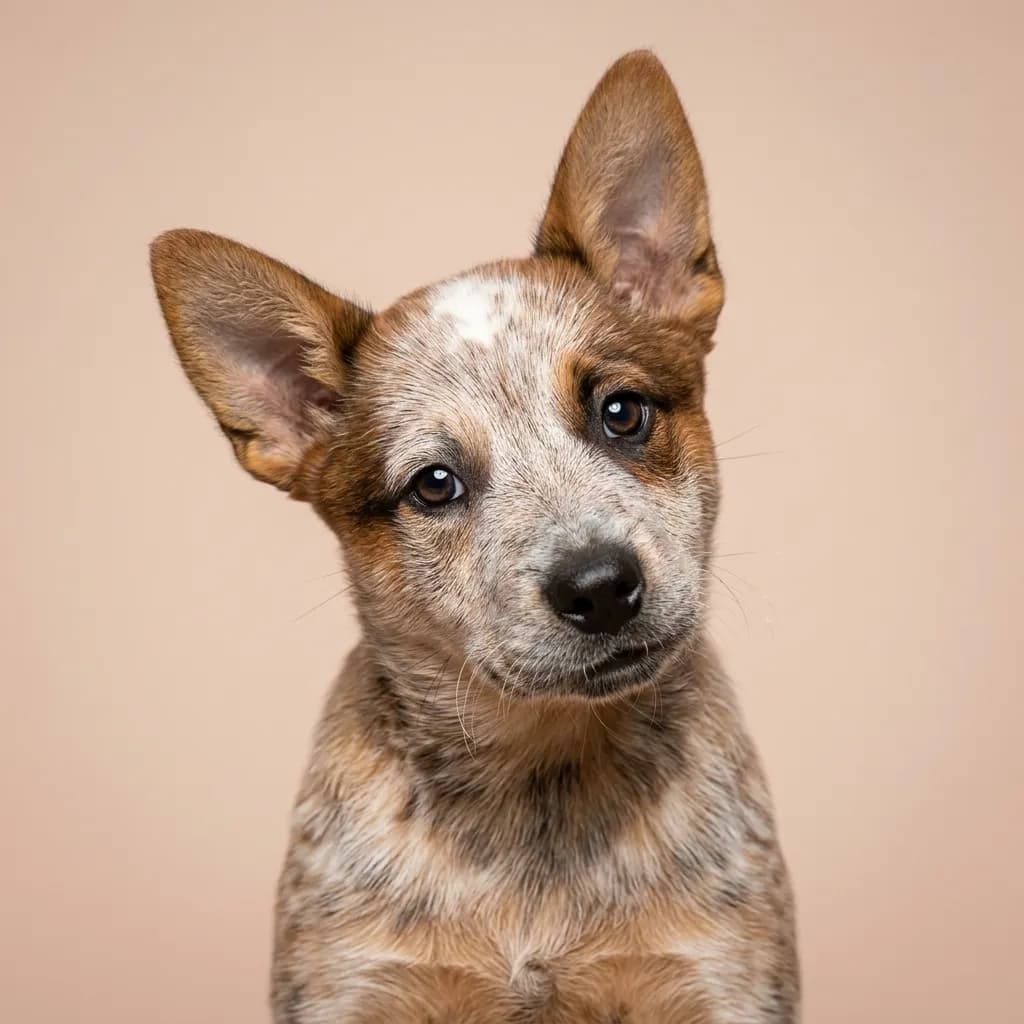
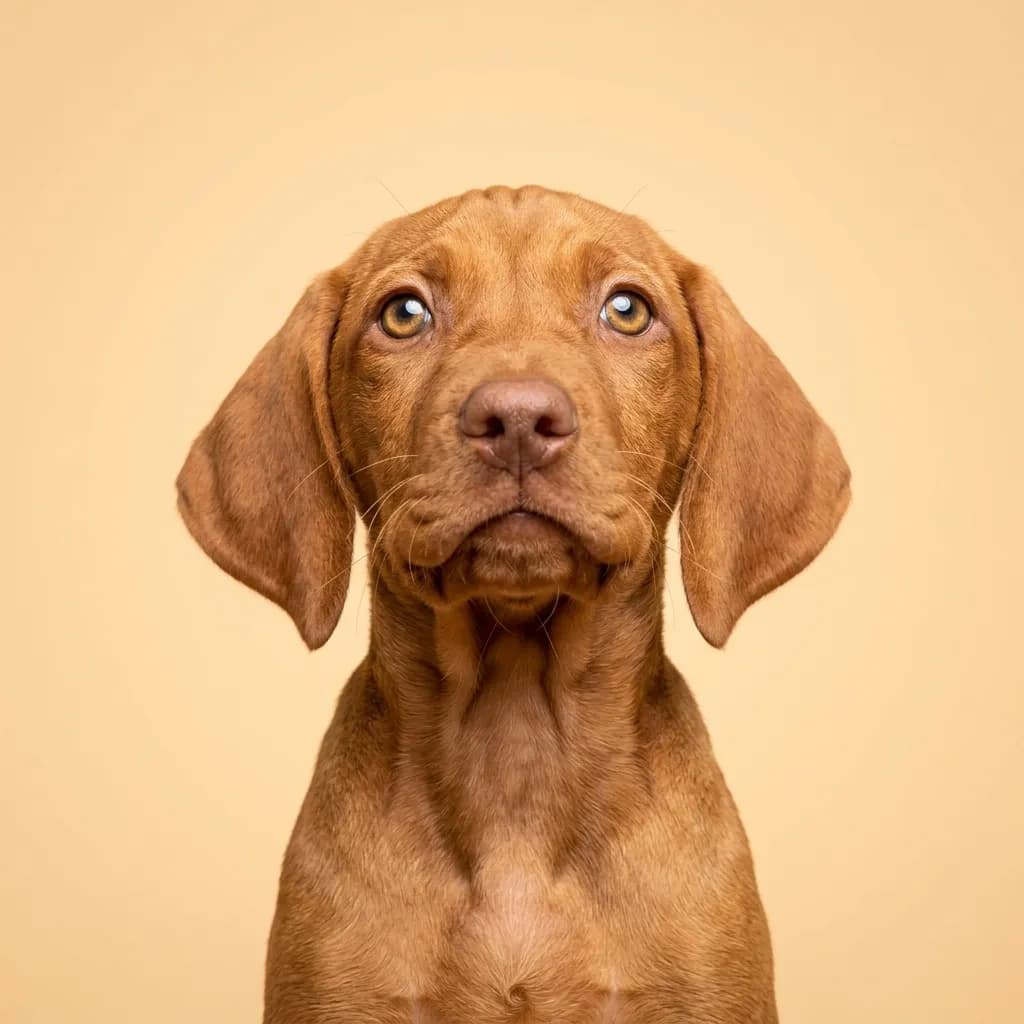
Australian Stumpy Tail Cattle Dog vs Vizsla
Side-by-side comparison across all 14 AKC trait ratings, with a clear verdict on which breed fits which kind of household.
Not sure which breed fits your life?
Answer five questions about your home, your schedule, and your tolerance for shedding. We’ll match you to your top three breeds from over 200.
Australian Stumpy Tail Cattle Dog vs Vizsla
People compare the Australian Stumpy Tail Cattle Dog and the Vizsla because they’re both lean, high-energy, short-coated breeds that thrive on activity and look great sprinting through open fields. But that’s where the similarities end. If the Vizsla is your enthusiastic, velcro-coated running buddy who wants to cuddle after every mile, the Stumpy is the intense farmhand who’ll herd your kids into a tight group if they wander too far. The Vizsla wins on affection and adaptability. These dogs bond fiercely to their people, do well in suburban homes with enough exercise, and are great with older kids. They’re highly trainable and eager to please, making them ideal for hunters or active families who want a dog that’s both soft at home and driven in the field. But leave them alone too long and they’ll spiral into anxiety. this isn’t a dog for 9-to-5 office workers. The Stumpy, on the other hand, was built for wide-open spaces and serious work. They’re alert, comically stubborn at times, and incredibly smart, but they don’t default to people-pleasing. You’ll need experience with herding breeds to channel their intensity. They’re less vocal than Vizslas but far less adaptable. Apartment life? Forget it. First-time owner? Not ideal. Here’s the real difference beyond the stats: the Vizsla wants to be your emotional partner. The Stumpy wants a job that matters. If you need a dog that’s always with you, emotionally and physically, go Vizsla. If you’re on a farm or ready to commit to advanced dog sports with a sharp, independent thinker, the Stumpy might just be your perfect, tailless companion.
Trait-by-trait
Higher bar = more of that trait. Shedding, barking, drooling, grooming flipped for readability.Where they diverge
Choose the Australian Stumpy Tail Cattle Dog if…
- working farms
- active rural owners
- experienced herding dog handlers
- You value coat grooming — Australian Stumpy Tail Cattle Dog scores noticeably higher.
Choose the Vizsla if…
- Active families
- Runners and cyclists
- Hunters
- You value good with other dogs — Vizsla scores higher here.