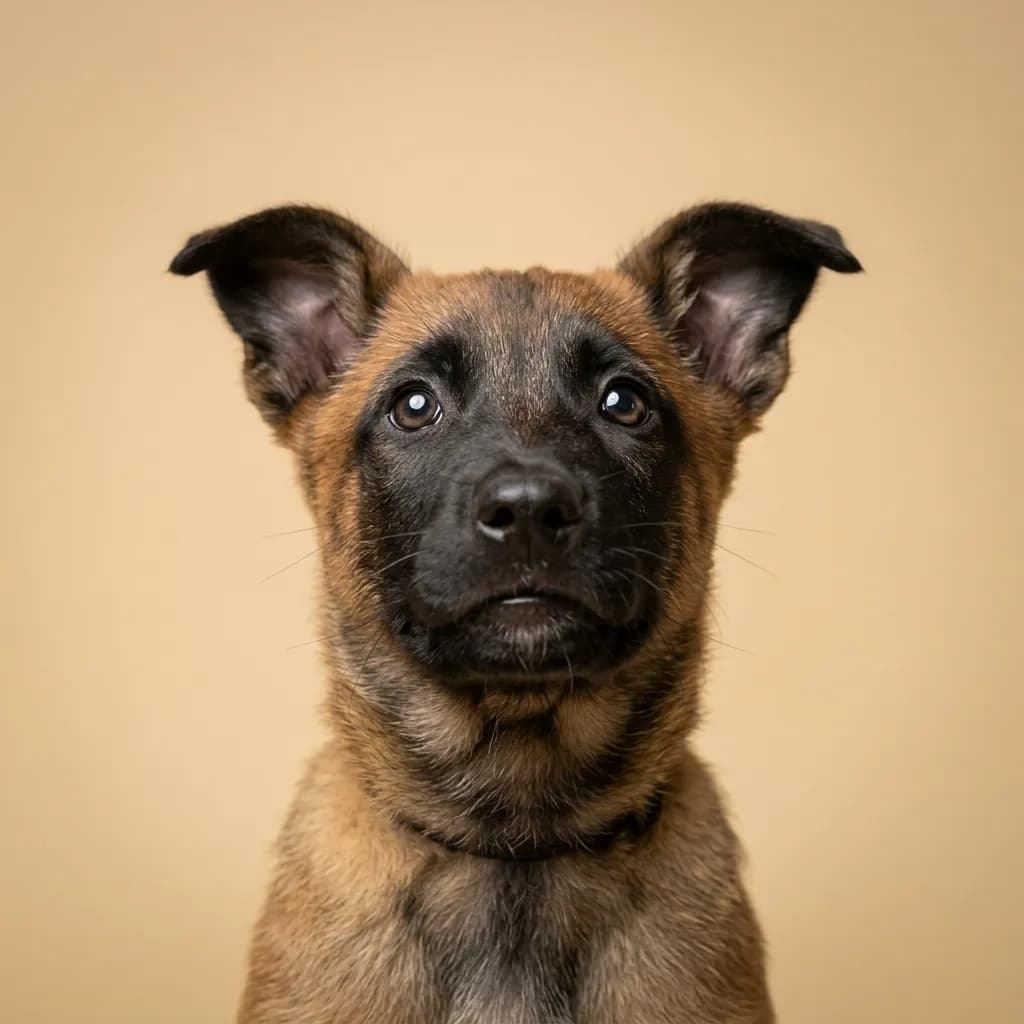
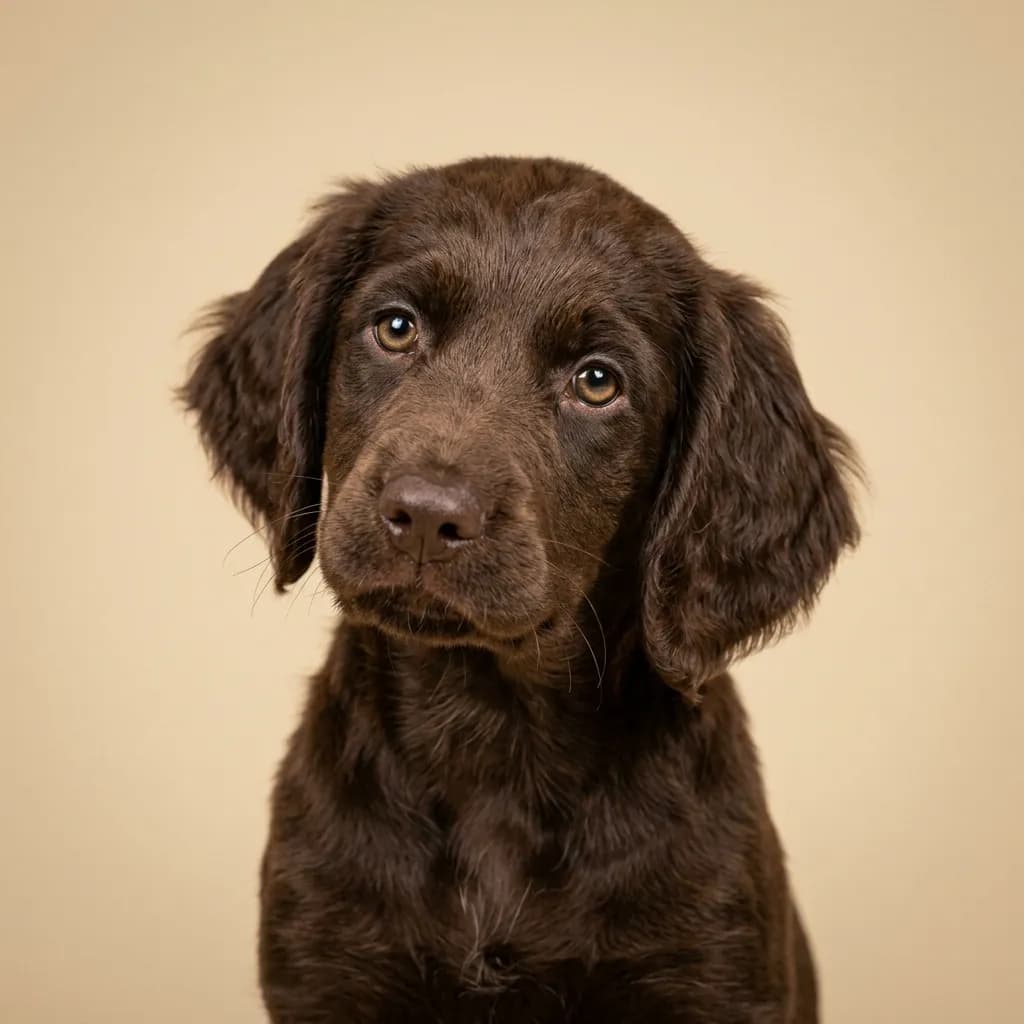
Belgian Malinois vs Deutscher Wachtelhund
Side-by-side comparison across all 14 AKC trait ratings, with a clear verdict on which breed fits which kind of household.
Not sure which breed fits your life?
Answer five questions about your home, your schedule, and your tolerance for shedding. We’ll match you to your top three breeds from over 200.
Belgian Malinois vs Deutscher Wachtelhund
You don’t see Belgian Malinois and Deutscher Wachtelhunds side by side at dog parks. these breeds run in totally different circles, but people compare them when they’re hunting for a driven, intelligent dog that can keep up with an active lifestyle. Both are athletic, trainable, and loyal, but that’s where the similarities end. Think of it this way: the Malinois is a precision athlete built for speed, control, and high-stakes work. The Wachtelhund is the rugged outdoor companion who’d rather be tracking pheasant through wet brush than performing obedience drills. If you’re drawn to the Malinois, you’re signing up for a dog that lives at 90 mph. These dogs thrive in police work, military roles, and dog sports because they’re relentless. But that intensity means they’re not for beginners. You’ll need time, space, and a plan for both physical and mental exhaustion. every single day. Kids? Possible, but only if the dog is expertly trained and supervised. A backyard in suburbia won’t cut it. The Wachtelhund, on the other hand, is more balanced. Yes, it’s energetic and needs real outdoor access, but it’s also affectionate, patient with kids, and quieter in temperament. It bonds deeply with its family and does best with a hunter or hiker who can tap into its natural instincts. It’s not as flashy in obedience, but it’s steady, adaptable in the field, and far more likely to curl up beside you after a long day. Here’s the real talk: the Malinois wants a job and a leader. The Wachtelhund wants a partner and adventure. Pick based on your life. not your ego.
Trait-by-trait
Higher bar = more of that trait. Shedding, barking, drooling, grooming flipped for readability.Where they diverge
Choose the Belgian Malinois if…
- Experienced owners
- Active people
- Working roles (police/military)
- You value shedding level — Belgian Malinois scores noticeably higher.
Choose the Deutscher Wachtelhund if…
- Hunters
- Active individuals
- Rural environments
- You value good with young children — Deutscher Wachtelhund scores higher here.