Belgian Malinois vs Harrier
Side-by-side comparison across all 14 AKC trait ratings, with a clear verdict on which breed fits which kind of household.
Not sure which breed fits your life?
Answer five questions about your home, your schedule, and your tolerance for shedding. We’ll match you to your top three breeds from over 200.
Belgian Malinois vs Harrier
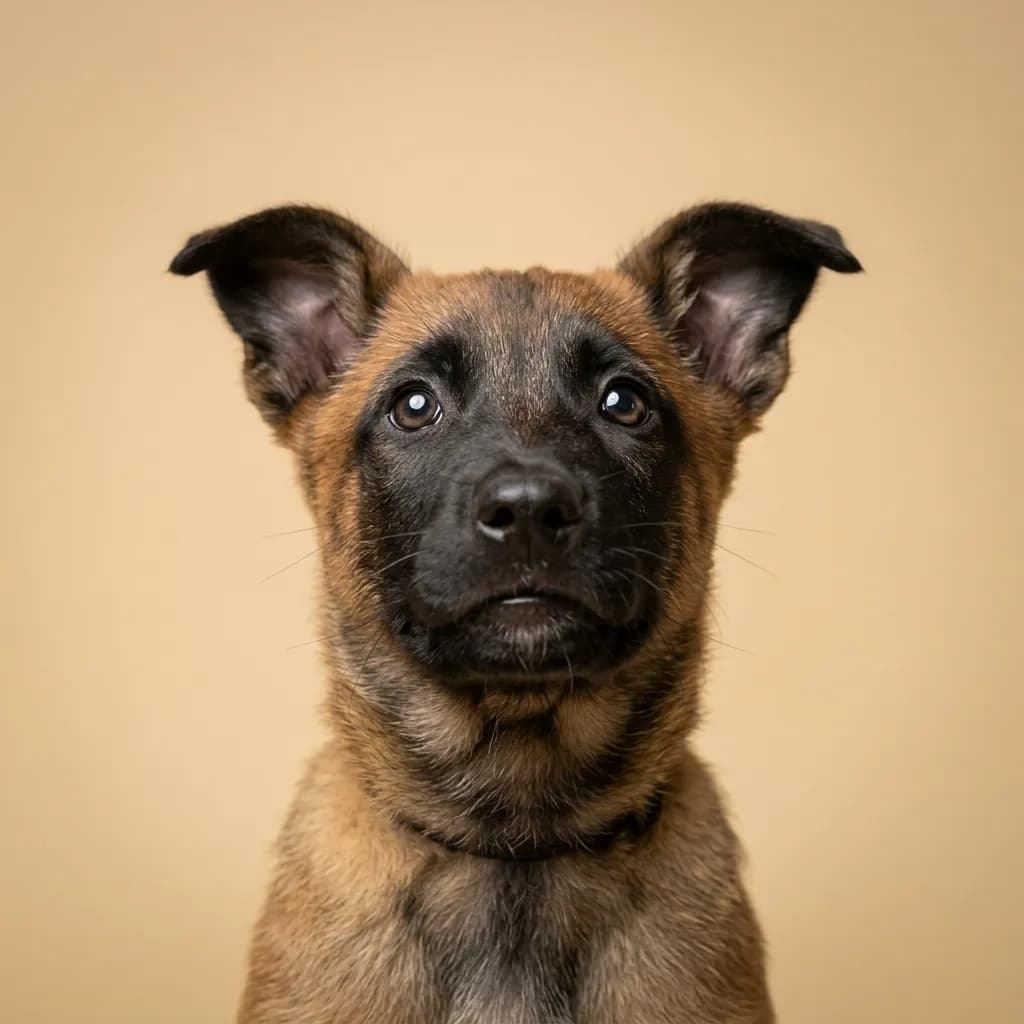
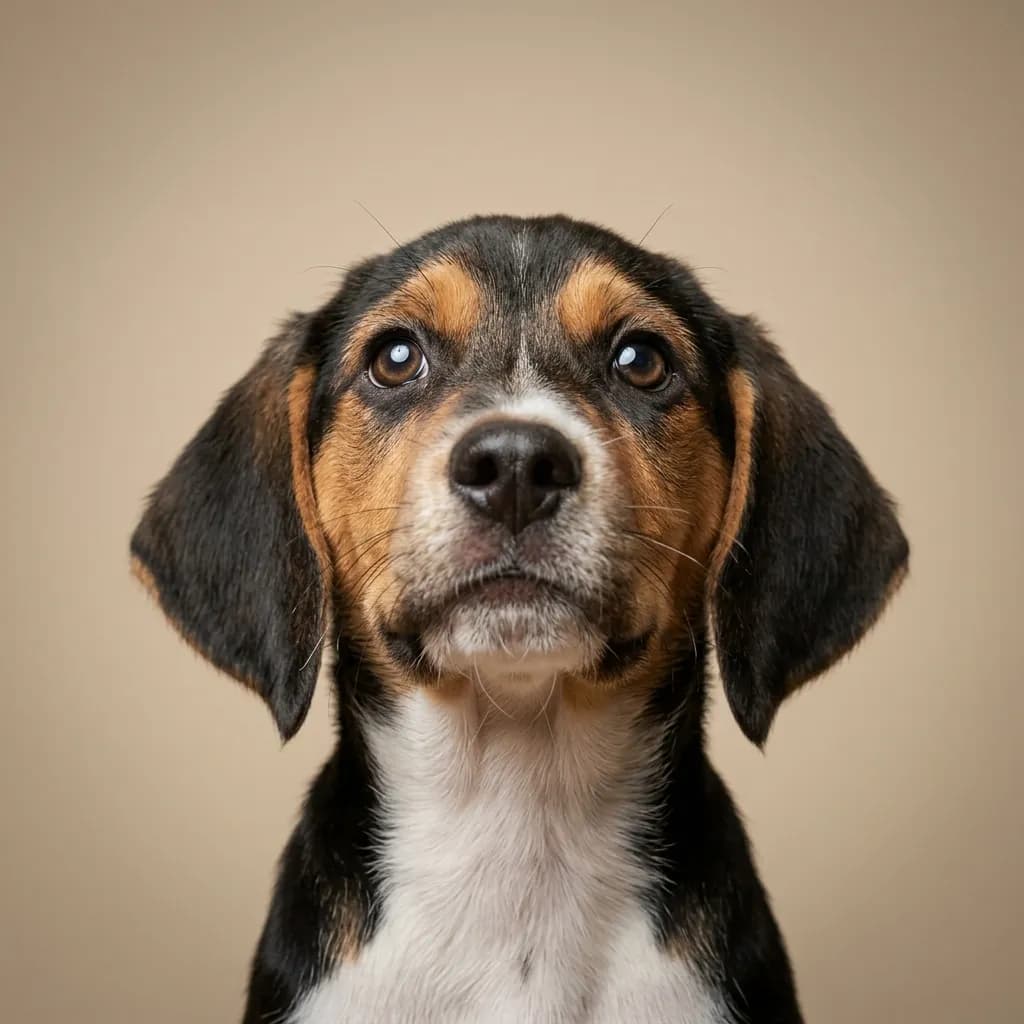
You don’t see Belgian Malinois and Harriers side by side at dog parks often, but people compare them when they’re chasing a specific kind of energy. dogs that are athletic, driven, and need real jobs. Both are medium to large, high-energy breeds that won’t nap their way through your afternoons. But that’s where the similarities end. The Malinois is a precision tool. Imagine a Belgian farm dog bred to work under pressure, now thriving in police K9 units and IPO rings. They’re laser-focused, intensely loyal, and demand a handler, not just an owner. If you’re looking for a partner who’ll learn bite work, agility, or just out-hike you every weekend, the Malinois will rise to the challenge. But they’re not cuddly roommates. They’re watchful, reserved with strangers, and can be too intense for young kids if not expertly socialized. They’ll thrive with someone who speaks “dog” fluently and has the time to match their mental and physical needs. The Harrier, on the other hand, is the cheerful pack member. Bred to run all day across open fields with a group of dogs and hunters, they’re sociable, loud, and deeply motivated by scent. They’ll bark. often and enthusiastically. and they’ll follow a rabbit trail right off a cliff if given the chance. But they’re also the breed that curls up with every kid in the house, gets along with other dogs, and adapts reasonably well to rural or suburban life as long as they get miles of sniffing and exercise. Here’s the real difference: a Malinois will change your life to fit its needs. A Harrier just wants to join yours. and bring the whole neighborhood along. If you want a mission, pick the Malinois. If you want a merry, baying companion for family adventures, go Harrier.
Trait-by-trait
Higher bar = more of that trait. Shedding, barking, drooling, grooming flipped for readability.Where they diverge
Choose the Belgian Malinois if…
- Experienced owners
- Active people
- Working roles (police/military)
- You value coat grooming — Belgian Malinois scores noticeably higher.
Choose the Harrier if…
- Active families
- Hunters
- Rural living
- You value affectionate w/ family — Harrier scores higher here.