Black and Tan Coonhound vs Mudi
Side-by-side comparison across all 14 AKC trait ratings, with a clear verdict on which breed fits which kind of household.
Not sure which breed fits your life?
Answer five questions about your home, your schedule, and your tolerance for shedding. We’ll match you to your top three breeds from over 200.
Black and Tan Coonhound vs Mudi
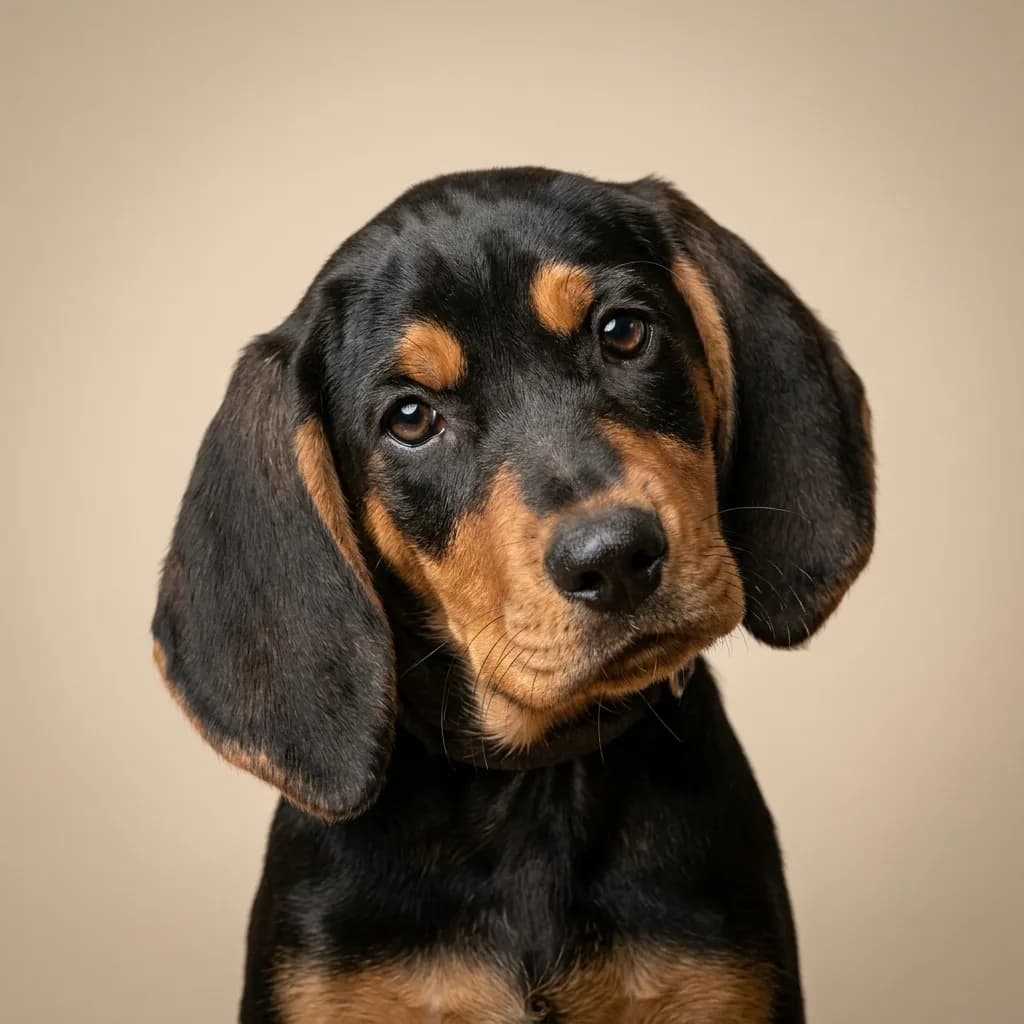
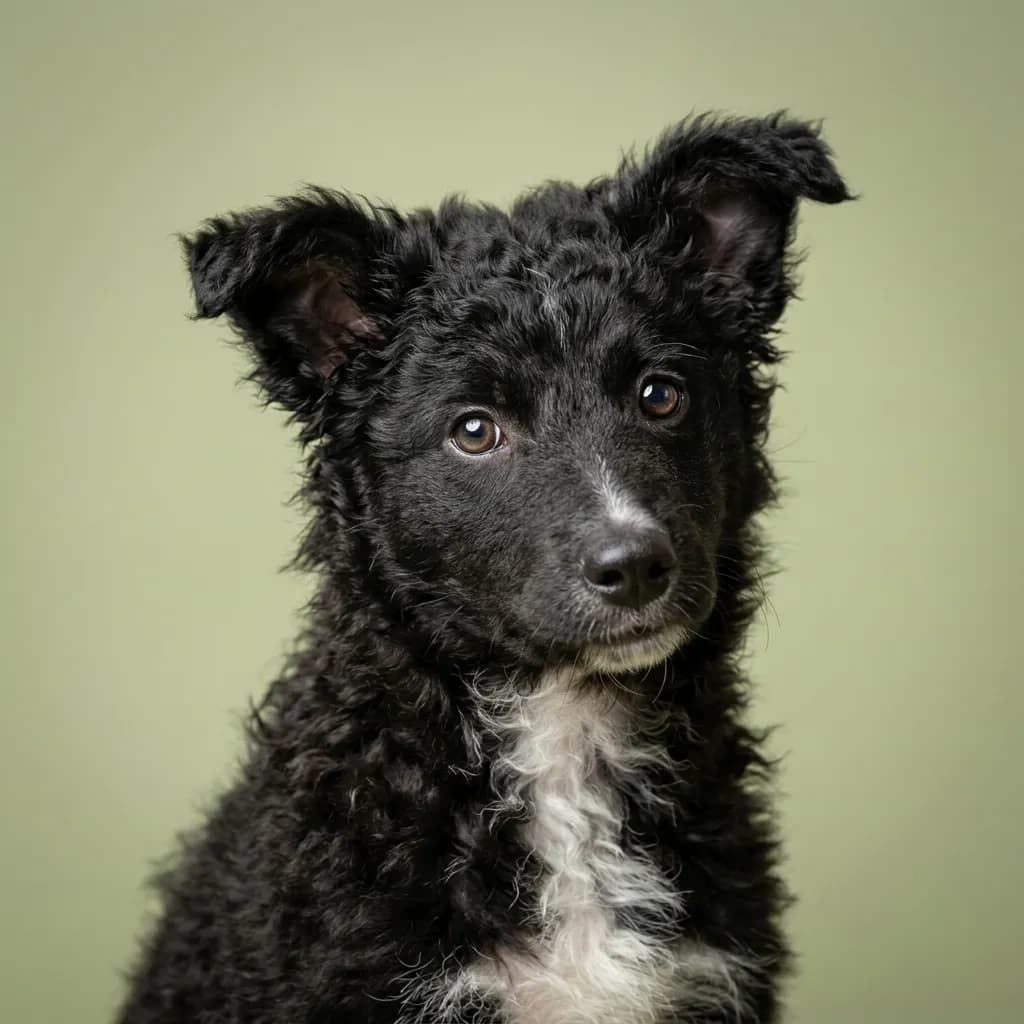
You don’t see people comparing a Black and Tan Coonhound to a Mudi every day, but when they do, it’s usually someone drawn to both their striking looks and rural roots. Maybe they want a working dog with heart, but can’t decide between a big, soulful hound and a compact, intense herder. Here’s the real story. The Coonhound is the easygoing giant of the woods. At 110 pounds, he’s built for long nights tracking raccoons through the backwoods, with a baying voice that carries for miles. He’s sweet with kids, loves other dogs, and settles into a rural home like he was born for it. But he’s not quiet, not easily distracted, and he won’t fit in a city apartment. his nose will pull him off leash in a heartbeat. He’s loyal in a laid-back way, more companion than project. The Mudi is the opposite kind of energy. At under 30 pounds, this Hungarian herding dog is a live wire. constantly alert, eager to learn, and happiest when working or training. He bonds tightly with his person and thrives in dog sports. He’s smart enough to outthink you, so if you’re not experienced with herding breeds, he’ll run the house. He’s less of a barker by default but will speak when needed, and he sheds less, which helps. The real difference? The Coonhound fits into a lifestyle; the Mudi demands one. If you want a steady, affectionate dog for country living and don’t mind the occasional midnight howl, go Coonhound. If you’re active, experienced, and want a dog that’s always three steps ahead mentally, the Mudi’s your match. Here’s what the data won’t tell you: the Mudi needs a job, not just a walk. Without one, he’ll invent problems. The Coonhound just wants to be with you, even if you’re doing nothing at all.
Trait-by-trait
Higher bar = more of that trait. Shedding, barking, drooling, grooming flipped for readability.Where they diverge
Choose the Black and Tan Coonhound if…
- Active people
- Hunters
- Rural homes
- You value good with young children — Black and Tan Coonhound scores noticeably higher.
Choose the Mudi if…
- Active families
- Experienced herding breed owners
- Dog sport enthusiasts
- You value playfulness — Mudi scores higher here.