Bouvier des Flandres vs Harrier
Side-by-side comparison across all 14 AKC trait ratings, with a clear verdict on which breed fits which kind of household.
Not sure which breed fits your life?
Answer five questions about your home, your schedule, and your tolerance for shedding. We’ll match you to your top three breeds from over 200.
Bouvier des Flandres vs Harrier
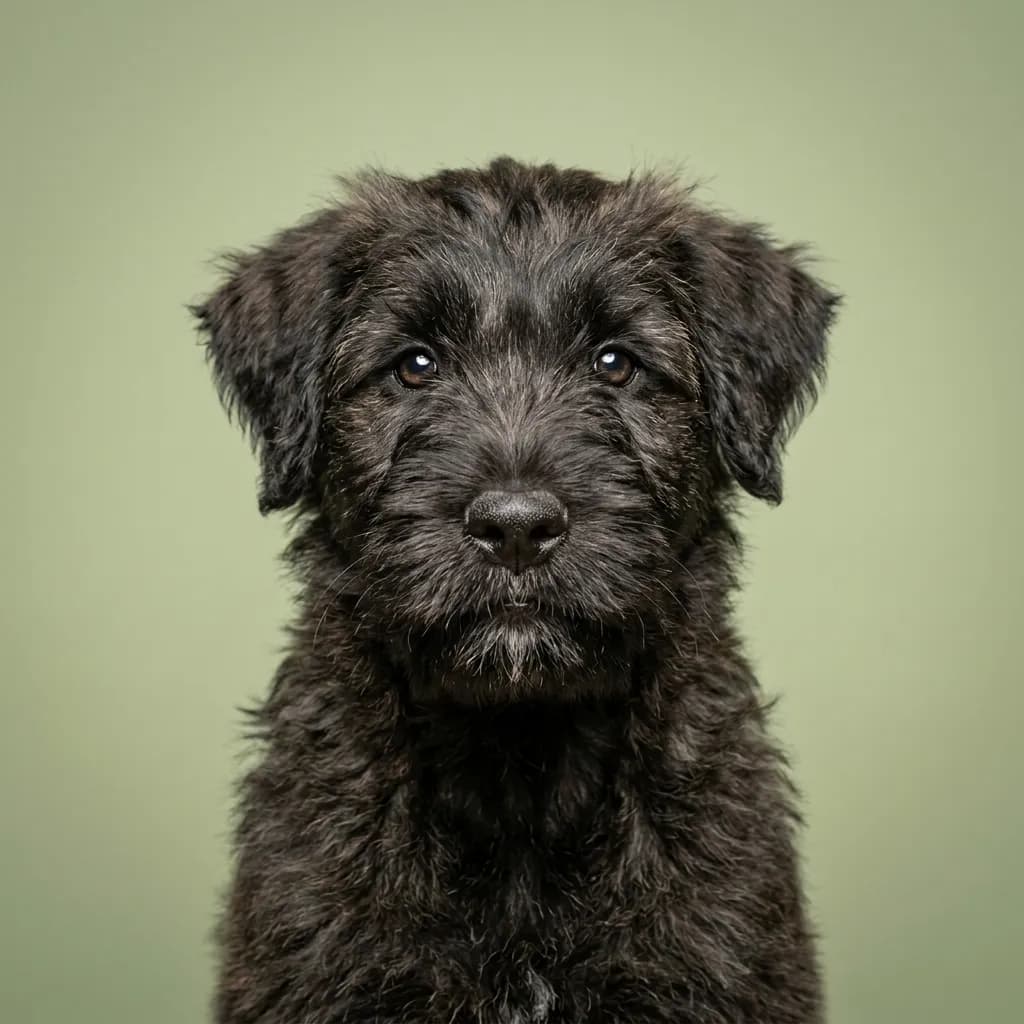
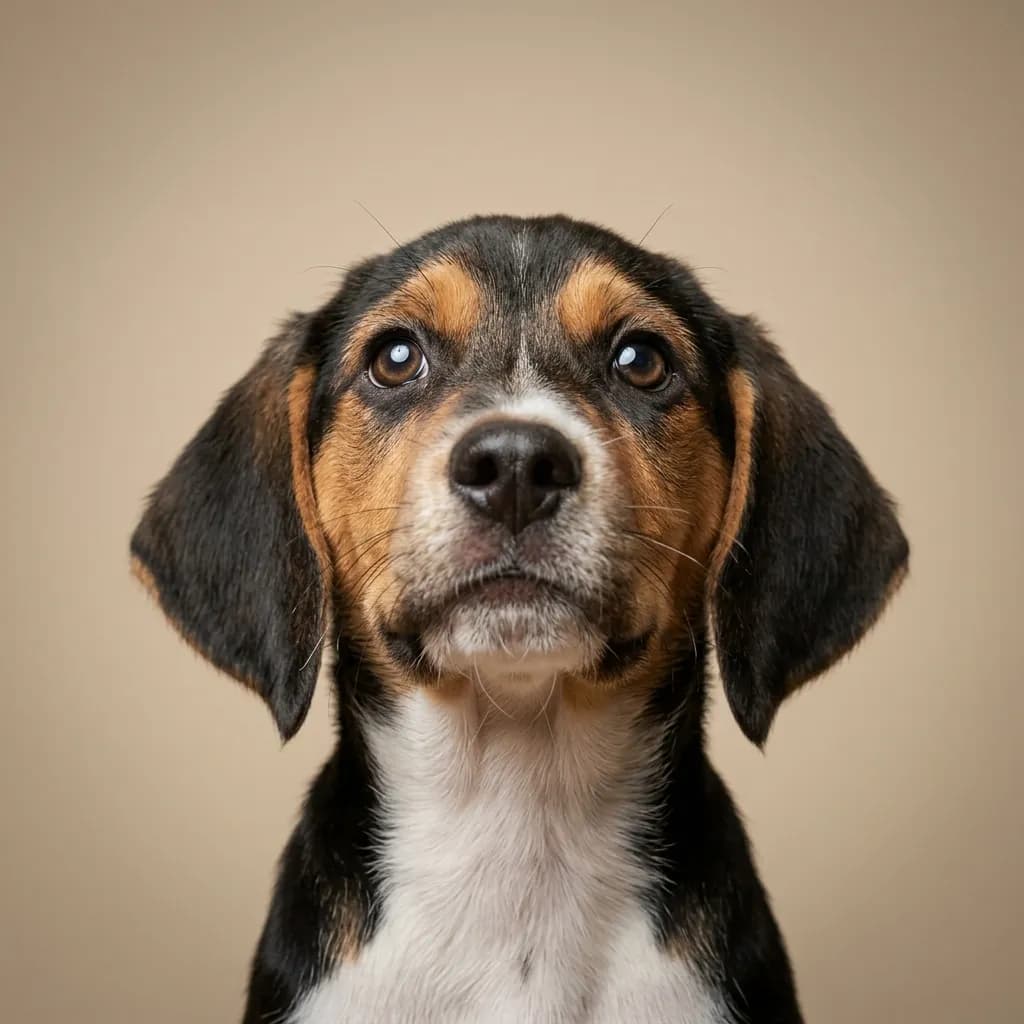
You don’t see Bouviers and Harriers side by side at dog parks often, but people compare them when they’re after a rare, active breed that’s not a Border Collie or Labrador. Both are energetic, need space, and thrive with purpose. But that’s where the similarities end. The Bouvier is the rugged farmhand of the pair. tough, bearded, and built like a boxer who skipped leg day. At 70 to 110 pounds, this Belgian herder pulls carts and herds cattle not because it’s cute but because it was bred to move stubborn livestock all day. It’s fiercely loyal, strong-willed, and needs an owner who speaks dog fluently. You’ll need time for training, grooming, and mental challenges. Kids? They’re tolerated, not adored. This isn’t a cuddle puddle on demand. It’s more like a stoic bodyguard who occasionally leans on you. The Harrier, meanwhile, is the social butterfly of the hunting world. Smaller, lighter, and built for endurance, this UK pack hound lives to follow a scent with friends. It’s friendly, outgoing, and genuinely loves people. including kids. If your ideal dog greets everyone like a long-lost cousin, this is your breed. But don’t expect off-leash reliability. That nose? It runs the show. You’ll need a fenced yard and patience for barking. lots of it. Choose the Bouvier if you want a powerful, protective partner for dog sports or farm life and have experience reading between the growls. Pick the Harrier if you’re in a lively household, love outdoor adventures, and don’t mind a dog that’s more pack member than solo act. Here’s the real talk: the Bouvier won’t forgive weak leadership. The Harrier won’t forgive boredom. One demands respect. The other demands inclusion. Know which you’re ready to give.
Trait-by-trait
Higher bar = more of that trait. Shedding, barking, drooling, grooming flipped for readability.Where they diverge
Choose the Bouvier des Flandres if…
- Experienced owners
- Active people
- Working roles
- You value coat grooming — Bouvier des Flandres scores noticeably higher.
Choose the Harrier if…
- Active families
- Hunters
- Rural living
- You value affectionate w/ family — Harrier scores higher here.