Bouvier des Flandres vs Toy Poodle
Side-by-side comparison across all 14 AKC trait ratings, with a clear verdict on which breed fits which kind of household.

Not sure which breed fits your life?
Answer five questions about your home, your schedule, and your tolerance for shedding. We’ll match you to your top three breeds from over 200.
Bouvier des Flandres vs Toy Poodle
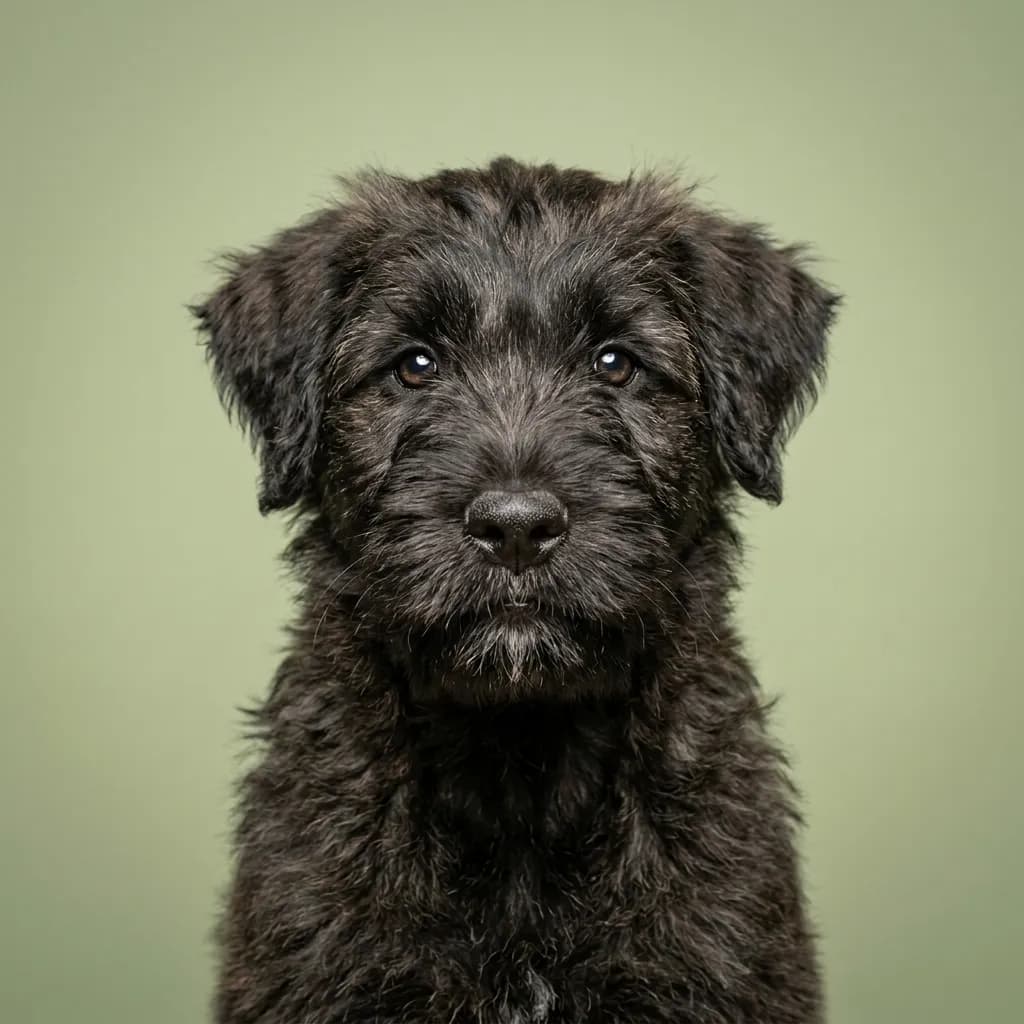
People compare Bouviers and Toy Poodles because both are intelligent, trainable dogs with distinctive looks and loyal hearts but that’s where the similarities end. You’re not just choosing between big and small here. You’re picking two entirely different lifestyles. The Bouvier des Flandres is a working farm dog from Belgium, built like a linebacker with a beard full of stories. At 70 to 110 pounds, it’s not just big. it’s present. It thrives on tasks, needs space to move, and wants a job, whether that’s agility training or just patrolling your property. It’s affectionate but on its own terms, strong-willed but deeply loyal. This isn’t a dog for someone testing the waters. If you’re inactive or live in a studio apartment, you’ll struggle. The Toy Poodle, by contrast, is a compact dynamo. Weighing just 4 to 6 pounds, it lives large in small spaces. Bred for companionship and circus tricks, it’s alert, charming, and easy to adore. It’s the better pick for first-time owners, seniors, or city dwellers. Plus, it sheds next to nothing. great for allergy sufferers. But don’t be fooled by the size. It’s got energy and brains to spare, and if you don’t engage it mentally, you’ll pay in nuisance barking. Here’s the real talk: the Bouvier will mold itself to your life only if your life involves movement, consistency, and outdoor time. The Toy Poodle will adapt to almost anything. but it needs your attention like oxygen. Pick the Bouvier if you want a steadfast partner in adventure. Pick the Toy Poodle if you want a sharp, affectionate shadow who fits in a tote bag. One is a co-pilot. The other is a co-host. Choose based on who you are when the world isn’t watching.
Trait-by-trait
Higher bar = more of that trait. Shedding, barking, drooling, grooming flipped for readability.Where they diverge
Choose the Bouvier des Flandres if…
- Experienced owners
- Active people
- Working roles
- You value shedding level — Bouvier des Flandres scores noticeably higher.
Choose the Toy Poodle if…
- Apartment living
- Allergy sufferers
- Seniors
- You value affectionate w/ family — Toy Poodle scores higher here.