Bouvier des Flandres vs Tosa
Side-by-side comparison across all 14 AKC trait ratings, with a clear verdict on which breed fits which kind of household.
Not sure which breed fits your life?
Answer five questions about your home, your schedule, and your tolerance for shedding. We’ll match you to your top three breeds from over 200.
Bouvier des Flandres vs Tosa
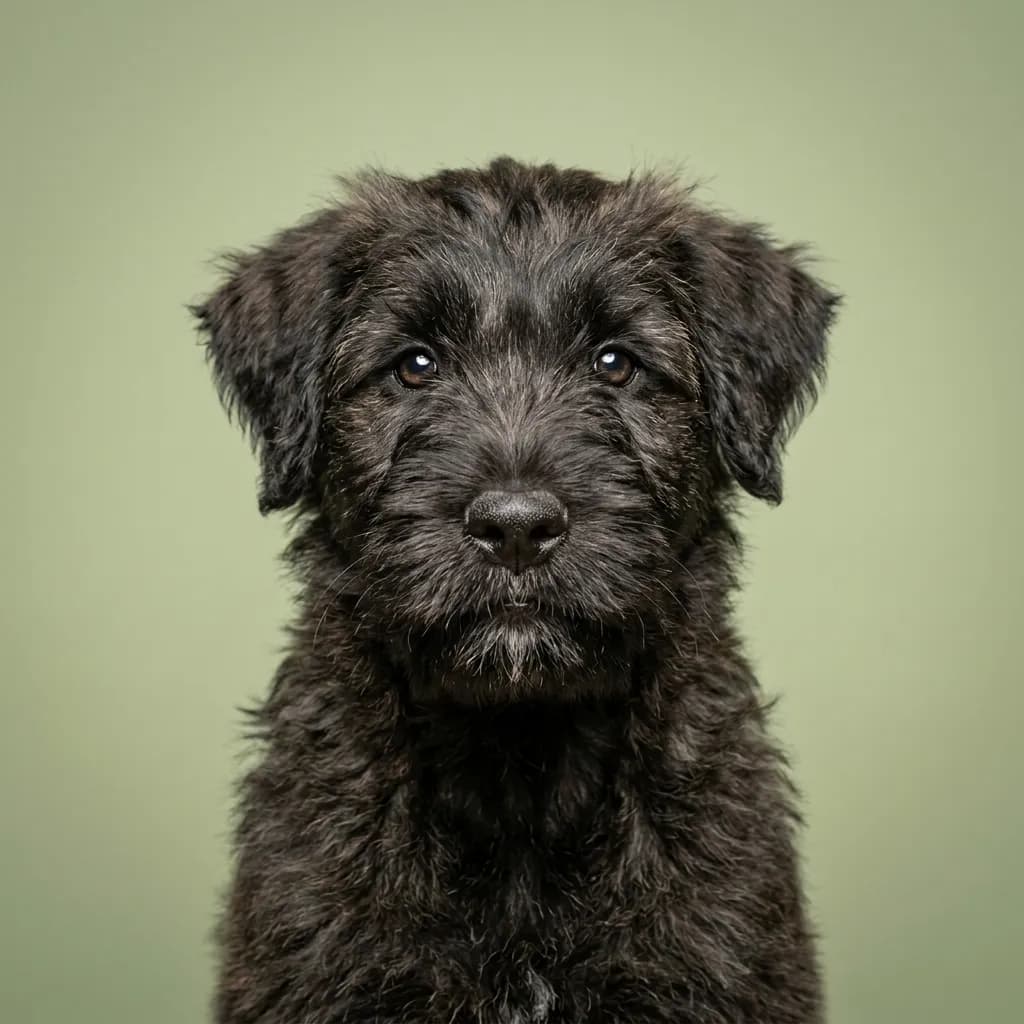
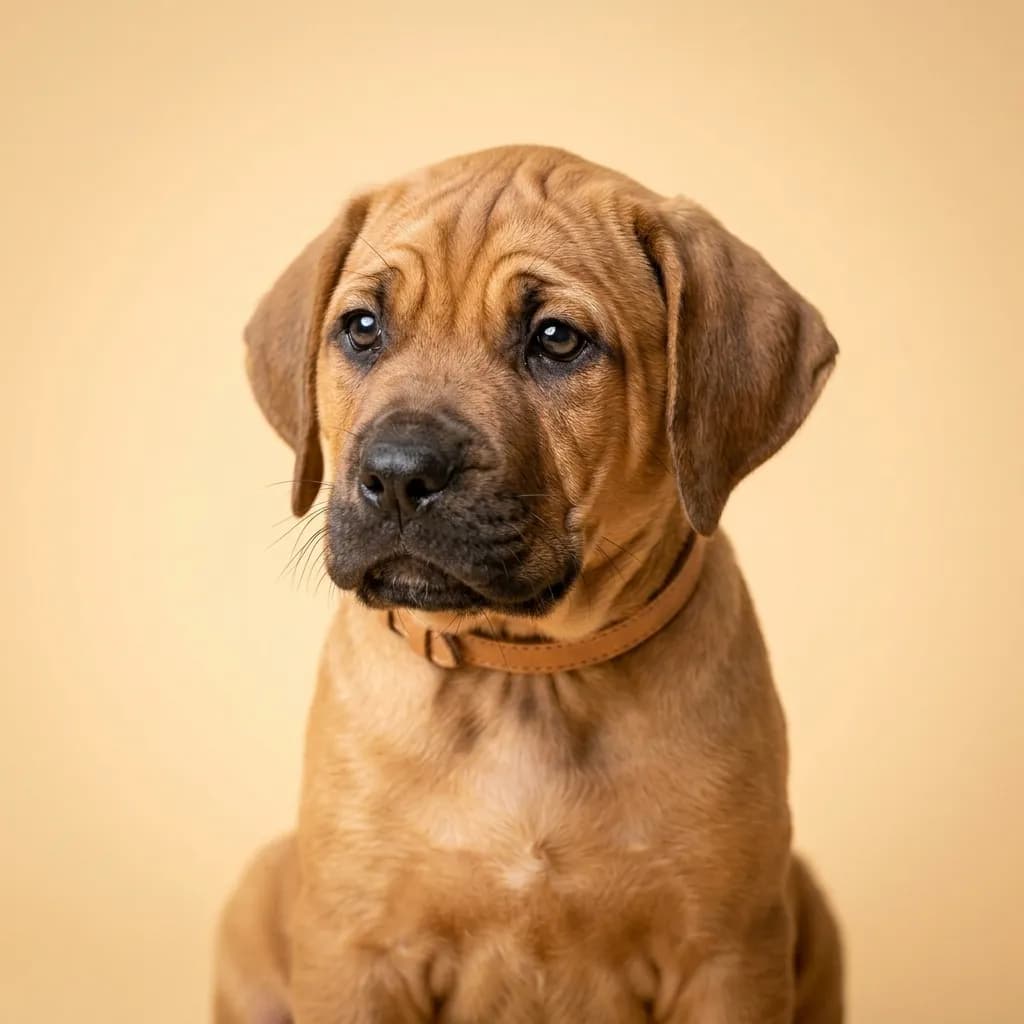
You don’t see Bouviers and Tosas side by side at dog parks. because neither is likely at your average dog park. People compare them not because they’re similar, but because they’re both rare, massive, and demand respect. They’re the kind of dogs only serious dog people even know exist, let alone consider owning. Here’s the truth: the Bouvier is a rugged, bearded farmhand built for all-day work. He’s driven, intelligent, and eager to please. If you’re into herding trials or just want a fiercely loyal partner who thrives on tasks, he’s your guy. He’s got energy to burn and needs it channeled. Without it, that strong will turns into stubborn mischief. The Tosa? He’s a gentle mountain with a quiet soul. Bred in Japan for dog fighting, today’s Tosa is calm, deeply affectionate, and intensely loyal. He’s not hyper, doesn’t bark much, and often bonds strongest with one person. But he’s not for the faint of heart. his size alone (males can hit 200 pounds) means poor training or weak leadership leads to dangerous situations. He’s not banned in places just for show. The real difference isn’t in weight or origin. it’s in rhythm. The Bouvier wants to do things with you. The Tosa wants to be with you, quietly, like a shadow. Pick the Bouvier if you’re active, experienced, and want a working partner. Pick the Tosa if you’re a seasoned giant-breed owner who values calm presence over playfulness. and have a yard with a fortress-level fence. One thing no breeder will stress enough: both dogs are lifelong commitments in strength and spirit. But the Tosa’s quiet devotion can surprise you. He’s not just a relic of dogfighting lines. He’s a peaceful giant. if you earn his trust.
Trait-by-trait
Higher bar = more of that trait. Shedding, barking, drooling, grooming flipped for readability.Where they diverge
Choose the Bouvier des Flandres if…
- Experienced owners
- Active people
- Working roles
- You value coat grooming — Bouvier des Flandres scores noticeably higher.
Choose the Tosa if…
- very experienced large-breed owners
- homes with secure property
- owners seeking a calm giant breed companion
- You value affectionate w/ family — Tosa scores higher here.