Boykin Spaniel vs Tosa
Side-by-side comparison across all 14 AKC trait ratings, with a clear verdict on which breed fits which kind of household.

Not sure which breed fits your life?
Answer five questions about your home, your schedule, and your tolerance for shedding. We’ll match you to your top three breeds from over 200.
Boykin Spaniel vs Tosa
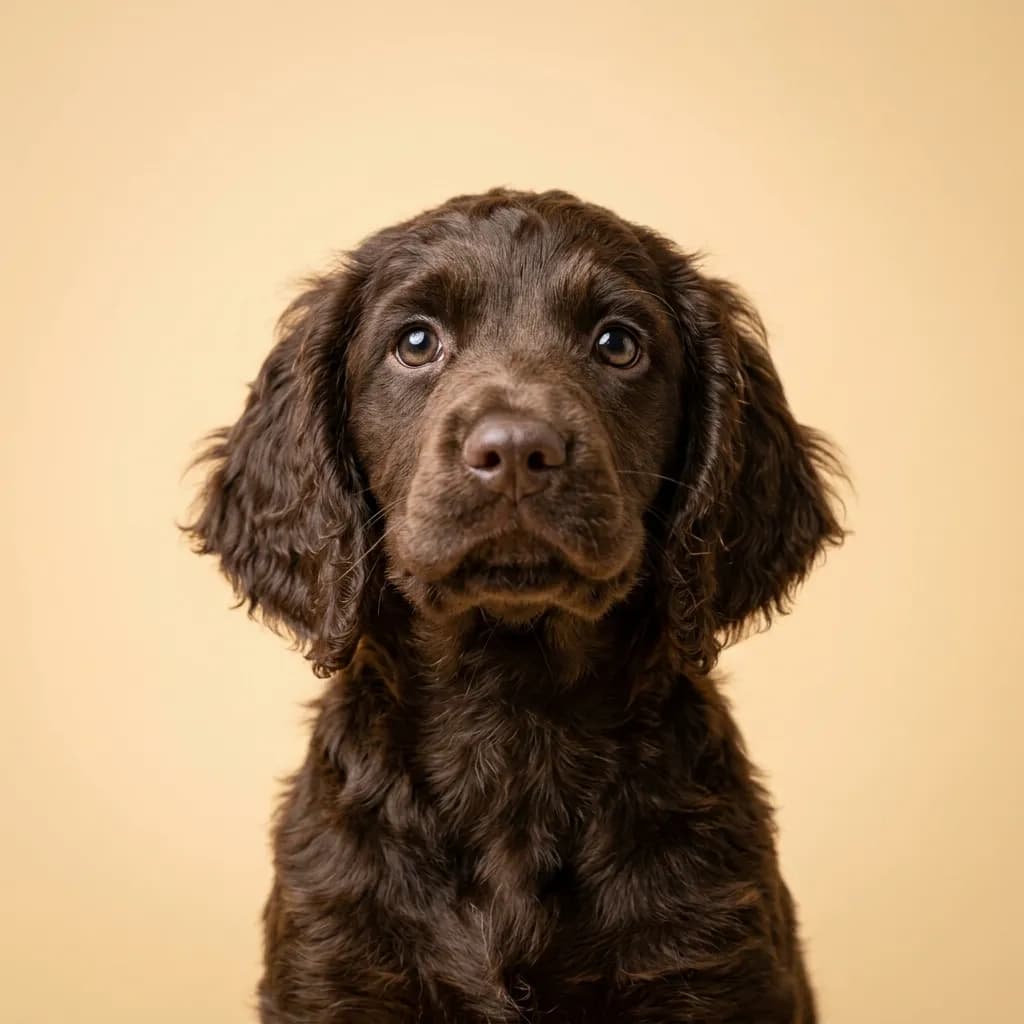
You’d never cross paths with a Boykin Spaniel and a Tosa at the same dog park unless something was very wrong. So why compare them? Because both are rare, both are powerful in their own ways, and both carry a legacy that shapes who they are today. But that’s where the similarities end. The Boykin Spaniel is the compact, spring-loaded swamp dog bred to flush turkeys and retrieve ducks all day in South Carolina’s wetlands. At 25 to 40 pounds, he’s light on his feet, eager to please, and thrives on activity. He’s the kind of dog who’ll hike with you, play in the yard with your kids, and still curl up on the couch without crowding you. He needs movement. daily, serious exercise. or he’ll get into trouble. But he fits in a suburban home if you’re active. The Tosa is a different kind of force. At 100 to 200 pounds, this Japanese giant was originally bred for dog fighting, and while today’s Tosa is calm and deeply loyal, he’s not a casual choice. He’s not hyper, but his sheer size demands space, strength, and experience. He’s affectionate with his family but reserved with strangers, and he won’t do well in an apartment or with a first-time owner. You don’t own a Tosa. you manage him, train him, respect him. Families wanting an all-around outdoor companion should go for the Boykin. But if you’re an experienced handler with room to spare and you want a quiet, imposing presence who bonds deeply, the Tosa might call to you. Here’s the real talk: the Tosa’s calm demeanor is not a sign of low maintenance. That quietness comes with a need for strong leadership and early socialization. or that patience can tip into protectiveness. Choose the Boykin for joy. Choose the Tosa with purpose.
Trait-by-trait
Higher bar = more of that trait. Shedding, barking, drooling, grooming flipped for readability.Where they diverge
Choose the Boykin Spaniel if…
- Hunters
- Active people
- Families
- You value good with other dogs — Boykin Spaniel scores noticeably higher.
Choose the Tosa if…
- very experienced large-breed owners
- homes with secure property
- owners seeking a calm giant breed companion
- You value drooling level — Tosa scores higher here.