Bracco Italiano vs Braque du Bourbonnais
Side-by-side comparison across all 14 AKC trait ratings, with a clear verdict on which breed fits which kind of household.
Not sure which breed fits your life?
Answer five questions about your home, your schedule, and your tolerance for shedding. We’ll match you to your top three breeds from over 200.
Bracco Italiano vs Braque du Bourbonnais
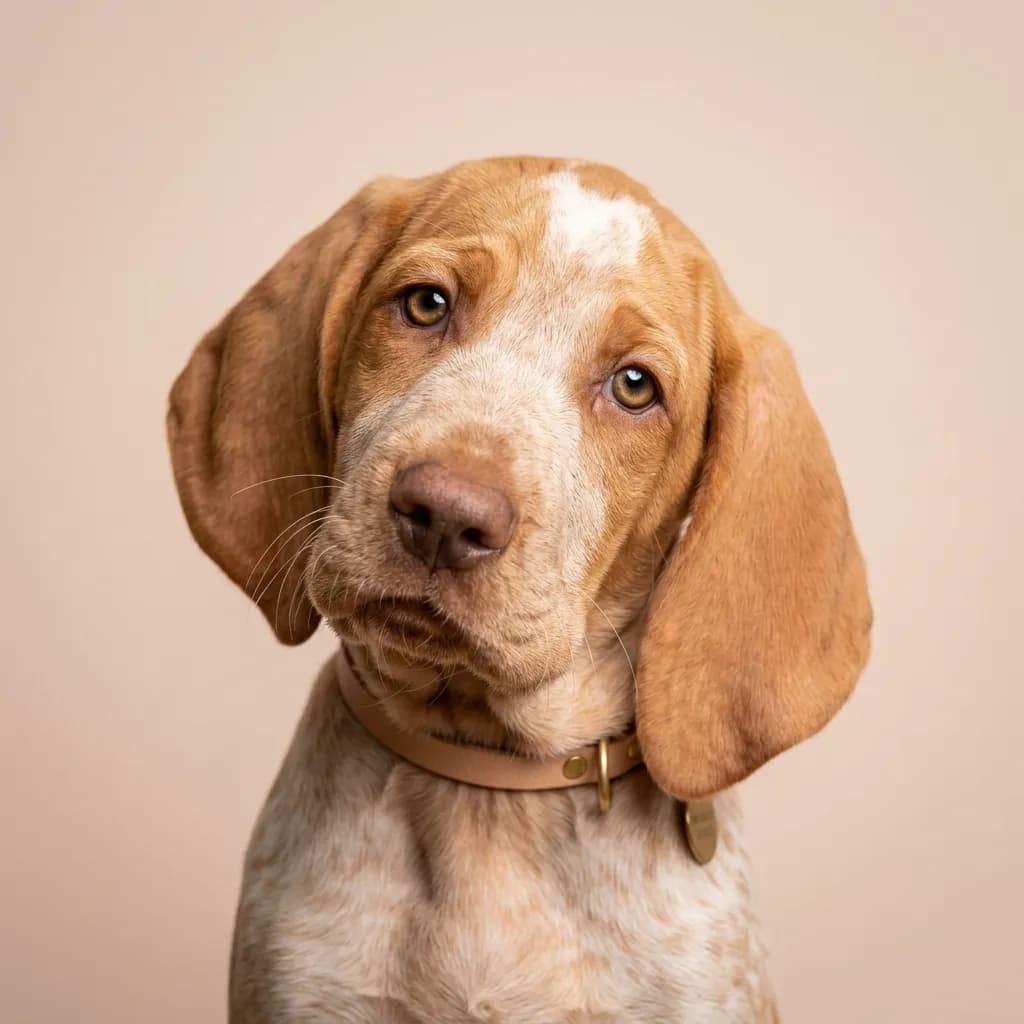
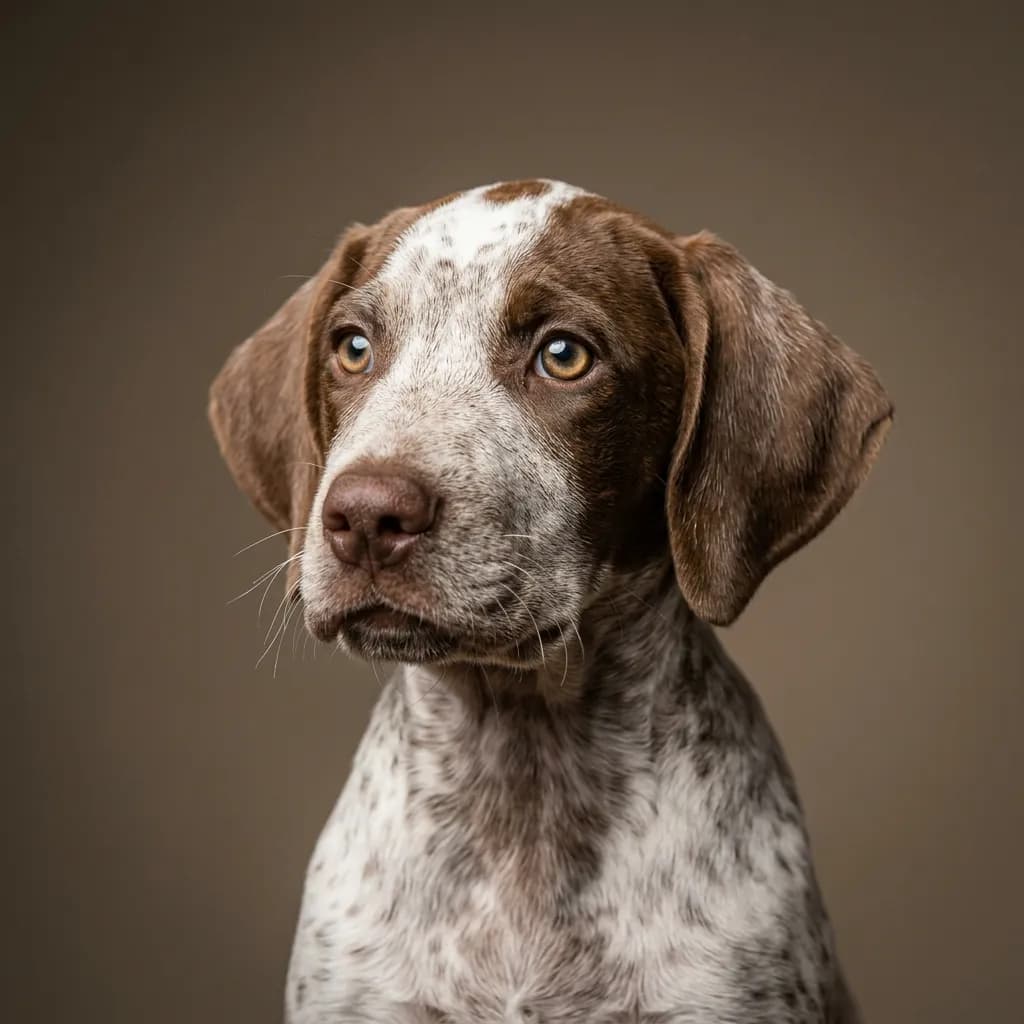
People compare the Bracco Italiano and Braque du Bourbonnais because they’re both rare, pointer-type hunting dogs with soft eyes and floppy ears that look like they stepped out of a 19th-century field manual. They’re built for birds, yes, but what really draws owners in is their calm presence at home. affectionate without being clingy, smart without being manipulative. So why pick one over the other? It comes down to size, substance, and what kind of life you lead. The Bracco is the bigger, more robust dog. some males hit 90 pounds and stand nearly 27 inches at the shoulder. That frame carries endurance and power, ideal for long days in rough terrain. They’re deeply affectionate with their people, almost velcro-like, and thrive under consistent, experienced handling. But they need space and structure; they won’t do well in a condo or with owners who don’t understand canine communication. Their mental stimulation needs are moderate, but their physical energy is high. they want to work, not just walk. The Braque du Bourbonnais, by contrast, is more compact. usually under 55 pounds. and a little easier to manage in tighter quarters, though still not for apartment life. They’re slightly more independent in the field, with a softer, more adaptable temperament. Families with older kids might find the Bracco more tolerant; the Braque leans toward sensitivity, needing confident but gentle guidance. Here’s the real insight: neither is a beginner’s dog, but not for the reasons you think. It’s not just about training. it’s about pace. You have to move with them. These aren’t dogs you train and then relax. They bond deeply, expect engagement, and will develop quirks. obsessive pacing, barking at shadows. if under-stimulated. If you’re not hunting, you’ll need to simulate it. Got a bike and a field? That’s your new routine.
Trait-by-trait
Higher bar = more of that trait. Shedding, barking, drooling, grooming flipped for readability.Where they diverge
Choose the Bracco Italiano if…
- Active families
- Hunters and sportsmen
- Rural or suburban homes
- You value affectionate w/ family — Bracco Italiano scores noticeably higher.
Choose the Braque du Bourbonnais if…
- hunters and bird dog enthusiasts
- active rural families
- experienced pointer owners