Braque du Bourbonnais vs Greyhound
Side-by-side comparison across all 14 AKC trait ratings, with a clear verdict on which breed fits which kind of household.

Not sure which breed fits your life?
Answer five questions about your home, your schedule, and your tolerance for shedding. We’ll match you to your top three breeds from over 200.
Braque du Bourbonnais vs Greyhound
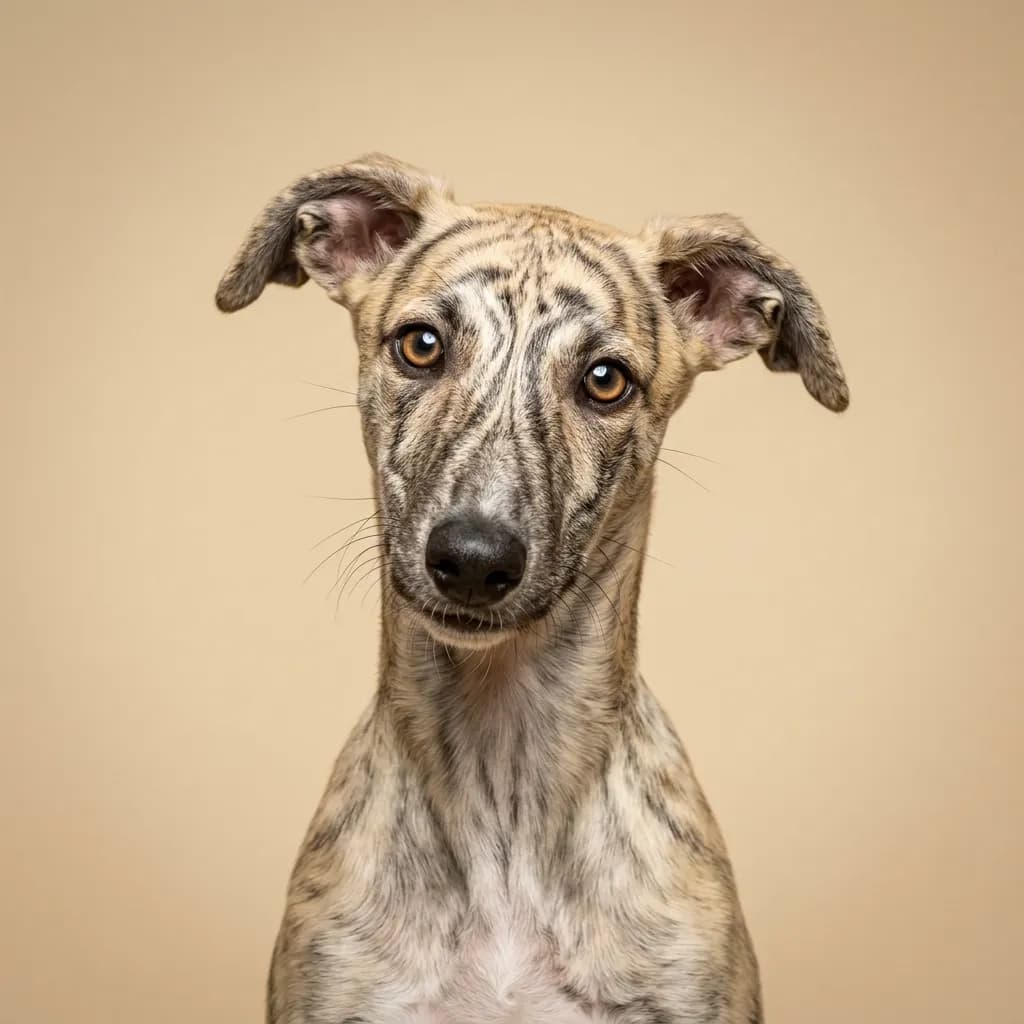
People compare the Braque du Bourbonnais and the Greyhound because they’re both lean, athletic dogs with short coats and a quiet demeanor indoors. At first glance, you might think they’re two sides of the same coin. sleek, low-shedding, and seemingly calm. But their energy shows up in completely different ways, and that’s where your lifestyle has to step in. The Braque is a hunter through and through. Bred to point and retrieve birds all day in the French countryside, this dog thrives when he has a job. He’s eager to please, highly trainable, and bonds tightly with his family. But don’t be fooled by his 4/5 affection score. he needs space to run and mental structure. Without it, he’ll get restless, and that gentle temperament can turn into subtle frustration. This isn’t a dog for someone who just wants a quiet couch buddy. The Greyhound, on the other hand, is the original “45-mph couch potato.” Yes, he can hit incredible speeds in short bursts, but indoors? He’ll spend 18 hours lounging, curled up at your feet. Many ex-racers end up in loving homes because they’re so even-tempered and adaptable. They’re great in apartments, not because they’re small, but because they’re incredibly content with moderate walks and the occasional sprint in a secure area. Here’s the real insight: the Braque wants to work with you. The Greyhound is happy to live near you. If you’re an active hunter or hiker who wants a devoted, responsive partner, go Braque. If you want a serene, noble companion who’s fine with a city life and doesn’t need constant direction, the Greyhound will surprise you. Just keep cats and squirrels out of sight.
Trait-by-trait
Higher bar = more of that trait. Shedding, barking, drooling, grooming flipped for readability.Where they diverge
Choose the Braque du Bourbonnais if…
- hunters and bird dog enthusiasts
- active rural families
- experienced pointer owners
- You value trainability — Braque du Bourbonnais scores noticeably higher.
Choose the Greyhound if…
- Apartment dwellers (surprisingly calm indoors)
- Adoption-minded owners (many ex-racers)
- Low-maintenance coat owners
- You value adaptability — Greyhound scores higher here.