Braque du Bourbonnais vs Harrier
Side-by-side comparison across all 14 AKC trait ratings, with a clear verdict on which breed fits which kind of household.
Not sure which breed fits your life?
Answer five questions about your home, your schedule, and your tolerance for shedding. We’ll match you to your top three breeds from over 200.
Braque du Bourbonnais vs Harrier
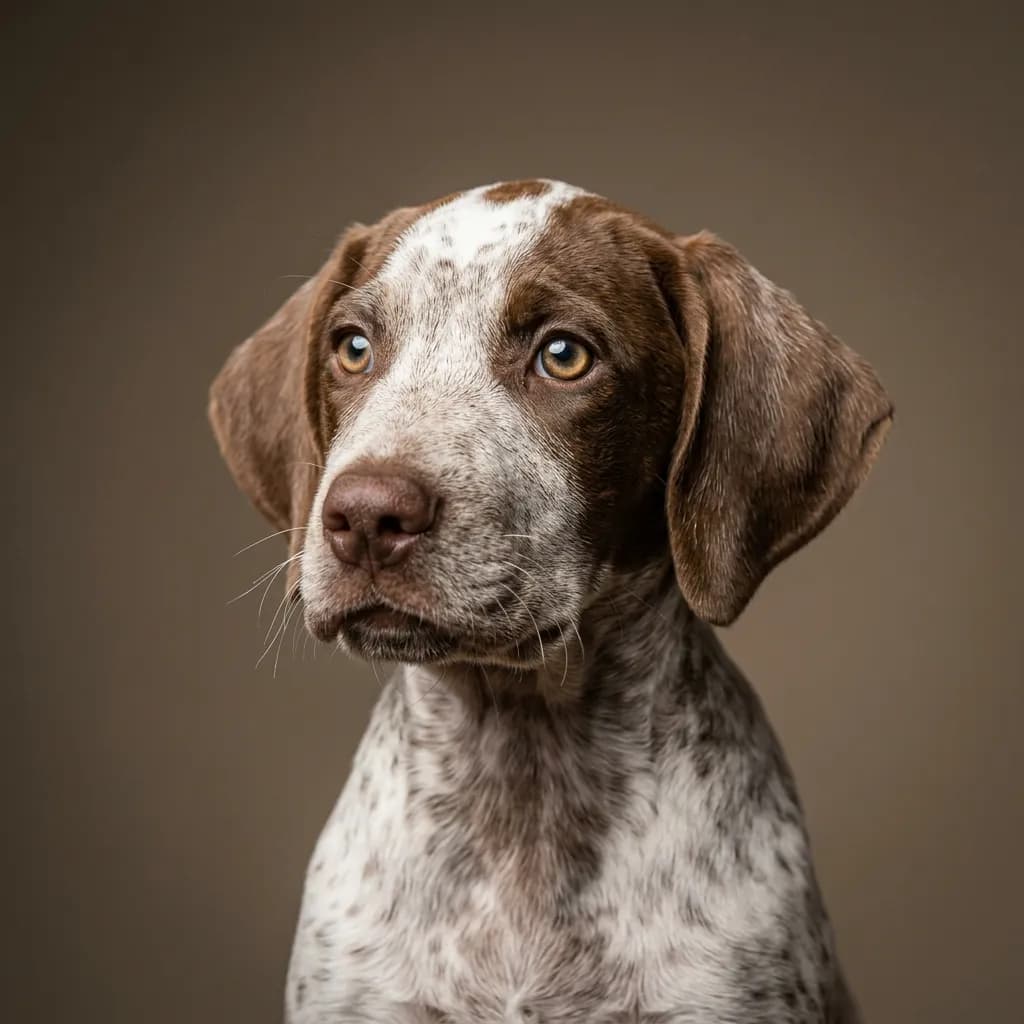
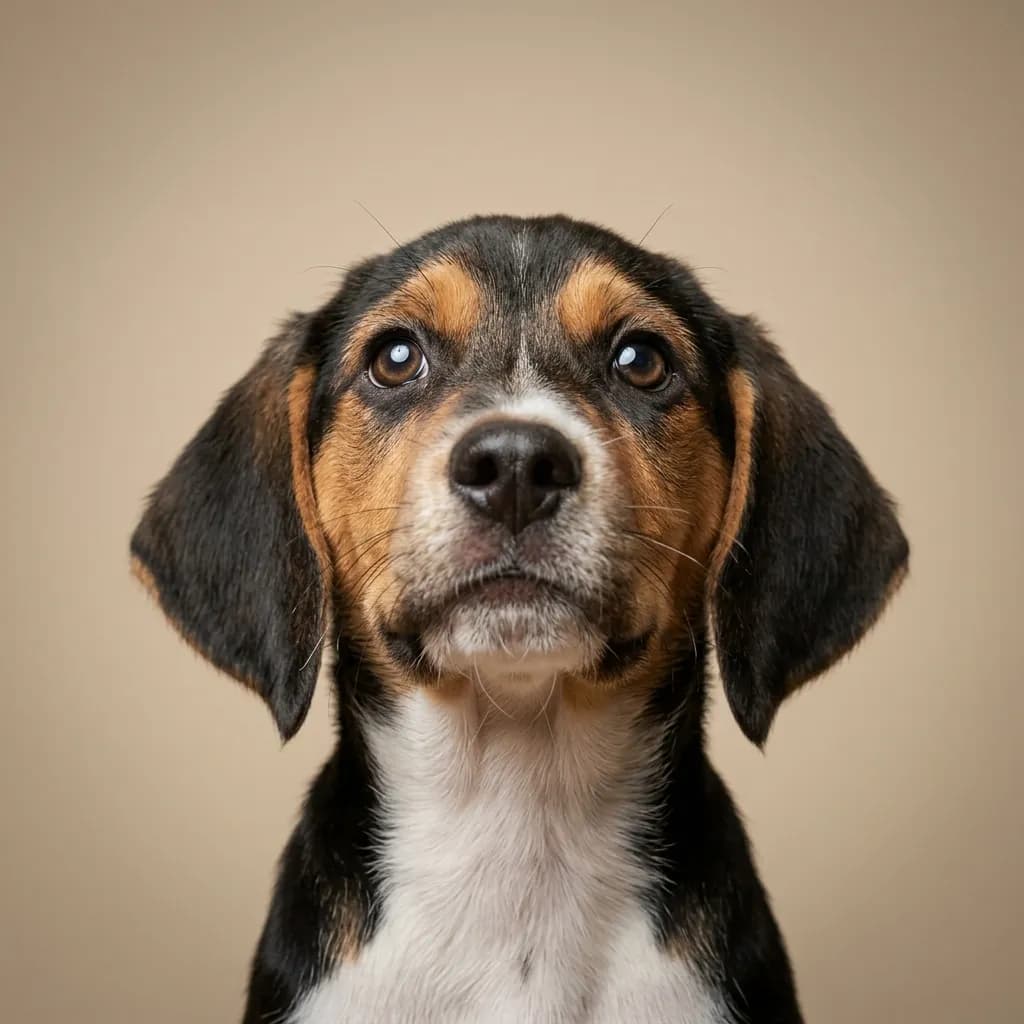
People compare the Braque du Bourbonnais and the Harrier because they’re both medium-sized, active hunting dogs with short coats and a nose for game. They look vaguely similar at a glance. compact, sturdy, built for miles of fieldwork. and they thrive with purpose. But that’s where the real similarities end. The Braque du Bourbonnais is a pointer through and through. He’s a little more reserved, intensely focused when working, and forms a tight bond with his handler. You’ll find him at your side, not disappearing over the next hill. He’s quiet, barks little, and excels in structured training. But he needs a job. ideally bird hunting or advanced dog sports. or he’ll find one for himself, like redecorating your garden. He’s affectionate but not a clown, and he won’t win over every kid he meets. This dog is for the hunter who wants a precise, trainable partner and lives where he can run. The Harrier, on the other hand, is a pack hound with a voice. He’s louder, more social, and built for stamina over speed. He’ll bay chasing rabbits with joyful abandon and bond warmly with the whole family, especially kids. He’s adaptable to suburban life if exercised, but his nose will always rule. Off-leash reliability? Forget it. He’s not stubborn. he just hears a different drummer, one named “scent trail.” Here’s the truth beyond the data: the Braque wants to work with you. The Harrier wants to run with others. Choose the Braque if you want a quiet, biddable gun dog who cuddles up after a long day in the field. Choose the Harrier if you want a merry, people-loving hound who turns every walk into a pack adventure. Your lifestyle. solitary hunter or family pack leader. should decide.
Trait-by-trait
Higher bar = more of that trait. Shedding, barking, drooling, grooming flipped for readability.Where they diverge
Choose the Braque du Bourbonnais if…
- hunters and bird dog enthusiasts
- active rural families
- experienced pointer owners
- You value trainability — Braque du Bourbonnais scores noticeably higher.
Choose the Harrier if…
- Active families
- Hunters
- Rural living
- You value barking level — Harrier scores higher here.