Broholmer vs Dogo Argentino
Side-by-side comparison across all 14 AKC trait ratings, with a clear verdict on which breed fits which kind of household.

Not sure which breed fits your life?
Answer five questions about your home, your schedule, and your tolerance for shedding. We’ll match you to your top three breeds from over 200.
Broholmer vs Dogo Argentino
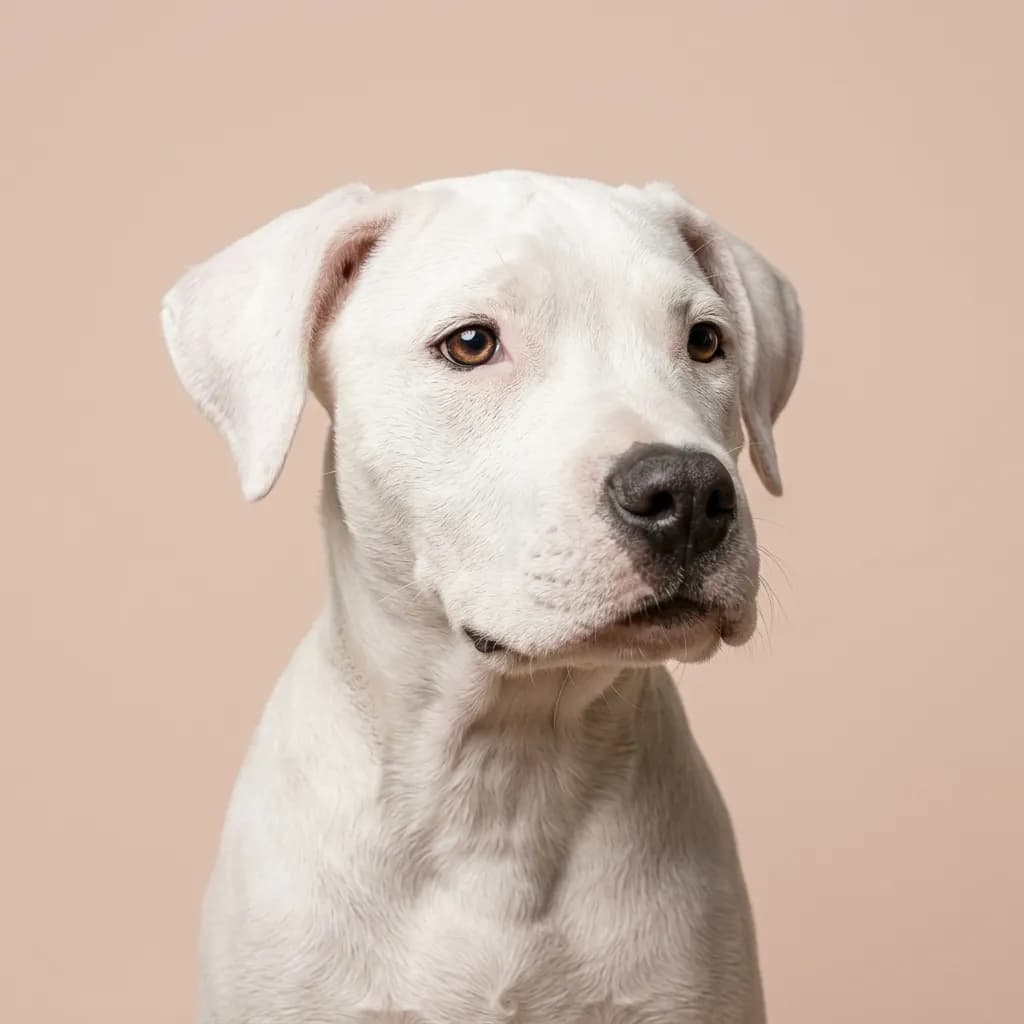
You don’t see Broholmers and Dogo Argentinos side by side at dog parks. both are rare, powerful breeds that draw double takes. People compare them because they’re big, white, and imposing, but that’s where the similarity ends. Think of the Broholmer as the calm, old-money estate guardian from Denmark. he’s dignified, quiet, and watches over life with a steady gaze. The Dogo is the intense, athletic hunter from Argentina, bred to track puma through mountain terrain, all muscle and mission. The Broholmer moves like he’s got all day, energy dialed low, happiest lounging near his people with a contented sigh. He’s affectionate in a quiet way, not hyper, not demanding, but deeply loyal. Kids can be around him, but he’s not a playmate. You’ll need space, strong fencing, and the ability to manage a giant dog. this isn’t a breed that forgives clumsy handling. His health risks are typical of giants: bloat, joint issues, heart concerns. The Dogo, meanwhile, is always ready. He’s cheerful but focused, eager to work, and needs serious daily exercise and mental challenges. He bonds fiercely with his family and can be a reliable protector. but his prey drive is high. If you’ve got cats or small dogs, he might not learn to ignore them. Deafness is a real concern, especially in all-white lines, so reputable breeders do BAER testing. He’s more adaptable than the Broholmer, even fitting into active suburban life. if you’re out running or hiking daily. Here’s the truth beyond the numbers: the Broholmer is a companion who guards. The Dogo is a warrior who loves. Choose the Broholmer if you want a gentle giant who keeps watch. Choose the Dogo if you want a driven partner who thrives on purpose. Both need experienced hands. Neither will let you down. if you earn their trust.
Trait-by-trait
Higher bar = more of that trait. Shedding, barking, drooling, grooming flipped for readability.Where they diverge
Choose the Broholmer if…
- experienced large-breed owners
- families with children
- homes with large yards
Choose the Dogo Argentino if…
- Experienced dog owners
- Active individuals
- Homes with a large fenced yard
- You value energy level — Dogo Argentino scores higher here.