Broholmer vs Field Spaniel
Side-by-side comparison across all 14 AKC trait ratings, with a clear verdict on which breed fits which kind of household.

Not sure which breed fits your life?
Answer five questions about your home, your schedule, and your tolerance for shedding. We’ll match you to your top three breeds from over 200.
Broholmer vs Field Spaniel
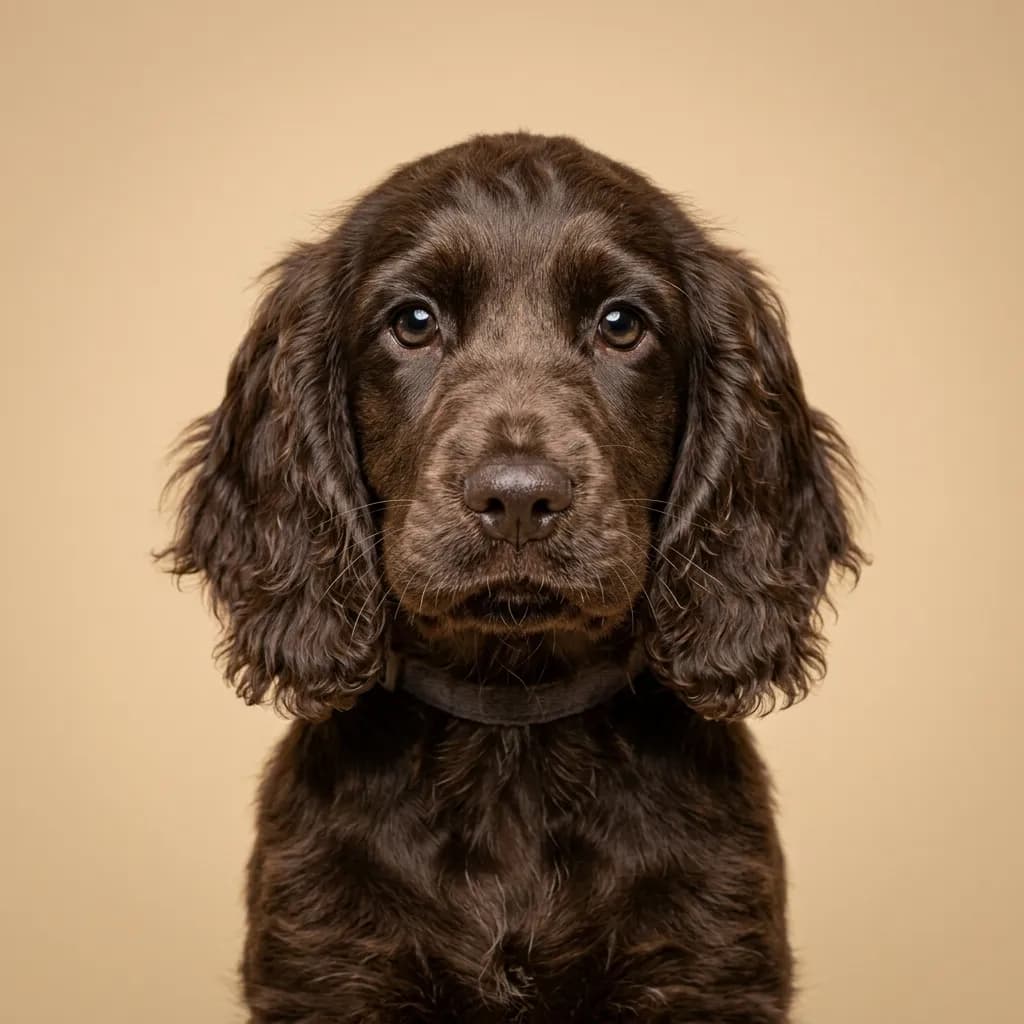
You’re probably not comparing a Broholmer and a Field Spaniel unless you’ve fallen down a deep dog nerd rabbit hole. At first glance, they seem to have nothing in common. One’s a gentle giant from Denmark built like a draft horse with a beard, the other a sleek, soft-eyed English sporting dog that fits in the backseat without claiming the whole bench. But maybe you’re torn between a guardian and a companion, or you love spaniels but your in-laws want something impressive at the front gate. Here’s the real divide: the Broholmer is a quiet watcher. He’s not barking much, but he knows who comes and goes. At 100+ pounds, he’s not a lap dog, but he’ll lean on you like a furry parked car. He’s calm, moderately trainable, and needs space. both physically and in terms of experience. If you’ve never handled a giant breed, his mild demeanor won’t save you from the realities of leash walks gone wrong or a tail sweeping dinner off the table. The Field Spaniel is a different kind of quiet. He’s sensitive, eager to please, and bonds deeply. He’ll follow your kid around the yard like a furry shadow and still have energy to hunt or hike. He needs grooming and mental engagement, but he’s far easier to live with in a typical suburban home. The honest truth? The Broholmer isn’t really a family pet. he’s a lifestyle commitment. The Field Spaniel fits into your life. If you want a dog who moves with your family’s rhythm and won’t scare guests just by standing up, go Field Spaniel. If you want a majestic, calm presence who turns heads and deters intruders just by existing, and you’ve got space and experience, the Broholmer delivers. Just know you’re not just choosing a dog. You’re choosing a role.
Trait-by-trait
Higher bar = more of that trait. Shedding, barking, drooling, grooming flipped for readability.Where they diverge
Choose the Broholmer if…
- experienced large-breed owners
- families with children
- homes with large yards
- You value drooling level — Broholmer scores noticeably higher.
Choose the Field Spaniel if…
- Active families
- Hunters
- Homes with a yard
- You value good with young children — Field Spaniel scores higher here.