Broholmer vs Mountain Cur
Side-by-side comparison across all 14 AKC trait ratings, with a clear verdict on which breed fits which kind of household.
Not sure which breed fits your life?
Answer five questions about your home, your schedule, and your tolerance for shedding. We’ll match you to your top three breeds from over 200.
Broholmer vs Mountain Cur
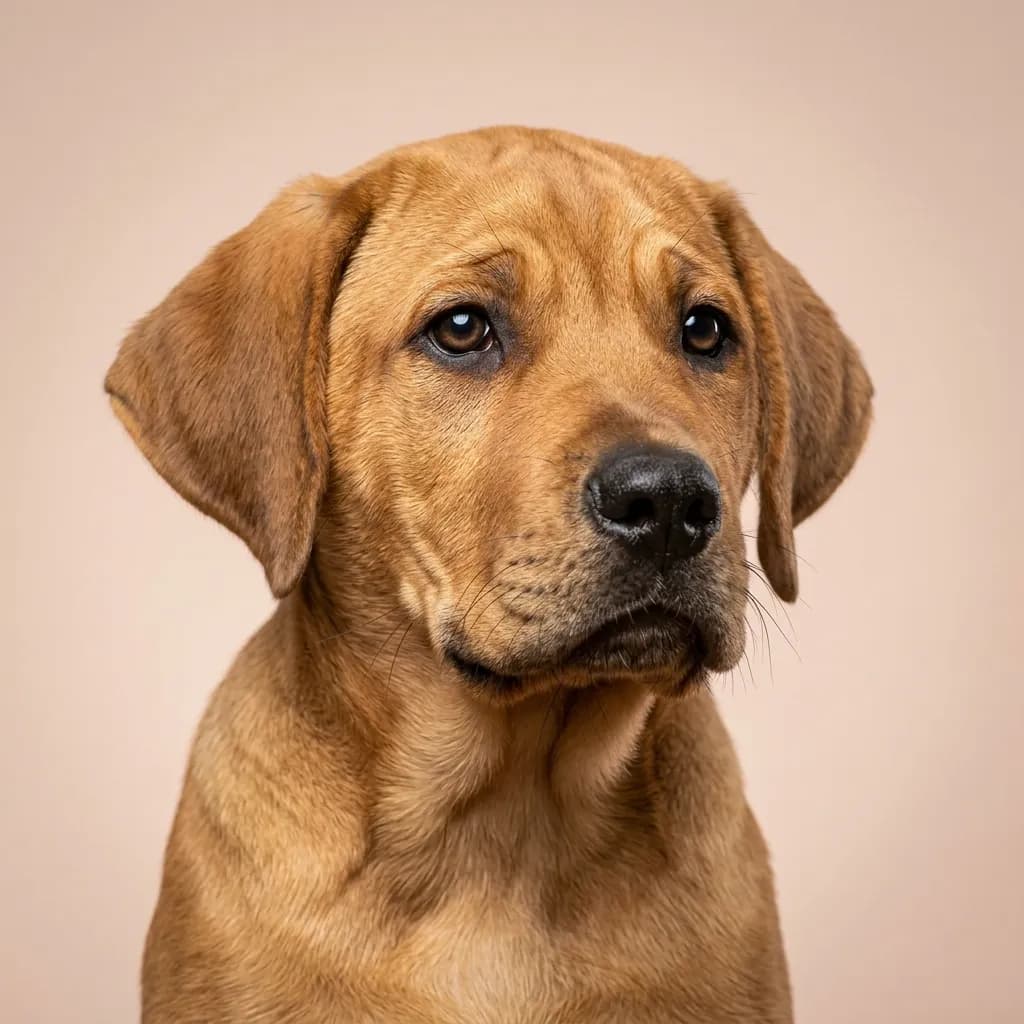
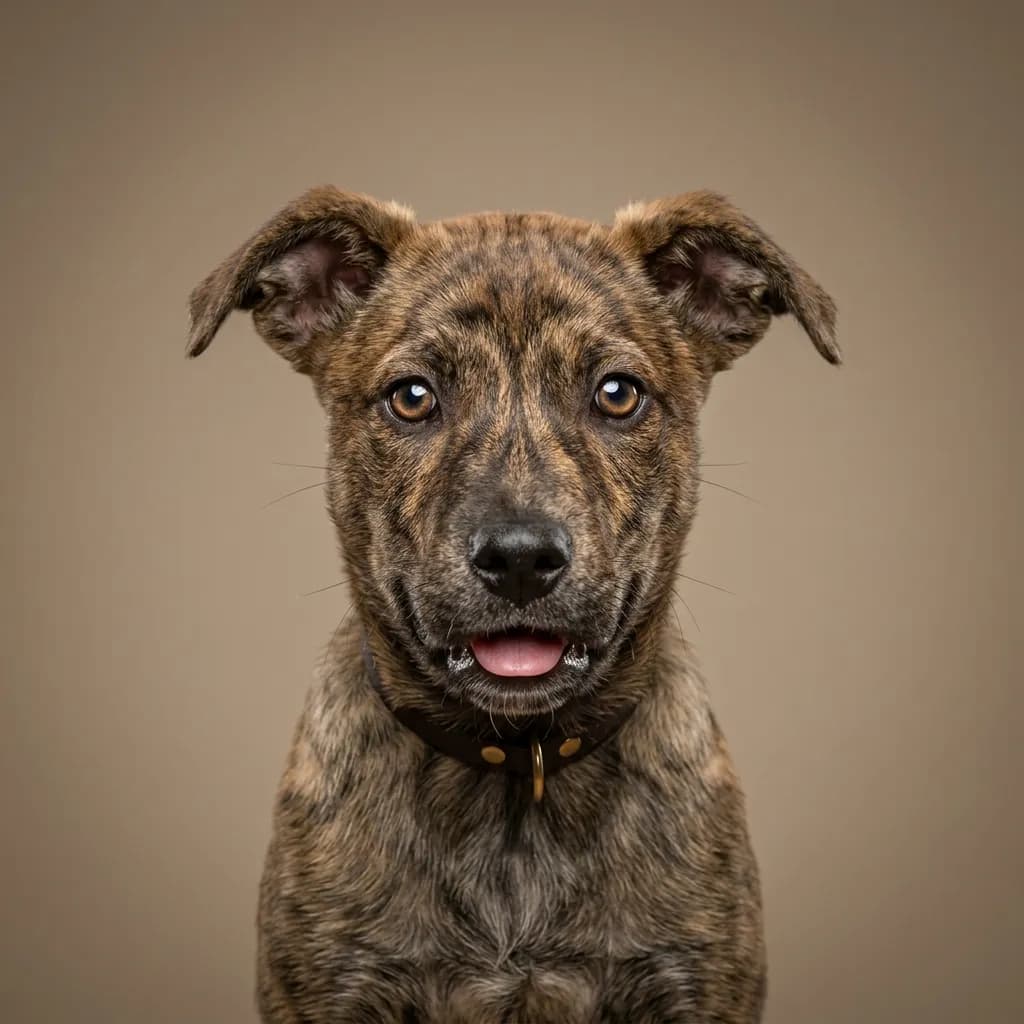
People toss these two together because they’re both working breeds with “Cur” in the name, but that’s where the similarity ends. One’s a gentle giant from Danish manor houses, the other a wiry survivor from the backwoods of Appalachia. If you’re picturing lazy Sundays on the porch, the Broholmer might win you over with his quiet loyalty and calm presence. He’s the dog who’ll stretch out like a furry ottoman while the kids climb on him, content to be part of the background. But don’t be fooled. he’s watchful, deeply affectionate, and built like a draft horse. At 100+ pounds, he’s not just big, he’s massive, and that size means you’ll need space, strong leadership, and a plan for bloat prevention. Now flip the script. The Mountain Cur is all nervous energy and sharp instincts. He’s not lounging. He’s scanning the tree line, ears pricked, ready to bolt after something you didn’t even see. This dog was born to work, to hunt, to solve problems in the brush. He bonds fiercely with his people but won’t greet your guests with a wag. He’ll side-eye them first. You want a true partner for hikes, hunting, or farm life? He’s your guy. But if you’re not active, not engaged, he’ll find his own entertainment. likely involving digging, barking, or chasing squirrels into oblivion. The real insight? The Broholmer looks like a guard dog but acts like a teddy bear. The Mountain Cur looks like a mutt but thinks like a tactician. Pick the Broholmer if you want a calm, loving presence and can handle the size. Pick the Mountain Cur if you need a rugged, driven companion and live where he can run hard every single day. One is a gentle sentinel. The other is a backwoods brainiac. Choose based on your life, not just your heart.
Trait-by-trait
Higher bar = more of that trait. Shedding, barking, drooling, grooming flipped for readability.Where they diverge
Choose the Broholmer if…
- experienced large-breed owners
- families with children
- homes with large yards
- You value drooling level — Broholmer scores noticeably higher.
Choose the Mountain Cur if…
- Active outdoor owners
- Hunters
- Rural or farm settings
- You value energy level — Mountain Cur scores higher here.