Caucasian Shepherd Dog vs Harrier
Side-by-side comparison across all 14 AKC trait ratings, with a clear verdict on which breed fits which kind of household.
Not sure which breed fits your life?
Answer five questions about your home, your schedule, and your tolerance for shedding. We’ll match you to your top three breeds from over 200.
Caucasian Shepherd Dog vs Harrier
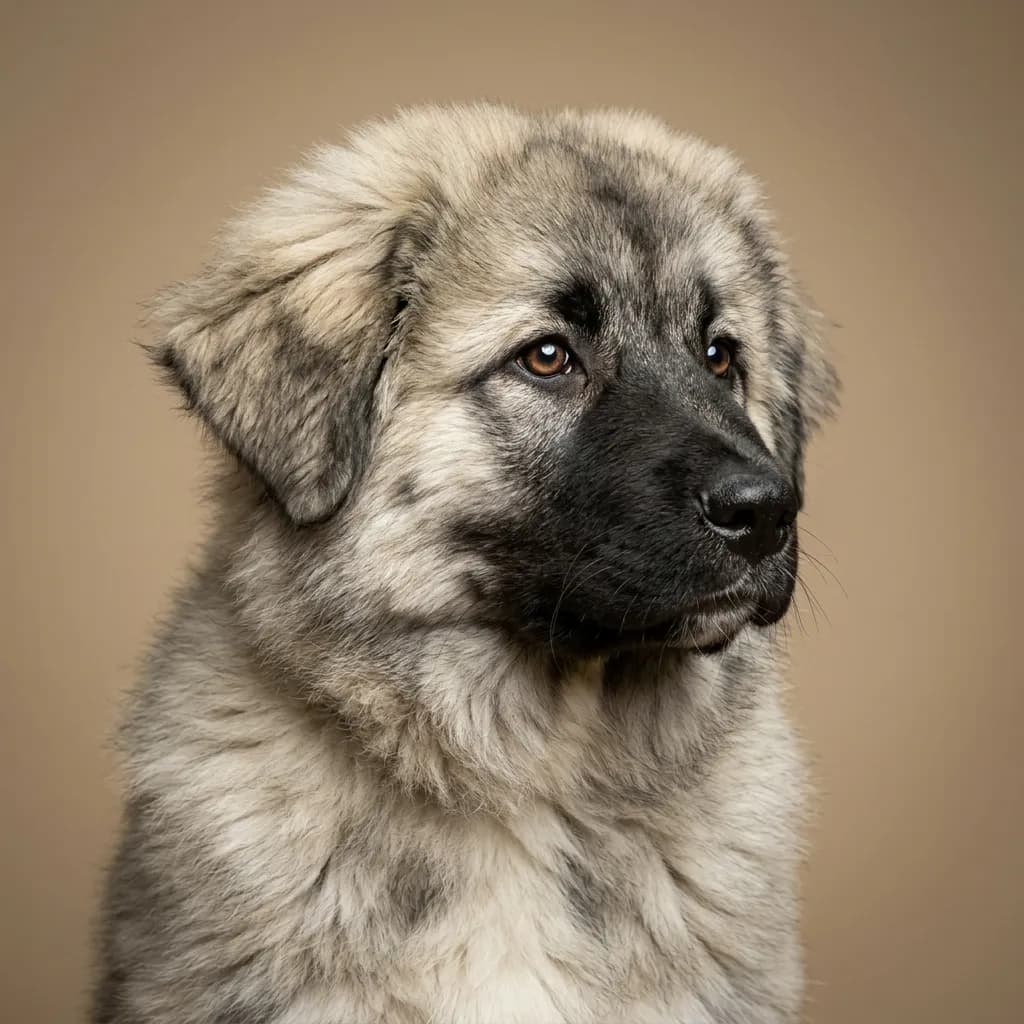
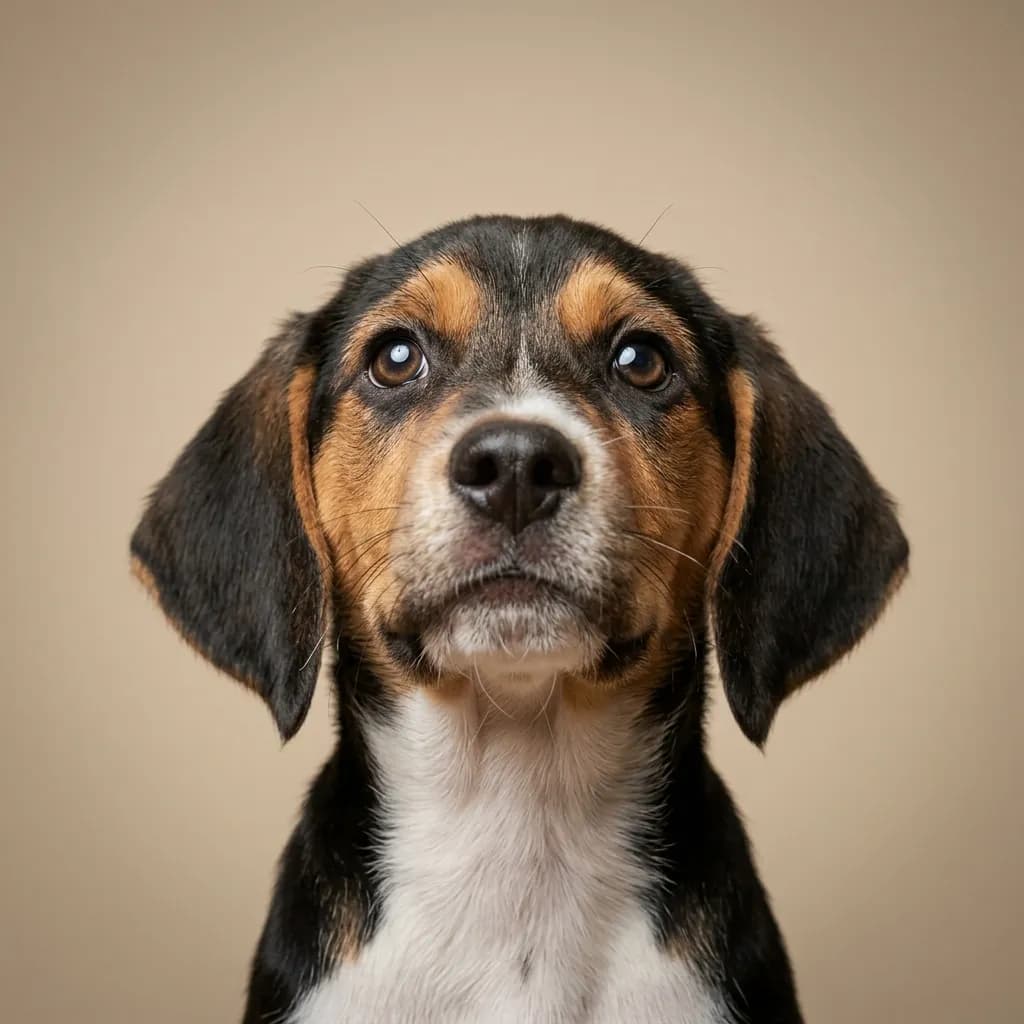
You’re not seeing these two breeds side by side at dog parks. that’s the first clue they serve wildly different lives. People compare the Caucasian Shepherd and the Harrier not because they’re similar, but because they’re both large-ish, relatively rare, and come with strong instincts that demand attention. But that’s where the overlap ends. The Caucasian Shepherd is a fortress on four legs. Bred to guard flocks against wolves in the harsh Caucasus Mountains, this dog is calm but unmovable, weighing up to 170 pounds of thick-coated, independent muscle. It won’t bark much, but when it does, it means business. You don’t train this dog so much as earn its cooperation. It’s kind with family but wary of strangers, and its adaptability score? Almost nonexistent. You need space, experience, and a reason for such a powerful guardian. It’s not a pet in the traditional sense. it’s a commitment like owning a horse or a farm. The Harrier, meanwhile, is what you get when you cross a beagle with a foxhound and double the energy. Built for chasing hares in packs, it’s social, goofy, and thrives on movement and company. At 60 pounds, it’s half the size of the Shepherd but twice as vocal. It’ll bark at squirrels, mail carriers, and its own shadow. This dog wants to be with you, always, and will follow you from room to room. It’s great with kids, other dogs, and fits well in active homes. even a large suburban yard can work. The real insight? The Caucasian Shepherd will protect your property even if you’re not home. The Harrier won’t guard anything. but it will make sure you never feel alone. Pick based on whether you need a sentinel or a companion.
Trait-by-trait
Higher bar = more of that trait. Shedding, barking, drooling, grooming flipped for readability.Where they diverge
Choose the Caucasian Shepherd Dog if…
- Experienced dog owners
- Rural or large property owners
- Those wanting a livestock guardian
- You value coat grooming — Caucasian Shepherd Dog scores noticeably higher.
Choose the Harrier if…
- Active families
- Hunters
- Rural living
- You value good with other dogs — Harrier scores higher here.