Danish-Swedish Farmdog vs Drever
Side-by-side comparison across all 14 AKC trait ratings, with a clear verdict on which breed fits which kind of household.
Not sure which breed fits your life?
Answer five questions about your home, your schedule, and your tolerance for shedding. We’ll match you to your top three breeds from over 200.
Danish-Swedish Farmdog vs Drever
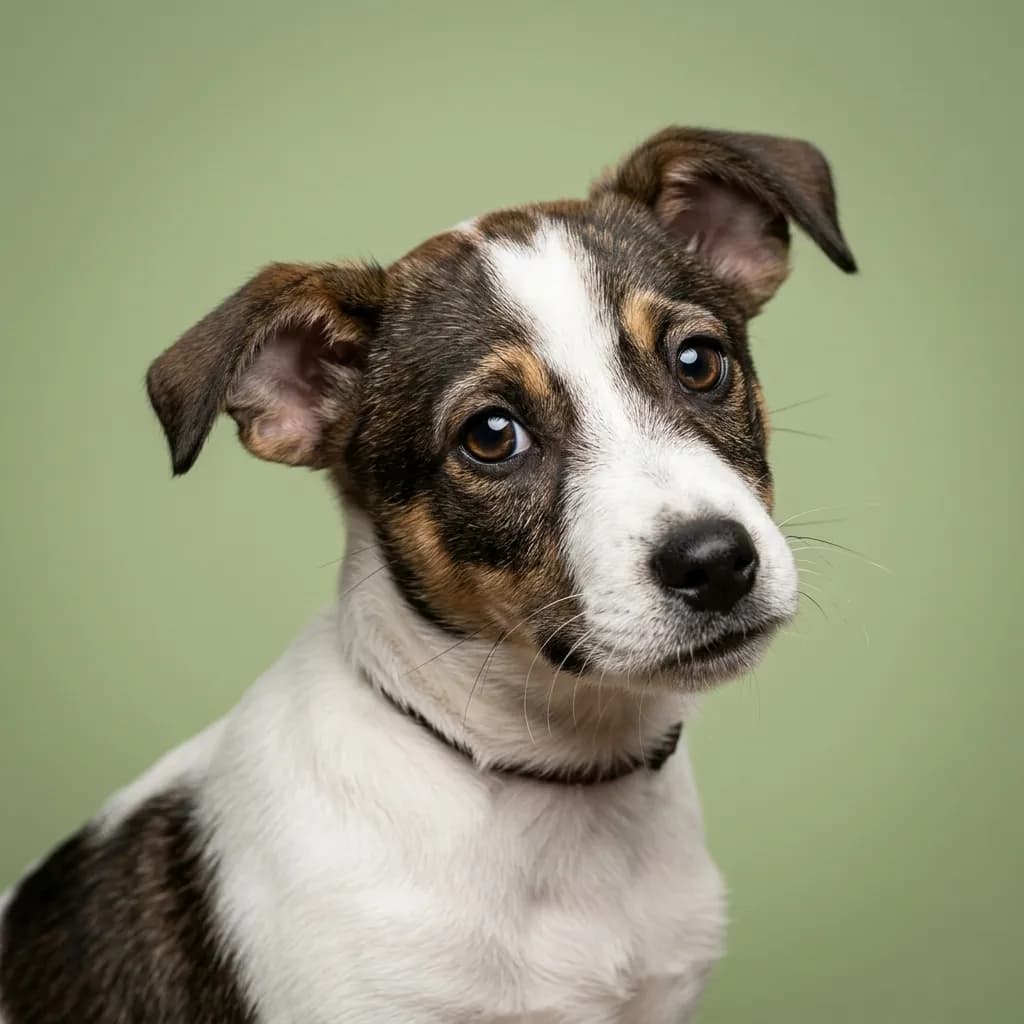
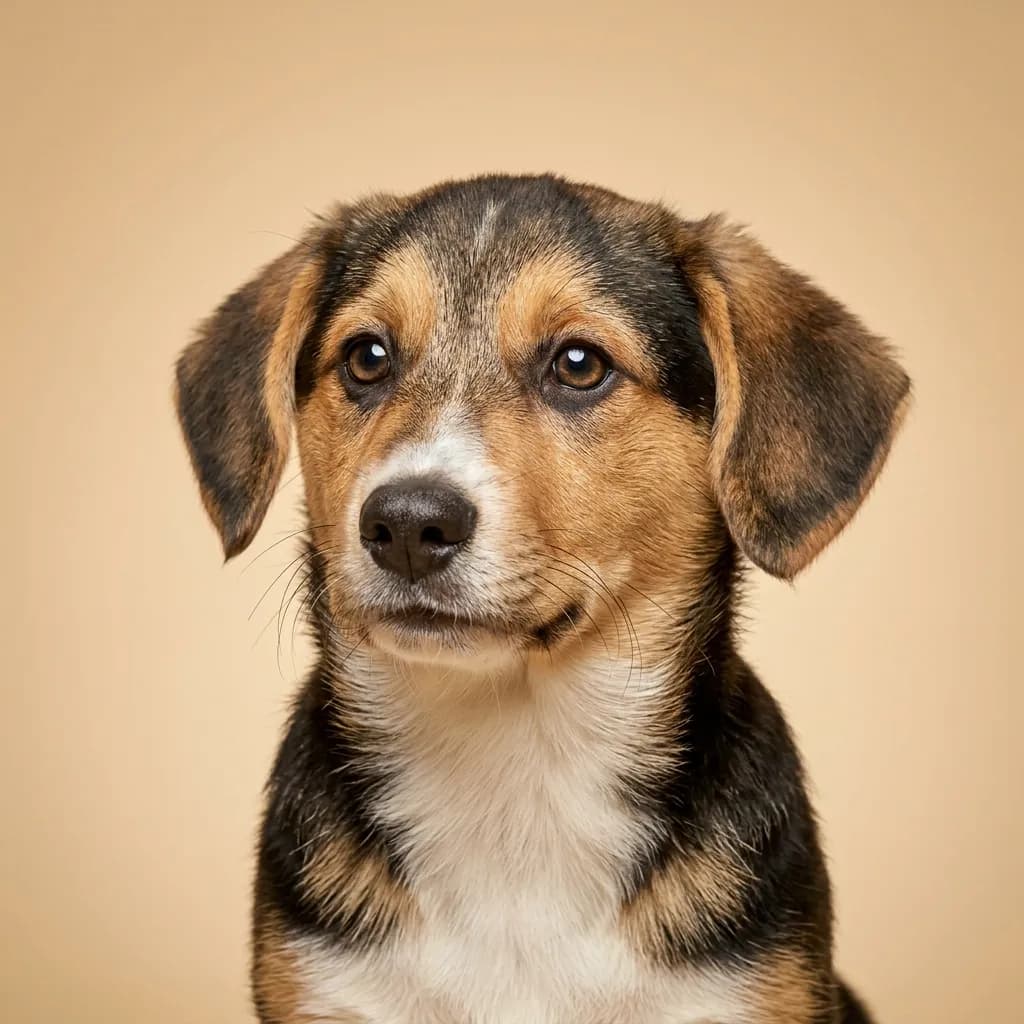
You’re probably looking at these two because they’re both rare Scandinavian breeds with short legs, friendly faces, and a reputation for being good with kids. But that’s where the similarities end. Think of the Danish-Swedish Farmdog as the nimble, watchful little barn cat of dogs. it was bred to dart around farmsteads snagging rats, so it’s sharp, affectionate, and thrives in a busy household. At 15 to 20 pounds, it fits neatly into apartment life as long as you’re out walking daily and playing brain games. It bonds deeply with everyone, including toddlers, and its trainability makes it a solid pick for first-time owners. The Drever, meanwhile, is a working scent hound built for endurance. At 35 to 40 pounds, it’s twice the size and built for purpose. driving deer through dense Nordic forests. That means it’s louder, needs more space, and has a nose that’s always on the clock. If you’re hunting, hiking in cold weather, or obsessed with scent sports, the Drever will be your shadow. But don’t even think about it if you live in an apartment or hate barking. It’s loyal and good with kids, yes, but it’s not a lapdog. Here’s the real difference: the Farmdog wants to be part of your family’s every move, quietly at your feet. The Drever wants to be out there, doing a job, preferably miles from home in the woods. Pick the Farmdog if you want a compact, people-focused companion. Pick the Drever if you’re outdoorsy and don’t mind a dog that’s always listening for the next adventure. And whatever you do, don’t skip the fencing. Drevers will follow a trail and not look back.
Trait-by-trait
Higher bar = more of that trait. Shedding, barking, drooling, grooming flipped for readability.Where they diverge
Choose the Danish-Swedish Farmdog if…
- Active families
- Families with children
- Apartment living (with exercise)
- You value affectionate w/ family — Danish-Swedish Farmdog scores noticeably higher.
Choose the Drever if…
- hunters
- active families in cold climates
- outdoor adventurers
- You value shedding level — Drever scores higher here.