Deutscher Wachtelhund vs Wetterhoun
Side-by-side comparison across all 14 AKC trait ratings, with a clear verdict on which breed fits which kind of household.
Not sure which breed fits your life?
Answer five questions about your home, your schedule, and your tolerance for shedding. We’ll match you to your top three breeds from over 200.
Deutscher Wachtelhund vs Wetterhoun
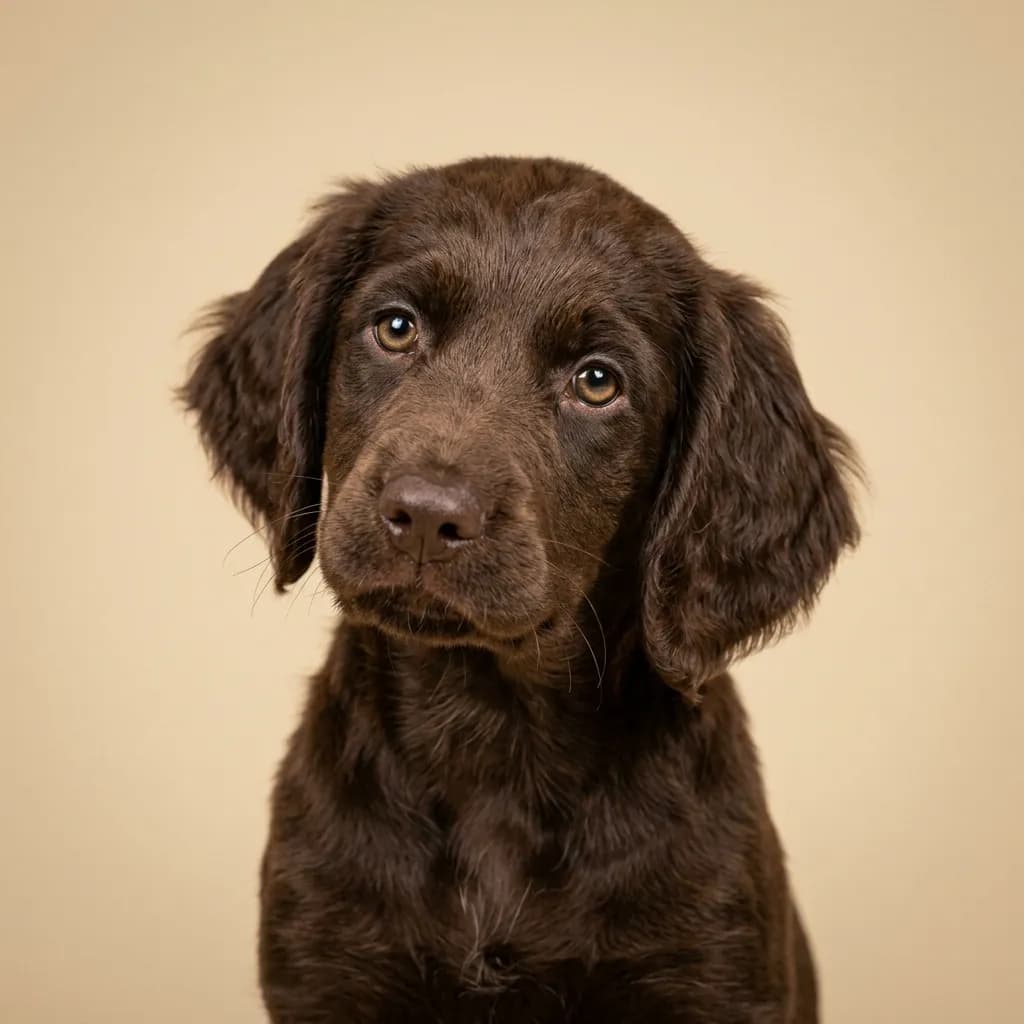
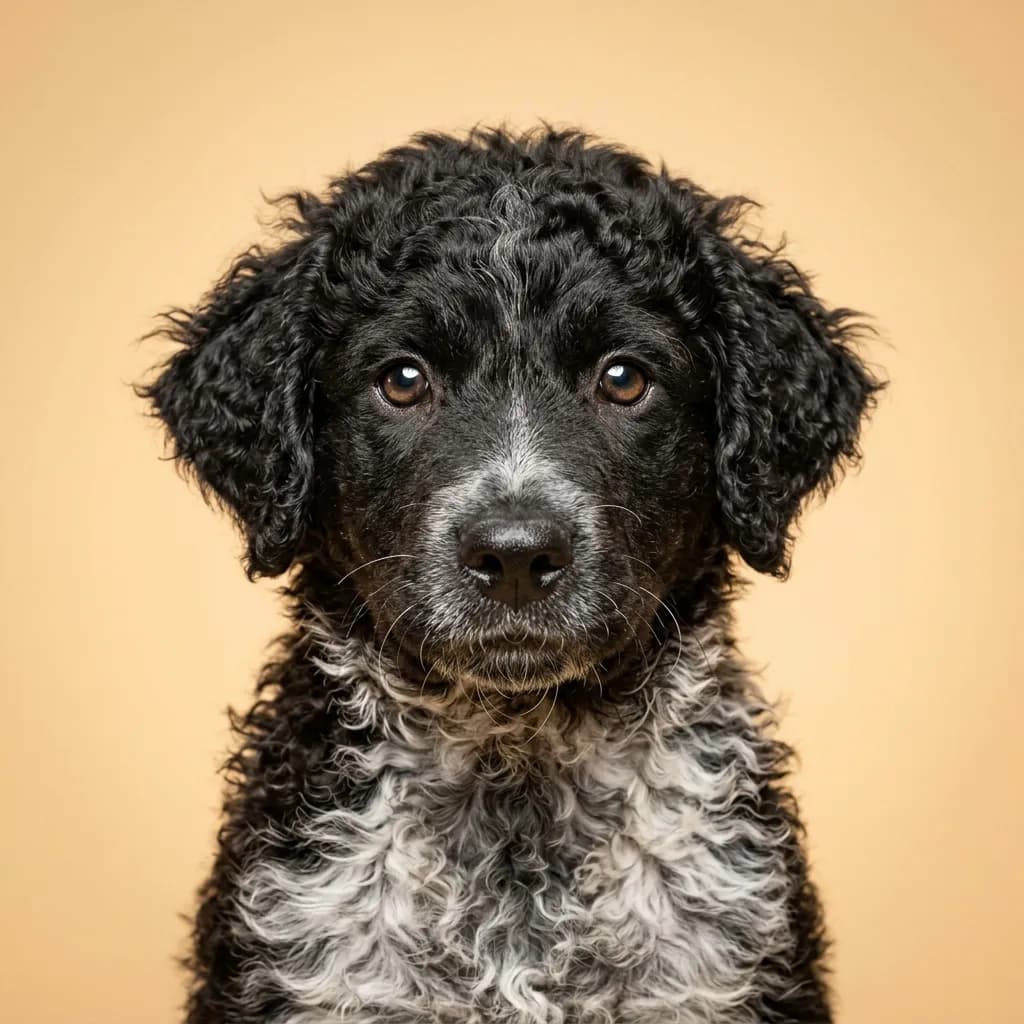
You don’t stumble into either of these breeds by accident. People compare the Deutscher Wachtelhund and the Wetterhoun because they’re both rare, water-loving gun dogs built for serious work in tough terrain, and you’ve probably never seen one at the dog park. But that’s where the overlap ends. The Wachtelhund is your all-terrain hunting partner. At 40 to 55 pounds and built like a compact athlete, it’s made for covering miles in thick cover or cold water, driven by an almost obsessive determination. It’s friendly but focused, eager to please but needs a job. You’ll need time for training and plenty of outdoor space. this isn’t a dog that’ll settle for weekend hikes. It bonds deeply with active owners who hunt or are willing to simulate that lifestyle with advanced dog sports. The Wetterhoun? Heavier, stockier, with that wild curly coat that repels mud like a duck’s back, this Dutch breed is more stoic, more independent. Originally bred to hunt otters in the soggy marshes of Friesland, it’s calm indoors but thrives in cold, wet climates and rugged routines. It’s loyal and affectionate with its family but reserved with strangers, and early socialization is non-negotiable. Here’s what the data won’t tell you: both breeds demand commitment, but the Wachtelhund wants to work with you, while the Wetterhoun often decides for himself. If you need a dog that’s a true teammate in the field, go Wachtelhund. If you’re okay with a strong-willed, low-energy companion who loves water and quiet loyalty over eagerness, the Wetterhoun might surprise you. Just don’t expect either to fit into suburban life without effort. They’re not pets. They’re partners.
Trait-by-trait
Higher bar = more of that trait. Shedding, barking, drooling, grooming flipped for readability.Where they diverge
Choose the Deutscher Wachtelhund if…
- Hunters
- Active individuals
- Rural environments
- You value good with young children — Deutscher Wachtelhund scores noticeably higher.
Choose the Wetterhoun if…
- hunters
- active rural owners
- experienced sporting dog owners