Deutscher Wachtelhund vs Working Kelpie
Side-by-side comparison across all 14 AKC trait ratings, with a clear verdict on which breed fits which kind of household.
Not sure which breed fits your life?
Answer five questions about your home, your schedule, and your tolerance for shedding. We’ll match you to your top three breeds from over 200.
Deutscher Wachtelhund vs Working Kelpie
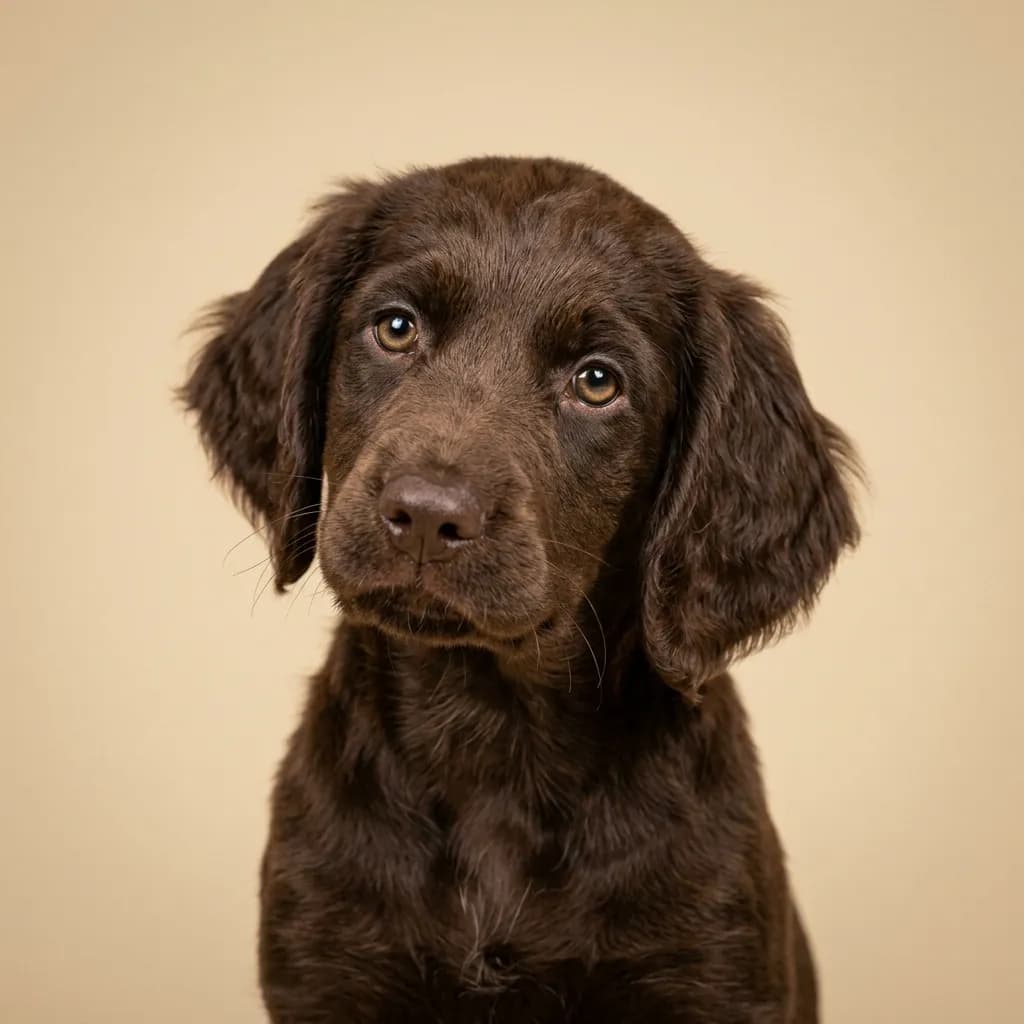
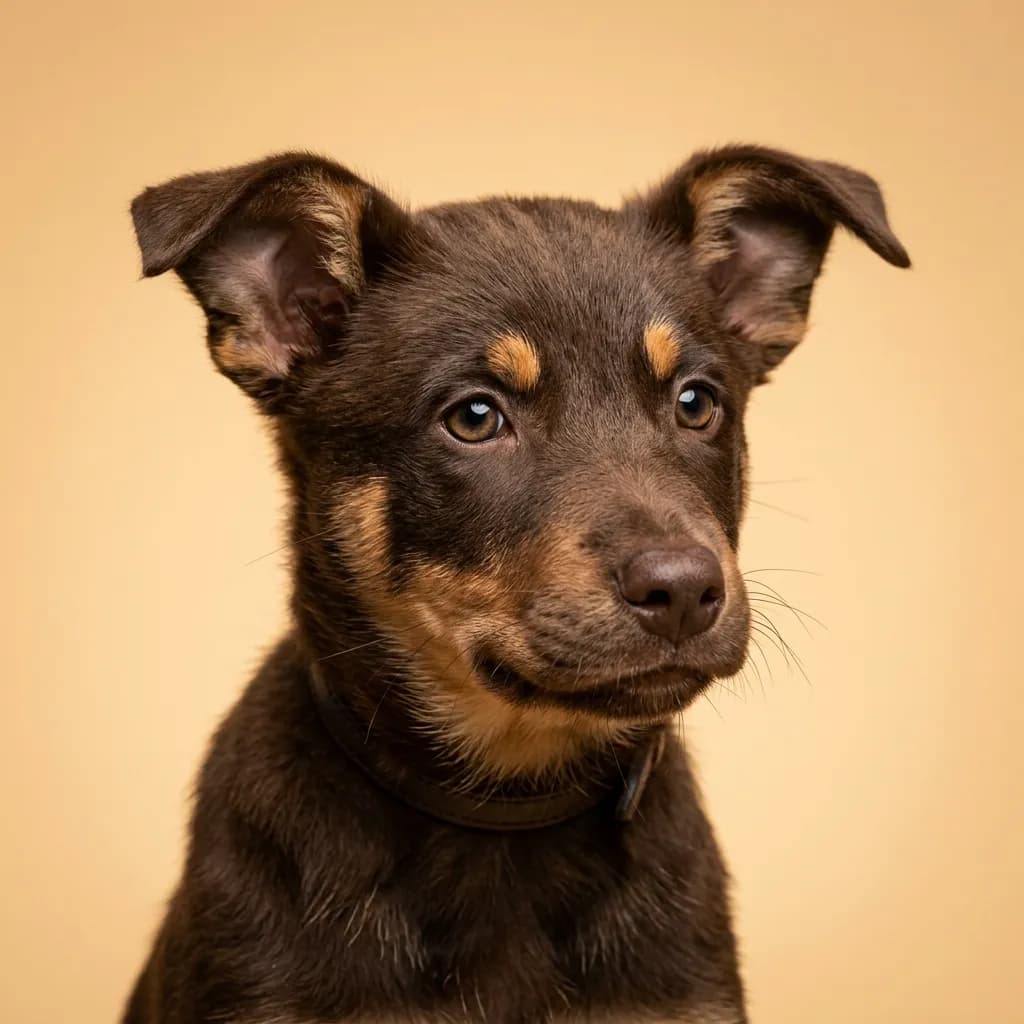
You’re not going to stumble on a Deutscher Wachtelhund at your local dog park. Same goes for a Working Kelpie, unless they’ve just come off a 10-mile trek with a farmer. People compare them because both are high-drive, working-bred dogs that thrive on purpose, and both look like they could handle more than your average family pet. But that’s where the similarity ends. The Wachtelhund is a hunter’s shadow. Compact, versatile, built for dense brush and cold water, this German pointer-retriever combo lives to quarter the field and bring it back. dry or dripping. He’s friendly, biddable, and bonds deeply, but he needs game or serious simulated hunting work to stay sane. Without it, that mental stimulation score isn’t a suggestion. it’s a warning. The Kelpie? He doesn’t wait for a whistle. He reads the wind, the sheep, the terrain. Bred for endless days on the outback, his energy isn’t just high. it’s self-sustaining. You don’t tire out a Kelpie; you manage him. He’s not as overtly affectionate, and he won’t cozy up on the couch unless he’s earned it. But in the right hands. someone who moves, who works, who expects the dog to do something. he’s brilliant. Pick the Wachtelhund if you hunt, or are serious about field training, and want a loyal, adaptable companion who can handle kids and the occasional weekend swim. Pick the Kelpie if you need a dog that works as hard as you do, and you’re not afraid of a brain that never shuts off. Here’s the real talk: neither of these dogs cares about your hobby. They demand a job. If you can’t give them one, they’ll invent their own. and you probably won’t like it.
Trait-by-trait
Higher bar = more of that trait. Shedding, barking, drooling, grooming flipped for readability.Where they diverge
Choose the Deutscher Wachtelhund if…
- Hunters
- Active individuals
- Rural environments
- You value affectionate w/ family — Deutscher Wachtelhund scores noticeably higher.
Choose the Working Kelpie if…
- Farmers and ranchers
- Experienced dog owners
- Active rural lifestyles
- You value good with strangers — Working Kelpie scores higher here.