Drever vs Finnish Lapphund
Side-by-side comparison across all 14 AKC trait ratings, with a clear verdict on which breed fits which kind of household.

Not sure which breed fits your life?
Answer five questions about your home, your schedule, and your tolerance for shedding. We’ll match you to your top three breeds from over 200.
Drever vs Finnish Lapphund
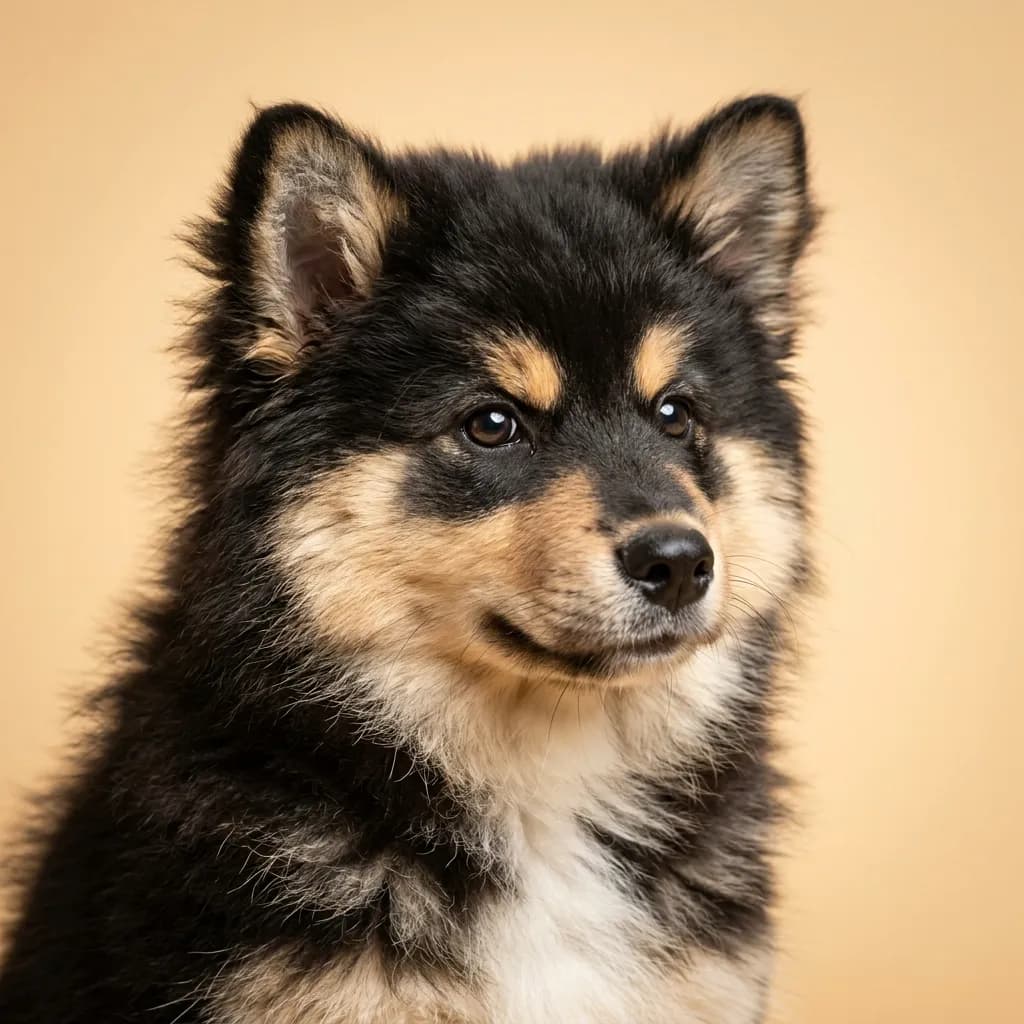
People compare the Drever and Finnish Lapphund because they’re both medium-sized, hardy Nordic breeds with thick coats and a love for cold weather. On paper, they seem like cousins. both loyal, family-friendly, and built for northern life. But if you’ve spent time around them, you quickly realize they’re built for entirely different jobs, and that shapes everything. The Drever was made to work deep in Scandinavian forests, driving deer toward hunters with relentless focus. That means they’re determined, with a nose that won’t quit and a bark that carries. They’re lighter on their feet, shorter in stature, and built for endurance, not show. You’ll need a secure yard and daily scent games or hikes. otherwise you’ll come home to a chewed baseboard or a missing shoe. They’re incredibly trainable, which helps, but you can’t outsmart their prey drive. The Finnish Lapphund, meanwhile, was watching over reindeer in Arctic herds, alert and responsive to their handler. That makes them more adaptable, friendlier with strangers, and surprisingly good in a family setting. even for first-time owners. Their bark is louder and more frequent, yes, but it’s more about alerting than chasing. They’re fluffier, with a mane you’ll vacuum out weekly, and while they love snow, they don’t need to be working every second. Here’s the thing no one tells you: the Drever thrives on purpose. If you don’t give it a job. tracking, hunting, structured play. it’ll invent one, and you won’t like the results. The Lapphund just wants to be part of your life, snow or not. So if you’re a weekend hiker who also wants a cuddler on the couch, go Lapphund. But if you’re a hunter or scent-work junkie with a fenced forest lot, the Drever will be your most loyal partner.
Trait-by-trait
Higher bar = more of that trait. Shedding, barking, drooling, grooming flipped for readability.Where they diverge
Choose the Drever if…
- hunters
- active families in cold climates
- outdoor adventurers
- You value good with other dogs — Drever scores noticeably higher.
Choose the Finnish Lapphund if…
- Active families
- Cold climates
- First-time owners
- You value affectionate w/ family — Finnish Lapphund scores higher here.