Drever vs Harrier
Side-by-side comparison across all 14 AKC trait ratings, with a clear verdict on which breed fits which kind of household.
Not sure which breed fits your life?
Answer five questions about your home, your schedule, and your tolerance for shedding. We’ll match you to your top three breeds from over 200.
Drever vs Harrier
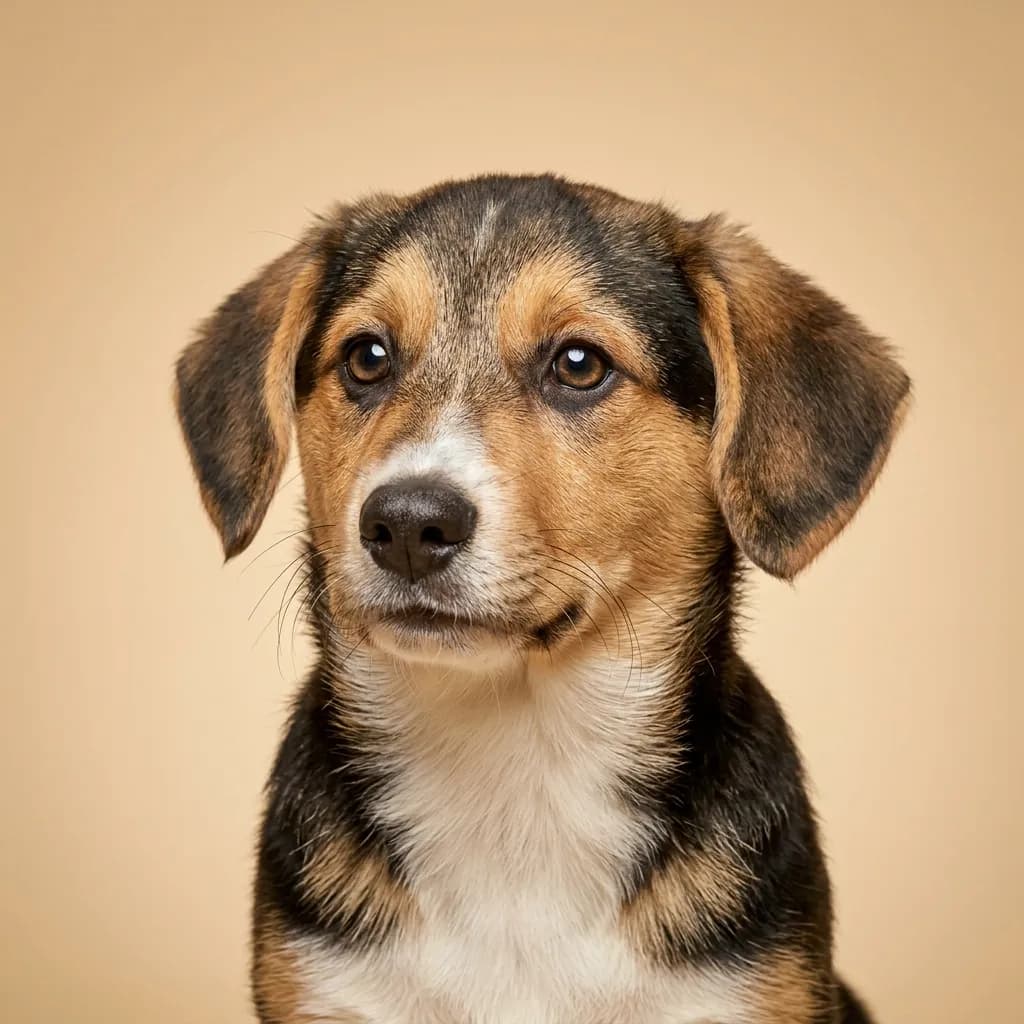
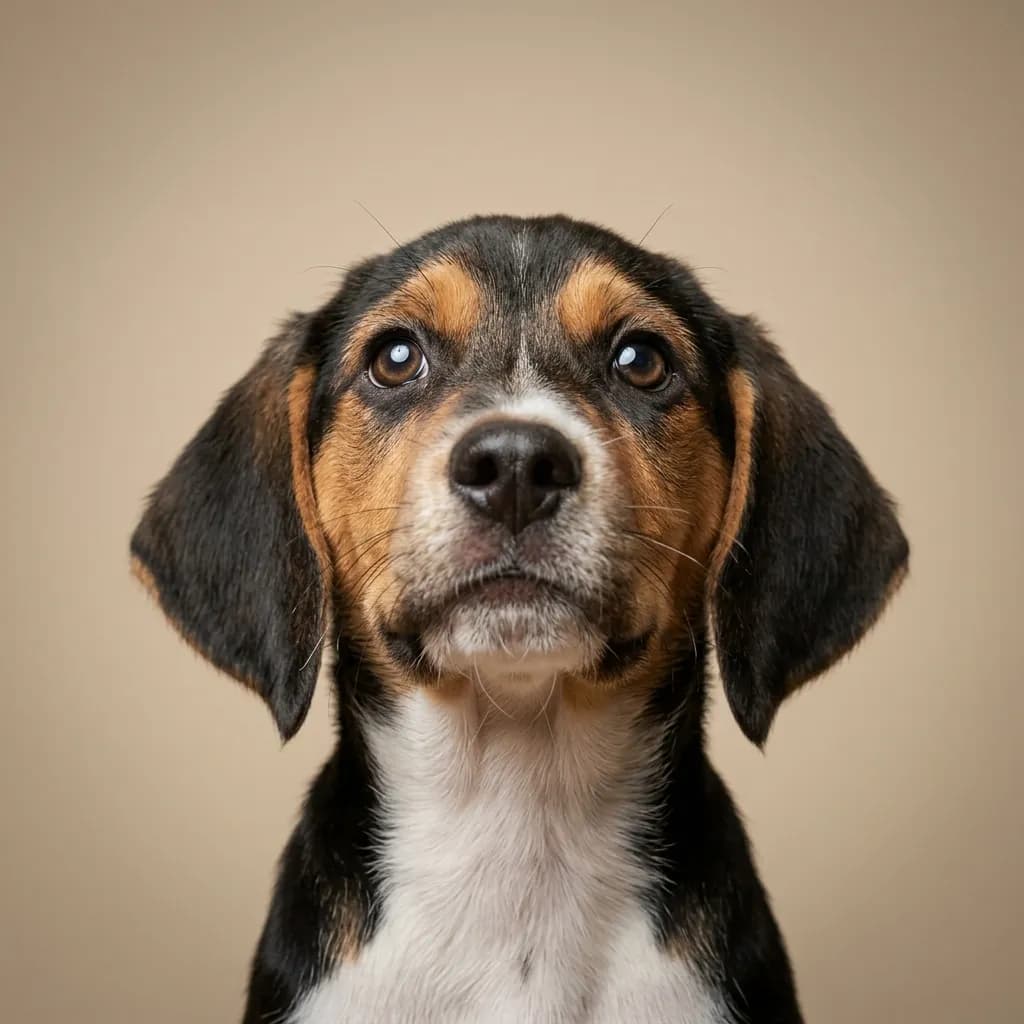
People compare the Drever and Harrier because they’re both medium-sized hounds built for hunting on foot, and they look vaguely similar at a glance. low to the ground, sturdy, with floppy ears and a nose always working. But their paths diverge fast once you live with them. The Drever is the compact Viking of the two, bred in Sweden to drive deer through snow and dense forest. At 12 to 15 inches tall and under 40 pounds, it’s a tireless worker with a big voice and a bigger work ethic. It’s incredibly trainable, thrives in cold climates, and bonds tightly with its family. But don’t be fooled by its size. it needs space and purpose. A Drever in an apartment with a short fence will become a barking, bored escape artist. It’s loyal and great with kids, but its adaptability score is low for a reason. It wants to be outside, tracking, working, covering ground. The Harrier, meanwhile, is taller, heavier. up to 60 pounds. and built for endurance across open fields. Originating in England to hunt hare in packs, it’s more social, more vocal, and slightly less intense in training but still sharp. It’s slightly more adaptable than the Drever, happy in rural homes with active families, but it’s not a city dog. And while both breeds bay, the Harrier’s bark is louder and more frequent. Here’s the real difference beyond the numbers: Drevers are focused partners, almost like a scent-driven border collie in drive but without the herding intensity. Harriers are pack animals at heart. they want company, human or canine, and struggle with isolation. Pick the Drever if you hunt, hike in cold terrain, or want a trainable, determined companion. Choose the Harrier if you’ve got space, love a vocal hound with people-loving charm, and live where a pack mentality fits your lifestyle.
Trait-by-trait
Higher bar = more of that trait. Shedding, barking, drooling, grooming flipped for readability.Where they diverge
Choose the Drever if…
- hunters
- active families in cold climates
- outdoor adventurers
- You value trainability — Drever scores noticeably higher.
Choose the Harrier if…
- Active families
- Hunters
- Rural living
- You value affectionate w/ family — Harrier scores higher here.