Drever vs Russell Terrier
Side-by-side comparison across all 14 AKC trait ratings, with a clear verdict on which breed fits which kind of household.

Not sure which breed fits your life?
Answer five questions about your home, your schedule, and your tolerance for shedding. We’ll match you to your top three breeds from over 200.
Drever vs Russell Terrier
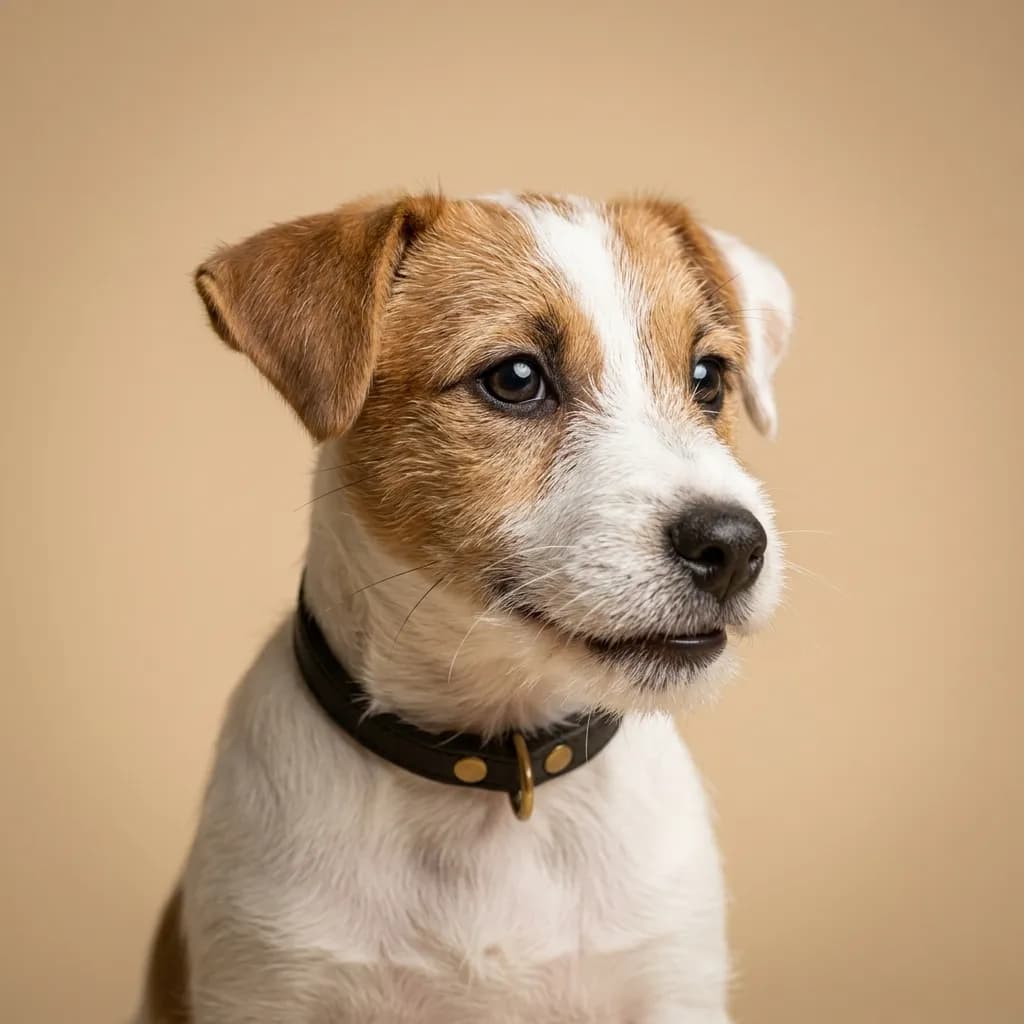
People compare the Drever and Russell Terrier because both are compact, high-energy hunting breeds with short legs and big personalities. At first glance they seem like distant cousins on a breed chart, but in real life, they’re built for entirely different kinds of chaos. The Drever is the calm-in-the-storm Nordic scout. At 35 to 40 pounds, it’s substantially larger than the Russell Terrier, built to track deer for hours through snow-covered forests. It’s eager to please, thrives on routine, and bonds deeply with active families. You’ll need a yard with secure fencing and someone who can match its steady stamina. It’s not a bark-for-nothing dog, but when it opens its mouth, hunters in the next county might hear it. This breed adapts okay to cold climates but poorly to small apartments or passive lifestyles. The Russell Terrier, weighing under 15 pounds, is pure ignition in fur form. Bred to bolt foxes from tight dens, it’s fearless, mentally sharp, and constantly scanning for projects. like dismantling your garden or chasing squirrels into traffic. It’s affectionate with its people but can be scrappy with other animals and less predictable around young kids. Training requires patience; they’re clever but opinionated. You’ll need time for dog sports or serious daily puzzles, or this little engine will find its own entertainment. usually destructive. Here’s the real difference: Drevers work with you. Russell Terriers work through you. If you want a loyal, trainable partner for outdoor life in cold weather, go Drever. If you want a fiery, independent athlete who’ll keep you on your toes in suburbs or sports rings, the Russell Terrier might be your match. Just know. neither will let you be boring.
Trait-by-trait
Higher bar = more of that trait. Shedding, barking, drooling, grooming flipped for readability.Where they diverge
Choose the Drever if…
- hunters
- active families in cold climates
- outdoor adventurers
- You value good with young children — Drever scores noticeably higher.
Choose the Russell Terrier if…
- Active owners
- Dog sports enthusiasts
- Families with older children
- You value mental stimulation needs — Russell Terrier scores higher here.