Drever vs Stabyhoun
Side-by-side comparison across all 14 AKC trait ratings, with a clear verdict on which breed fits which kind of household.
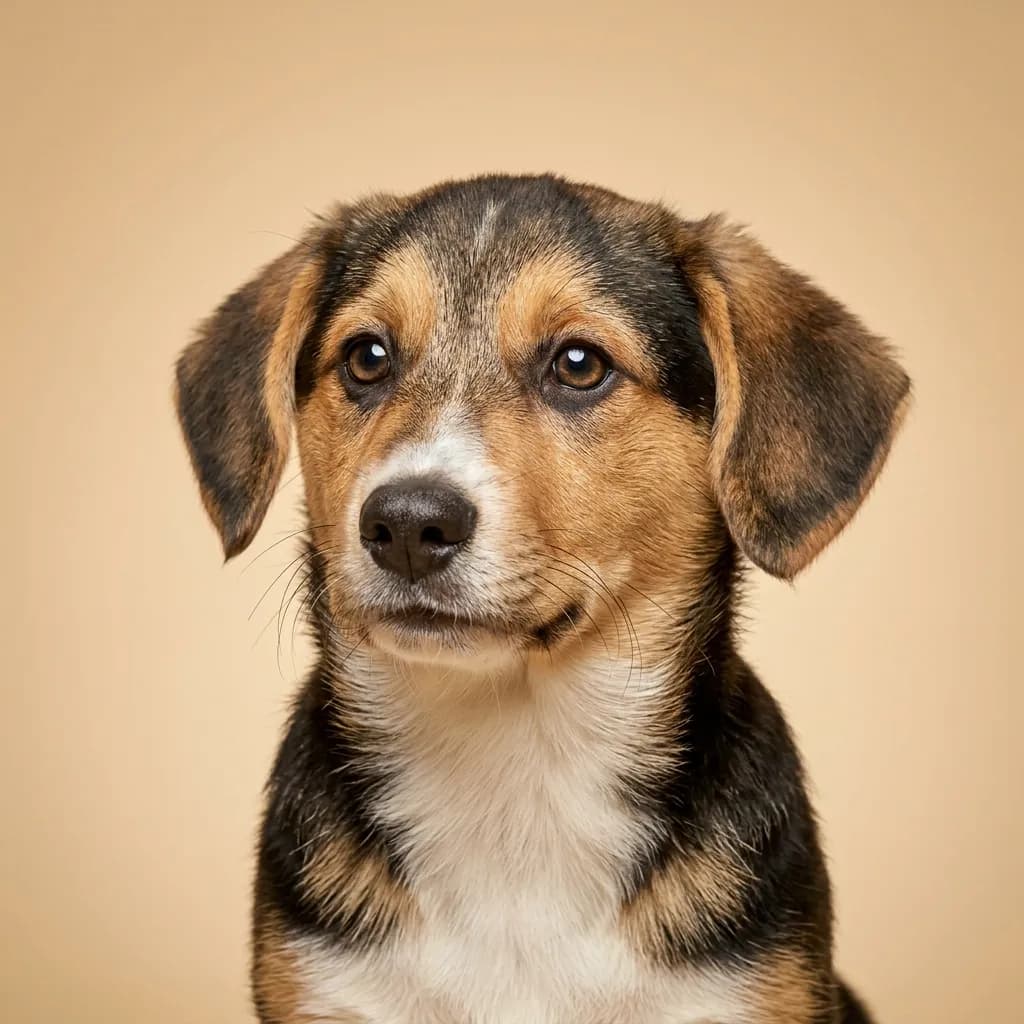
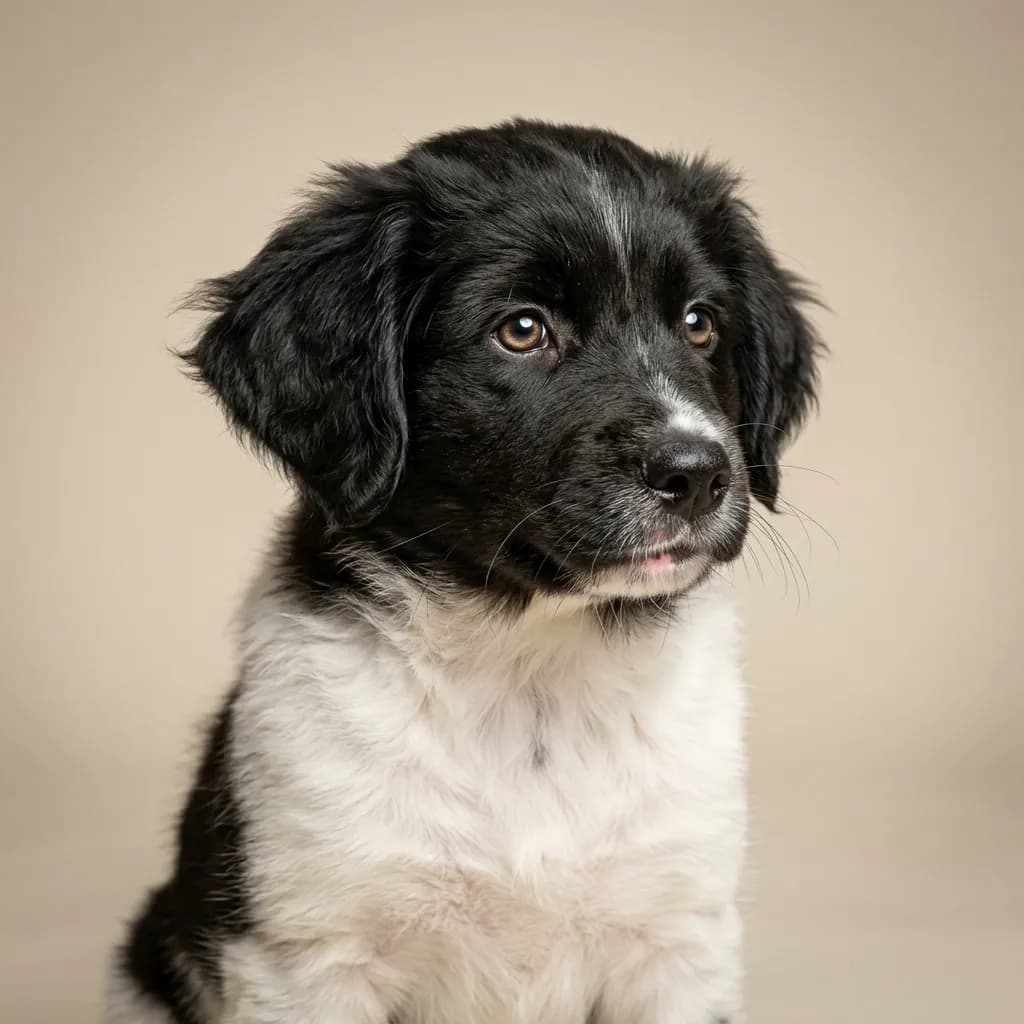
Not sure which breed fits your life?
Answer five questions about your home, your schedule, and your tolerance for shedding. We’ll match you to your top three breeds from over 200.
Drever vs Stabyhoun
You don’t see Drevers or Stabyhouns at dog parks often. both are rare, both are hunters, and both will happily outwork you on a rainy hike. People compare them because they’re obscure, medium-to-large sporting breeds with calm heads and serious stamina. But that’s where the similarity ends. The Drever is a scent hound built for cold, dense forests. At 12 to 15 inches tall, it’s short but tough, bred to drive deer toward hunters without quitting. It’s extremely trainable and thrives on tracking, but it’s also loud. expect baying when it catches a trail. It bonds tightly with active families in northern climates, but don’t try keeping one in an apartment. It needs space, secure fencing, and a job. Without one, it’ll find its own. like digging under a fence at 6 a.m. to follow a squirrel’s path for miles. The Stabyhoun, taller and more substantial, is the Dutch farmhand of hunting dogs. calm indoors, relentless in the field. It’s a natural retriever with a soft mouth and an eagerness to please that borders on intuitive. It’s quieter than the Drever, more adaptable to suburban life (though still needs serious daily exercise), and deeply affectionate with kids. But it’s not a couch potato. This dog craves mental work. agility, obedience, dock diving. and without it, subtle frustration can turn into obsessive behaviors. Choose the Drever if you’re a hunter or live on acreage in a cold region and want a determined, nose-to-the-ground partner. Pick the Stabyhoun if you want a versatile, trainable companion for dog sports and family life, and you’re ready to engage its brain every single day. Here’s the truth the breeders won’t shout: both are rare for a reason. They’re not easy. But if you match their needs, they’ll outlove and outwork any dog you’ve ever had.
Trait-by-trait
Higher bar = more of that trait. Shedding, barking, drooling, grooming flipped for readability.Where they diverge
Choose the Drever if…
- hunters
- active families in cold climates
- outdoor adventurers
- You value good with other dogs — Drever scores noticeably higher.
Choose the Stabyhoun if…
- active families
- hunters and waterfowl retrievers
- dog sport enthusiasts
- You value affectionate w/ family — Stabyhoun scores higher here.