Dutch Shepherd vs Pyrenean Shepherd
Side-by-side comparison across all 14 AKC trait ratings, with a clear verdict on which breed fits which kind of household.
Not sure which breed fits your life?
Answer five questions about your home, your schedule, and your tolerance for shedding. We’ll match you to your top three breeds from over 200.
Dutch Shepherd vs Pyrenean Shepherd
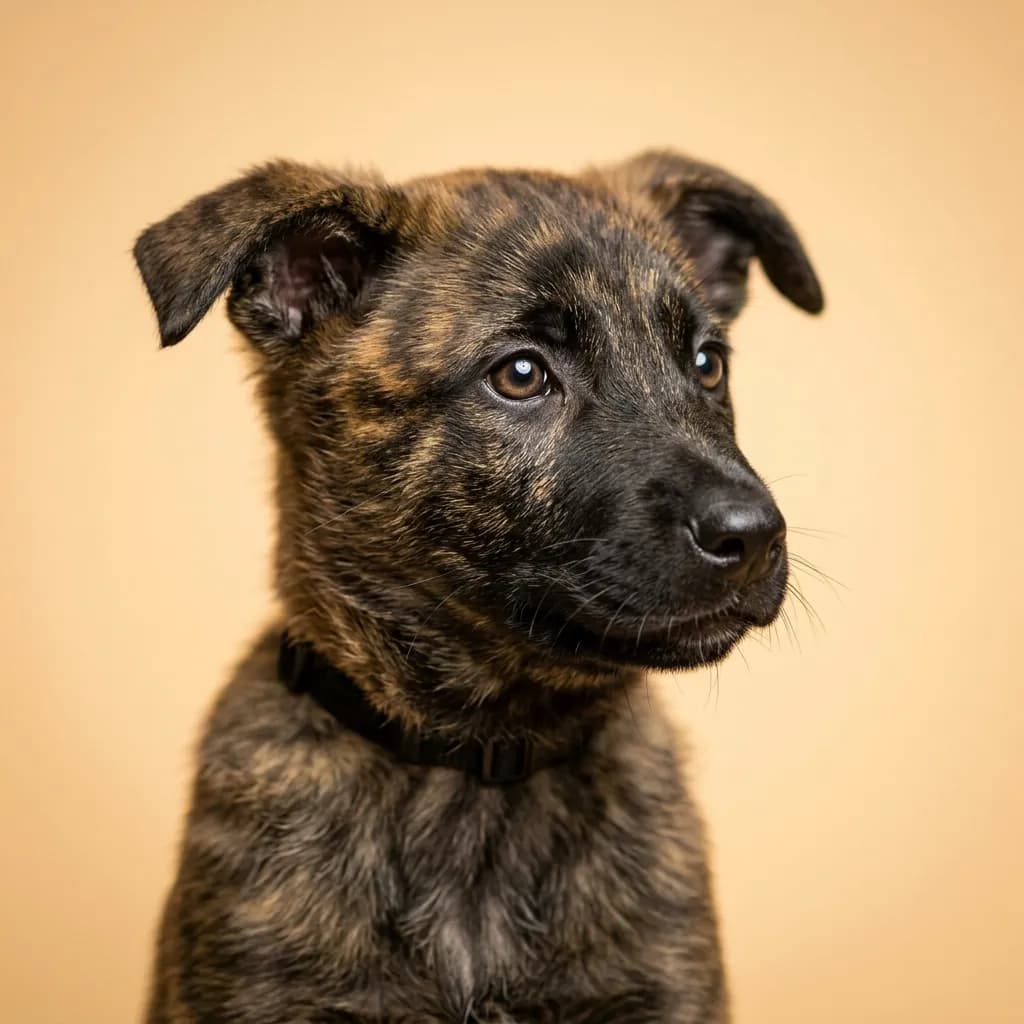
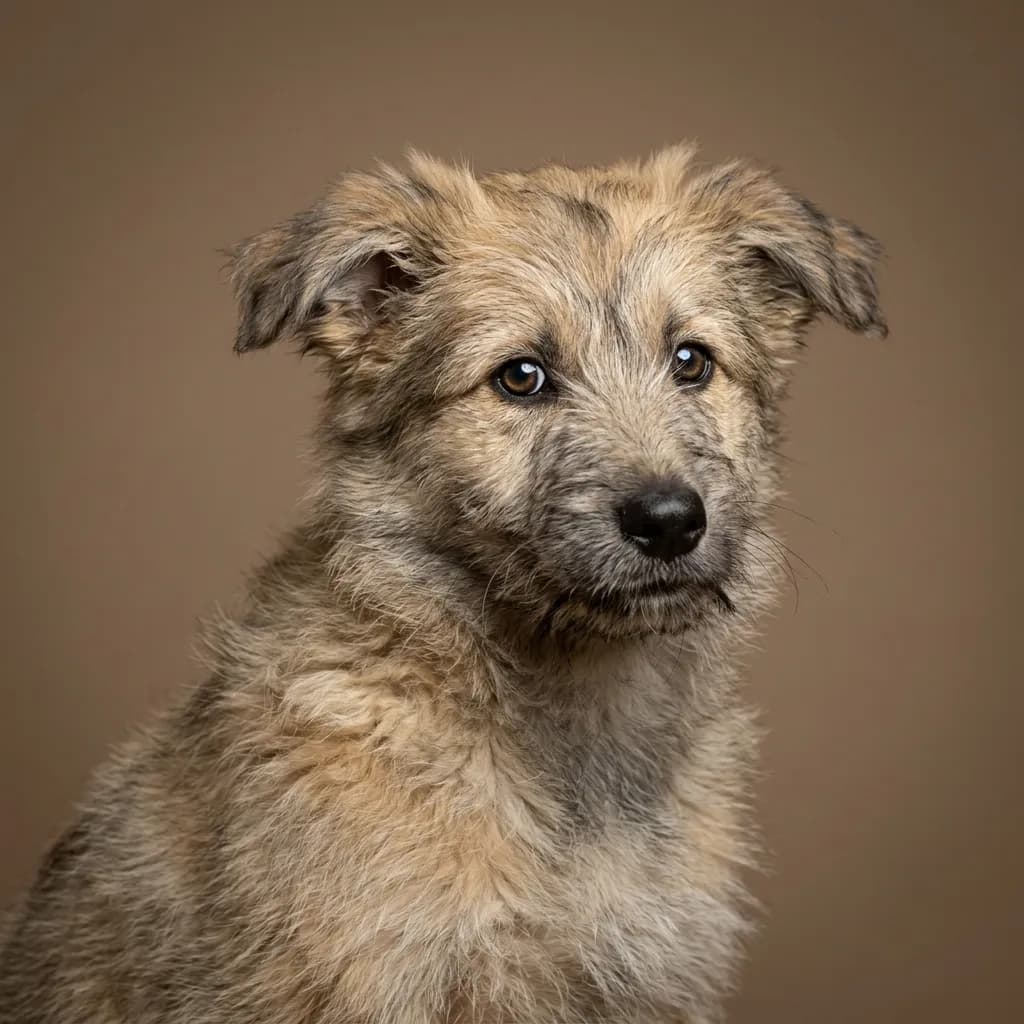
People compare Dutch Shepherds and Pyrenean Shepherds because they’re both rare, high-drive herding breeds that look a little like smaller, scrappier versions of the more popular German Shepherd or Border Collie. But here’s the real story: they’re built for different worlds, and choosing between them isn’t just about size or price. it’s about rhythm. The Dutch Shepherd is a powerhouse. 22 inches of muscle, built to cover ground and make decisions fast. It’s bred to work all day on flat Dutch farmland, and it shows. This dog thrives on structure, big spaces, and jobs with stakes. It’s deeply affectionate with its people but reserved with strangers, and it needs a handler who speaks “dog” fluently. Without serious mental and physical challenges, it will rewire your houseplants just to feel alive. It’s not for new owners. Period. The Pyrenean Shepherd is lighter, quicker, wiry or curly coated, and built for the steep, rocky Pyrenees. It’s got the same 5/5 energy and smarts, but its intensity is more like a live wire. constantly tuned into its handler, more vocal (hence the 4/5 bark), and intensely bonded. It’s the kind of dog that follows you from room to room, not out of neediness, but because separation feels dangerous to it. It adapts slightly better to smaller spaces. not because it needs less exercise, but because its focus is so handler-centric. Here’s the insight no one talks about: the Dutch Shepherd wants to work with you as a partner in a task. The Pyrenean Shepherd wants to be you. If you’re gone often, even with training, the Pyrenean will suffer more emotionally. But if you’re home and active, it’s magic. Choose the Dutch if you want a loyal, independent athlete. Choose the Pyrenean if you want a soulmate with fur who happens to also dominate in agility.
Trait-by-trait
Higher bar = more of that trait. Shedding, barking, drooling, grooming flipped for readability.Where they diverge
Choose the Dutch Shepherd if…
- Active individuals
- Experienced dog owners
- Police and military work
Choose the Pyrenean Shepherd if…
- Highly active owners
- Dog sports enthusiasts
- Herding enthusiasts
- You value barking level — Pyrenean Shepherd scores higher here.