Dutch Shepherd vs Wetterhoun
Side-by-side comparison across all 14 AKC trait ratings, with a clear verdict on which breed fits which kind of household.

Not sure which breed fits your life?
Answer five questions about your home, your schedule, and your tolerance for shedding. We’ll match you to your top three breeds from over 200.
Dutch Shepherd vs Wetterhoun
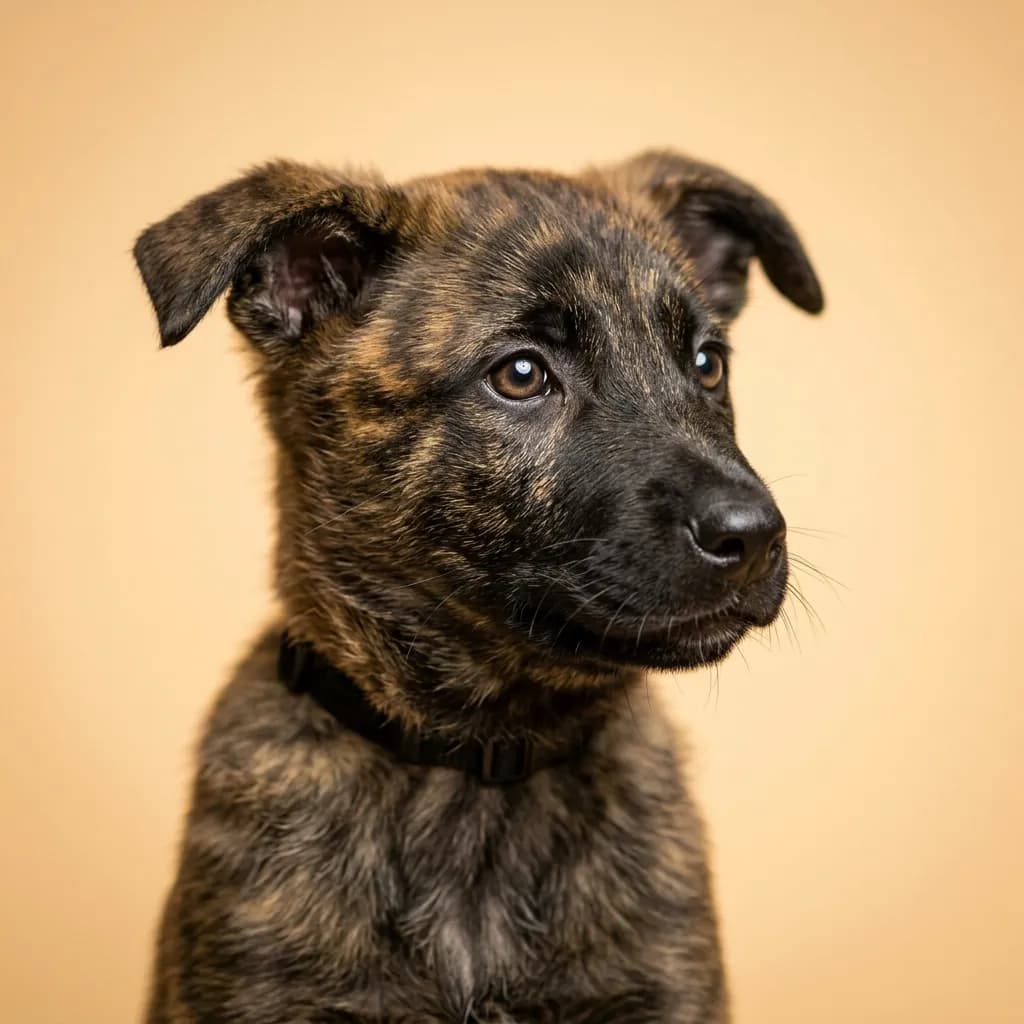
People compare Dutch Shepherds and Wetterhouns because they’re both Dutch, rare, and look vaguely rugged in that “I work hard and don’t care” way. But that’s where the similarities end. If you’re choosing between them, you’re not just picking a dog. you’re picking a lifestyle. The Dutch Shepherd is a driven, high-octane athlete built for motion. Think agility courses, herding trials, or beating you at puzzle games. These dogs need jobs. Without one, they’ll find their own. usually involving your couch cushions and a one-dog demolition derby. They’re sharp, intensely loyal, and bond deeply with their people, but they demand time, training, and space. You don’t own a Dutch Shepherd. You partner with one. They’re not great for first-time owners because they’ll exploit any hesitation like a dog-sized management consultant. The Wetterhoun? That’s a whole different beast. Rare even in the Netherlands, this curly-coated water hunter is calm, independent, and surprisingly quiet. They’re not hyperactive go-getters. Instead, they’re stoic, loyal companions bred to work alone in cold marshes, flushing otters and birds. They’re affectionate with their family but reserved with strangers. Their coat doesn’t shed much, but it needs maintenance. think monthly grooming sessions to prevent felting. They’re adaptable to rural life, especially near water, and thrive with hunters or active owners who appreciate a dog that’s steady, not speedy. Here’s the real insight: Dutch Shepherds need you to lead. Wetterhouns need you to respect their independence. Pick the Shepherd if you want a relentless teammate. Pick the Wetterhoun if you want a quiet partner who’d rather swim through a ditch than jump through hoops.
Trait-by-trait
Higher bar = more of that trait. Shedding, barking, drooling, grooming flipped for readability.Where they diverge
Choose the Dutch Shepherd if…
- Active individuals
- Experienced dog owners
- Police and military work
- You value watchdog / protective — Dutch Shepherd scores noticeably higher.
Choose the Wetterhoun if…
- hunters
- active rural owners
- experienced sporting dog owners