Eurasier vs Harrier
Side-by-side comparison across all 14 AKC trait ratings, with a clear verdict on which breed fits which kind of household.

Not sure which breed fits your life?
Answer five questions about your home, your schedule, and your tolerance for shedding. We’ll match you to your top three breeds from over 200.
Eurasier vs Harrier
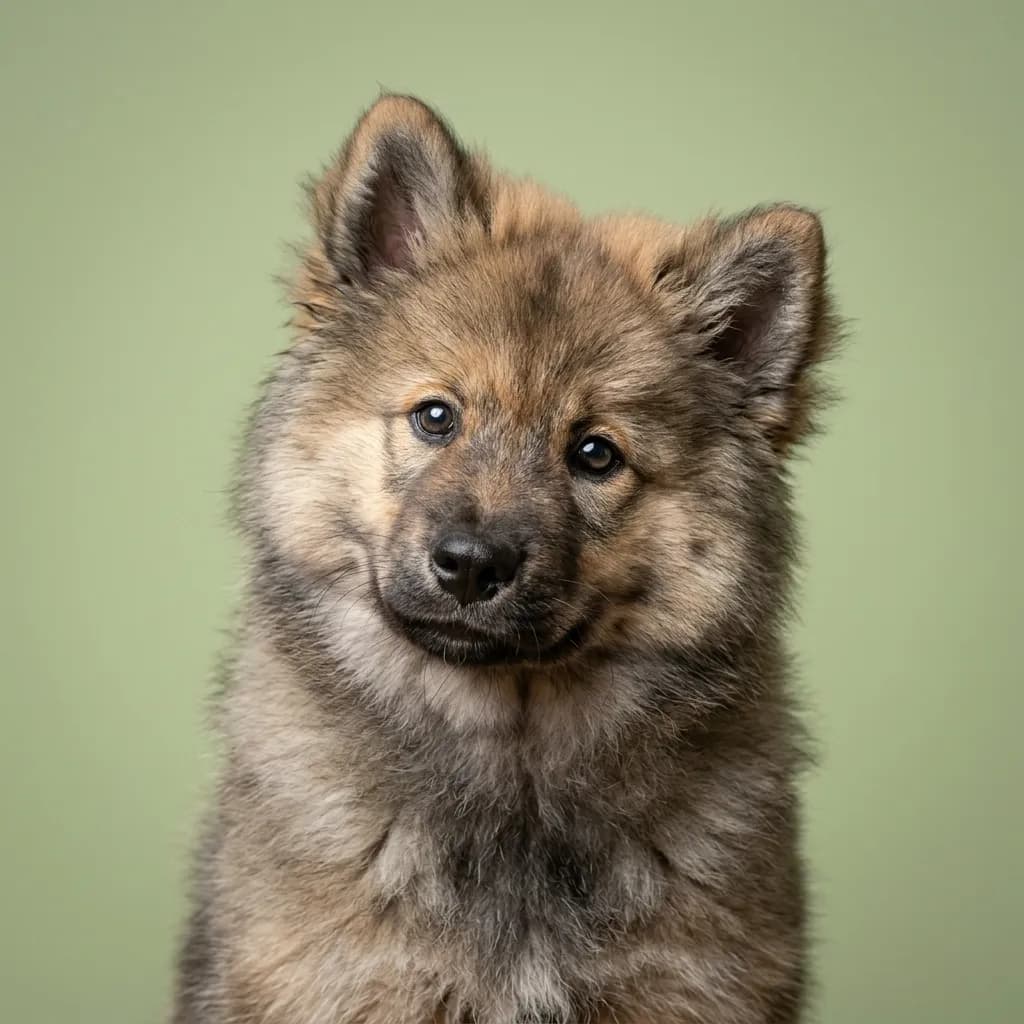
You’re not going to find these two dogs side by side at a dog park, but somehow people keep comparing the Eurasier and the Harrier. probably because both are medium-sized, relatively rare, and have that “handsome, dog-next-door” look. But that’s where the similarities end. Think of it this way: the Eurasier is the thoughtful, well-read friend who brings a homemade casserole to a dinner party, while the Harrier is the enthusiastic cousin who shows up with a six-pack and wants to drag everyone on a 5-mile hike. The Eurasier, bred for calm companionship in post-war Germany, thrives in a predictable, quiet home. It's reserved with strangers but deeply loyal to its family, offering affection without neediness. It handles cold weather like a champ and won’t destroy your couch, but it does need patient handling. this isn’t a breed that forgives clueless training. It’s the dog you choose when you want a poised, gentle presence and have the experience to understand subtle dog communication. The Harrier, on the other hand, was built to run hare in packs all day. It's outgoing, loud, and happiest when moving. You’ll need a yard, time for daily vigorous walks, and tolerance for baying. lots of it. But if you’re active, social, and love being around a dog that’s genuinely thrilled to be alive, the Harrier bonds fast and hard with kids and adults alike. Here’s what the data won’t tell you: the Eurasier’s silence can be mistaken for aloofness, but it’s really just thoughtfulness. The Harrier’s constant cheer? It’s not always joy. it’s often obsession. If you want a dog that feels like part of the family without demanding the spotlight, go Eurasier. If you want a partner in adventure who’ll greet every squirrel like a long-lost friend, get the Harrier.
Trait-by-trait
Higher bar = more of that trait. Shedding, barking, drooling, grooming flipped for readability.Where they diverge
Choose the Eurasier if…
- families seeking a calm companion
- homes with children
- experienced but patient owners
- You value coat grooming — Eurasier scores noticeably higher.
Choose the Harrier if…
- Active families
- Hunters
- Rural living
- You value good with other dogs — Harrier scores higher here.