Eurasier vs Italian Greyhound
Side-by-side comparison across all 14 AKC trait ratings, with a clear verdict on which breed fits which kind of household.

Not sure which breed fits your life?
Answer five questions about your home, your schedule, and your tolerance for shedding. We’ll match you to your top three breeds from over 200.
Eurasier vs Italian Greyhound
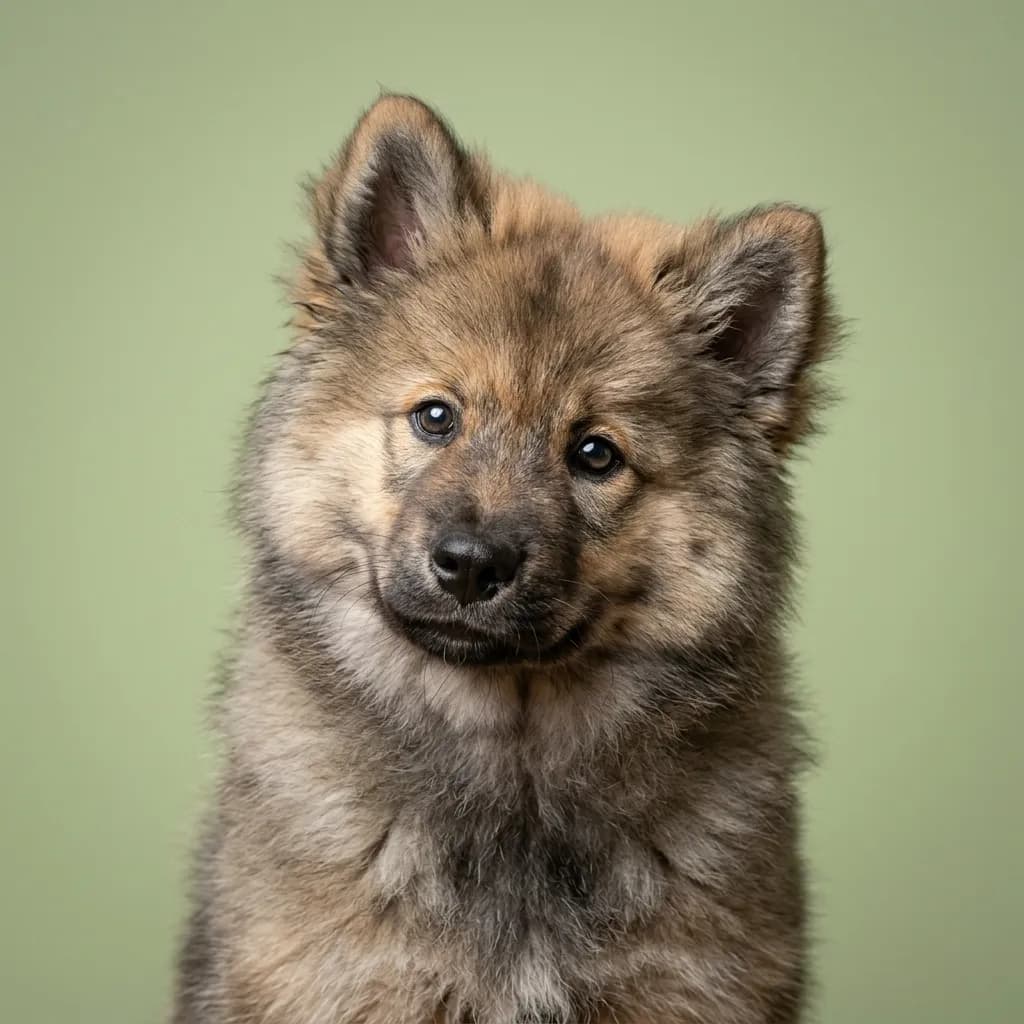
People compare the Eurasier and Italian Greyhound because both are elegant, reserved with strangers, and bond fiercely to their people. On paper, they even share energy and trainability scores. But bring one home and you’ll realize these dogs live in completely different worlds. The Eurasier is the sturdy, thoughtful companion built for real life. At 50 pounds with a thick double coat, this spitz-type thrives in cold climates and stands calmly beside your kids at soccer practice. They’re not hyper, but they want to be part of the household rhythm. hiking, errands, or just lounging with quiet confidence. You’ll need patience; they’re sensitive to tone and won’t respond to heavy-handed training. They shed moderately and need weekly brushing, but their devotion to families earns every bit of that 4/5 affection rating. The Italian Greyhound, by contrast, is a delicate sculpture that breathes. At just 10 pounds, they’re built from silk and speed. They’ll sprint across the room for joy, then tuck into your sweater for warmth. They’re deeply affectionate. 5/5 isn’t an exaggeration. but their fragility means toddlers are a hazard. You can’t leave them outside in winter, not even for a minute. And while they’re trainable, one loud noise or sudden move and they might bolt. This isn’t a dog for chaos. Here’s the truth the breed standards don’t spell out: the Eurasier grows into your life. The Italian Greyhound demands you reshape yours. Pick the Eurasier if you want a balanced, loyal family presence. Choose the Italian Greyhound only if you can offer a soft, predictable world. and don’t mind carrying a dog-sized sweater everywhere you go.
Trait-by-trait
Higher bar = more of that trait. Shedding, barking, drooling, grooming flipped for readability.Where they diverge
Choose the Eurasier if…
- families seeking a calm companion
- homes with children
- experienced but patient owners
- You value coat grooming — Eurasier scores noticeably higher.
Choose the Italian Greyhound if…
- Apartment dwellers
- Seniors
- Gentle families
- You value good with strangers — Italian Greyhound scores higher here.