Eurasier vs Wetterhoun
Side-by-side comparison across all 14 AKC trait ratings, with a clear verdict on which breed fits which kind of household.

Not sure which breed fits your life?
Answer five questions about your home, your schedule, and your tolerance for shedding. We’ll match you to your top three breeds from over 200.
Eurasier vs Wetterhoun
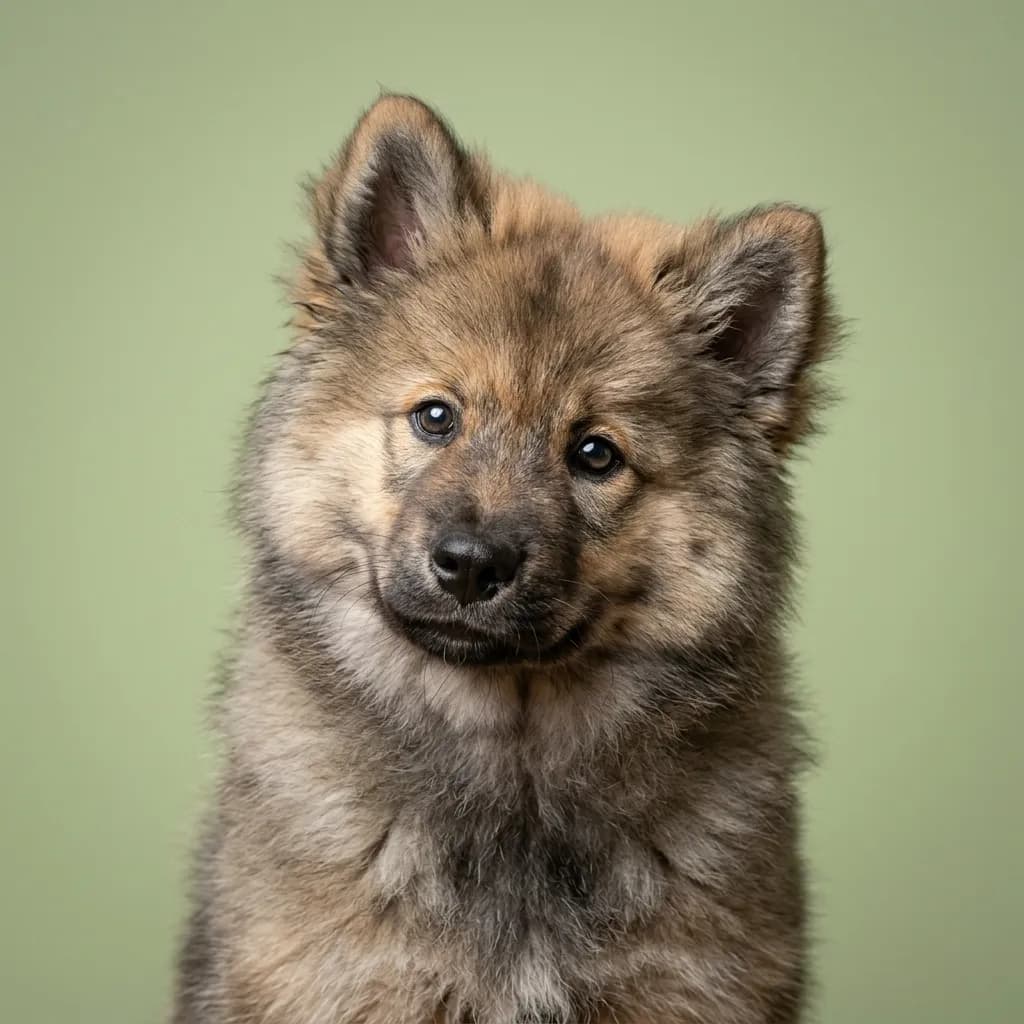
You’re probably comparing a Eurasier and a Wetterhoun because they’re both rare, both built for cold climates, and both look like they wandered out of a Nordic fairy tale. But that’s where the similarities fade. These dogs come from different worlds. both literally and in purpose. The Eurasier is the polished, well-mannered diplomat of the two. Bred in post-war Germany to be a balanced companion, it’s calm without being lazy, affectionate without being clingy. You’ll find a Eurasier lounging gracefully in a family living room, tolerating kids with quiet dignity, thriving in a home where routine and respect are givens. It’s not a high-energy dog, but it does need meaningful interaction. this isn’t a pet that’ll do fine alone all day. It’s moderately trainable, but has that classic spitz independence that says, “I’ll do it when I’m ready.” The Wetterhoun? That’s a different beast entirely. Descended from Dutch water hunters, this dog was bred to track otters through marshes and swim in icy wetlands. It’s rugged, determined, and far less concerned with social graces. While it bonds fiercely with its family, it demands real work. mental and physical. Without a job or serious outdoor access, it’ll turn restless or withdrawn. It’s not the kind of dog that adapts to you. You have to adapt to it. Here’s the truth beyond the numbers: the Wetterhoun’s low scores in traits aren’t data gaps. they’re red flags for the unprepared. This breed doesn’t just need training. It needs a mission. If you’re looking for a calm, adaptable family dog, the Eurasier wins hands down. But if you’re a rural, active owner with outdoor pursuits and experience handling driven dogs, the Wetterhoun could be your once-in-a-lifetime partner. Choose character, not just coat.
Trait-by-trait
Higher bar = more of that trait. Shedding, barking, drooling, grooming flipped for readability.Where they diverge
Choose the Eurasier if…
- families seeking a calm companion
- homes with children
- experienced but patient owners
- You value good with young children — Eurasier scores noticeably higher.
Choose the Wetterhoun if…
- hunters
- active rural owners
- experienced sporting dog owners