Greyhound vs Hamiltonstovare
Side-by-side comparison across all 14 AKC trait ratings, with a clear verdict on which breed fits which kind of household.

Not sure which breed fits your life?
Answer five questions about your home, your schedule, and your tolerance for shedding. We’ll match you to your top three breeds from over 200.
Greyhound vs Hamiltonstovare
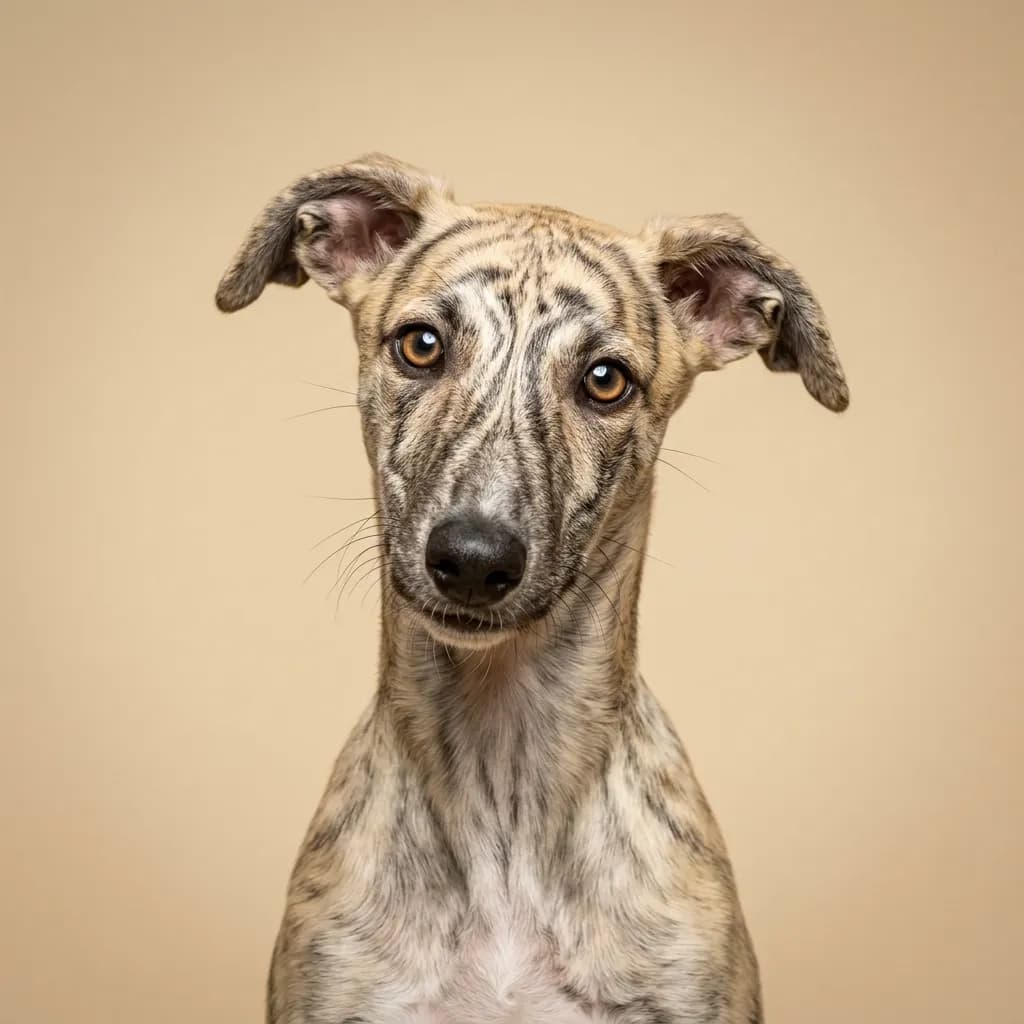
You don’t see these two compared often, but when you do, it’s usually someone enchanted by sleek, elegant hounds and trying to decide between quiet grace and rustic stamina. The Greyhound and Hamiltonstovare both carry that noble hound poise, but they’re built for entirely different worlds. The Greyhound is the athlete who naps between sprints. Lean, lightning-fast, and oddly couch-potato calm indoors, they’re the poster child for “40 mph couch potato.” They thrive in homes that appreciate their quiet dignity and don’t mind their sensitivity to anesthesia or risk of bloat. If you live in an apartment, work long hours, and want a serene companion who zooms once a day then crashes, they’re magic. But don’t expect them to come when called off-leash. once they spot movement, that switch flips. The Hamiltonstovare, on the other hand, is built for the Swedish forest. Medium-sized, rugged, and driven by scent, they’re the kind of dog that wakes up ready to work. They’re more adaptable to families with kids, scoring a solid 5/5 for kid-friendliness, but they need space and purpose. This isn’t a dog to leave in a backyard; they’ll howl, dig, or disappear. They’re better suited to rural homes where hunting or tracking trials are part of life. Here’s the real insight: The Greyhound is a specialist in speed and stillness, while the Hamiltonstovare is a generalist built for endurance and engagement. If you want a dog that’s part of your quiet daily rhythm, go Greyhound. If you want a partner for active, outdoor life with a nose always to the wind, choose the Hamiltonstovare. One soothes your soul. The other stokes your adventure.
Trait-by-trait
Higher bar = more of that trait. Shedding, barking, drooling, grooming flipped for readability.Where they diverge
Choose the Greyhound if…
- Apartment dwellers (surprisingly calm indoors)
- Adoption-minded owners (many ex-racers)
- Low-maintenance coat owners
- You value good with other dogs — Greyhound scores noticeably higher.
Choose the Hamiltonstovare if…
- Hunters
- Active families
- Rural living
- You value good with young children — Hamiltonstovare scores higher here.