Greyhound vs Mudi
Side-by-side comparison across all 14 AKC trait ratings, with a clear verdict on which breed fits which kind of household.
Not sure which breed fits your life?
Answer five questions about your home, your schedule, and your tolerance for shedding. We’ll match you to your top three breeds from over 200.
Greyhound vs Mudi
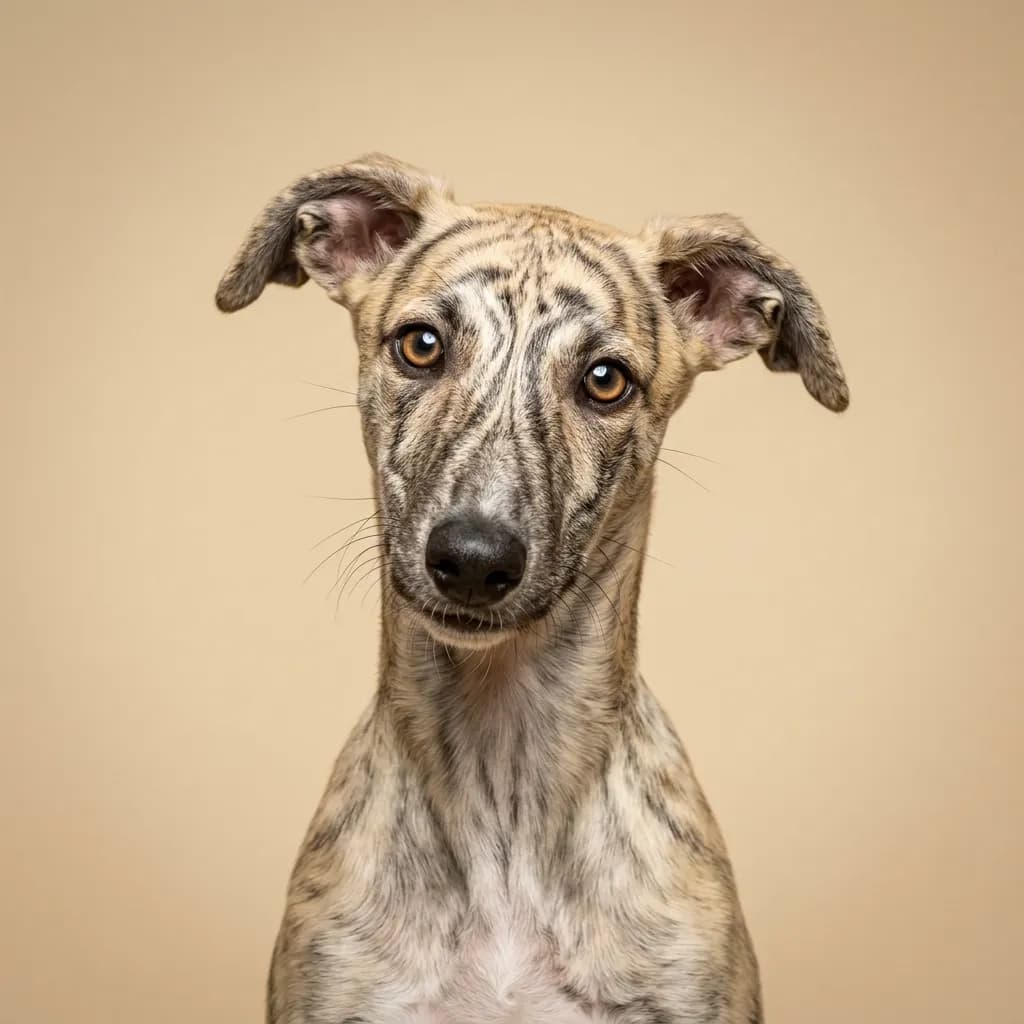
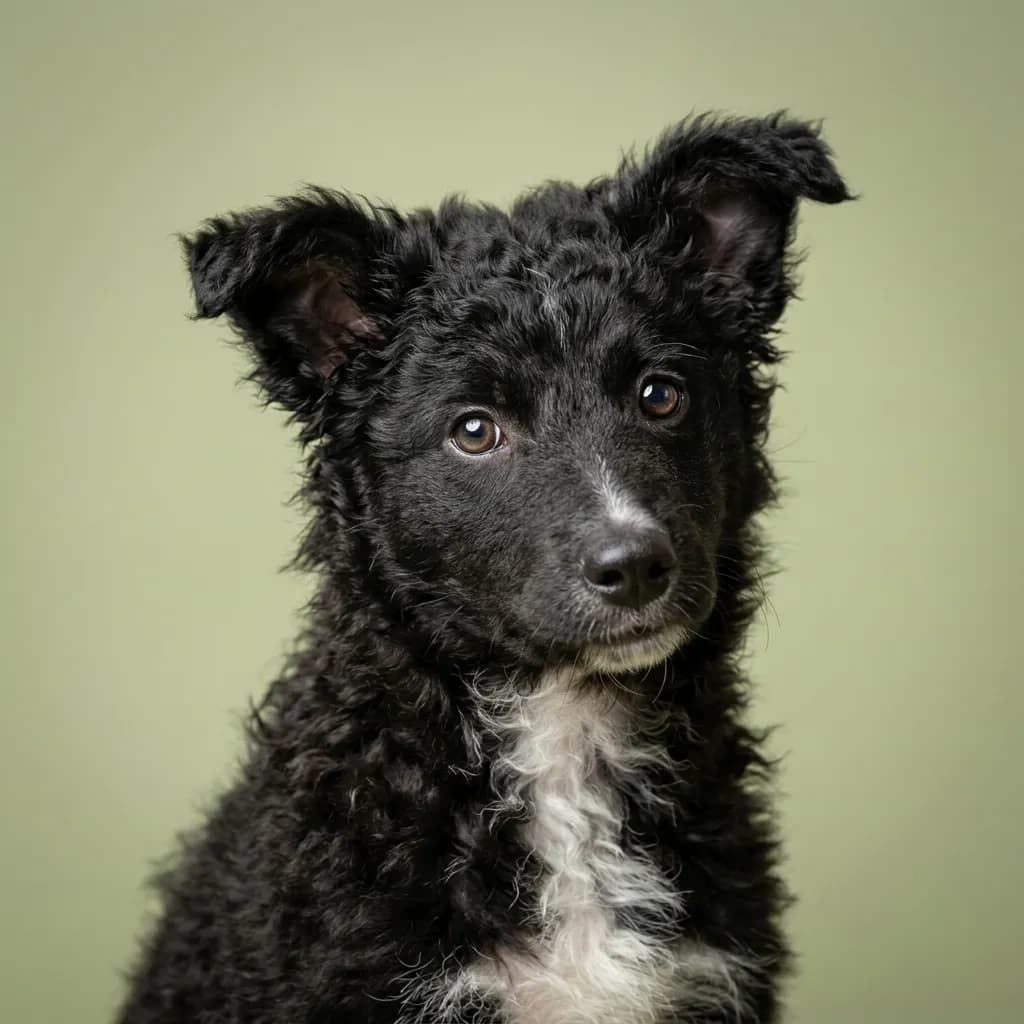
You’re not going to see a Greyhound and a Mudi side by side at the dog park every day, but people end up comparing them when they’re after something specific: a rare breed with soul, a dog that’s smart but not needy, and a unique companion that doesn’t fit the Lab mold. Both are low-shedders with sleek coats and alert eyes, and both can surprise you with how attached they get to their people. But that’s where the road splits. The Greyhound is the ultimate paradox. A racing veteran capable of 45 mph, it will spend 20 hours a day asleep on your couch. They’re gentle, dignified, and deeply sensitive. some won’t even bark at the mailman. But don’t be fooled by the calm. They’re sight hounds, which means if a squirrel zips across the yard, they’ll bolt without a second thought. Off-leash freedom? Forget it unless you’ve got a fenced fortress. And if you have a house full of cats or hamsters, you’re playing Russian roulette. The Mudi, meanwhile, is like a coiled spring in a sheepdog’s coat. Energetic, sharp, and built for action, this Hungarian herder lives to work. They thrive in homes where dog sports, hiking, or farm life keep them busy. They’re trainable to a fault. one owner taught their Mudi to operate a light switch in a week. but they need a job. Left alone too long or under-stimulated, they’ll start “herding” your kids or barking at shadows. Here’s the real talk: Greyhounds are couch philosophers. Mudis are startup CEOs. If you want quiet elegance and don’t mind a dog that’s emotionally intuitive but physically unpredictable, go Greyhound. If you want a tireless partner who’ll learn tricks, hike ridgelines, and outthink you, the Mudi’s your match. Just don’t expect either to act like a “normal” dog. Neither one will.
Trait-by-trait
Higher bar = more of that trait. Shedding, barking, drooling, grooming flipped for readability.Where they diverge
Choose the Greyhound if…
- Apartment dwellers (surprisingly calm indoors)
- Adoption-minded owners (many ex-racers)
- Low-maintenance coat owners
- You value good with other dogs — Greyhound scores noticeably higher.
Choose the Mudi if…
- Active families
- Experienced herding breed owners
- Dog sport enthusiasts
- You value playfulness — Mudi scores higher here.