Greyhound vs Tosa
Side-by-side comparison across all 14 AKC trait ratings, with a clear verdict on which breed fits which kind of household.
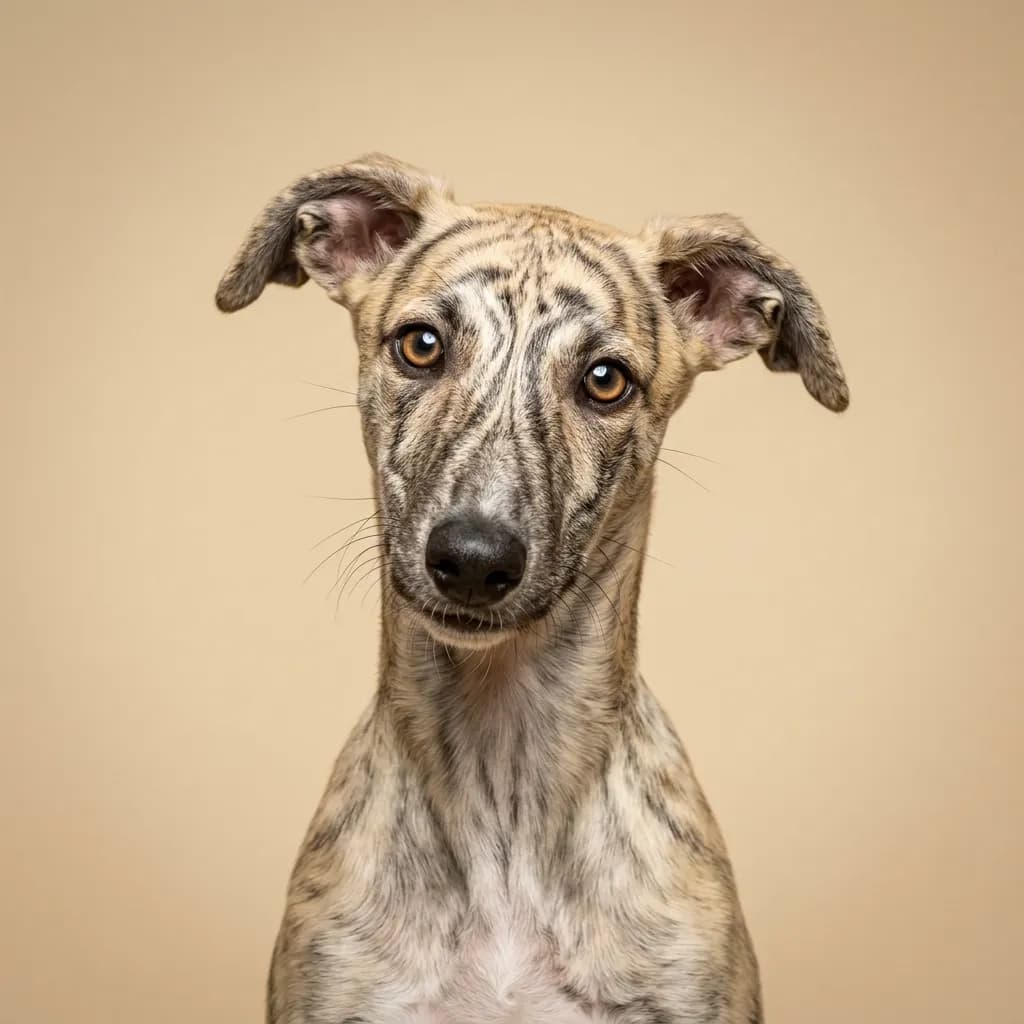

Not sure which breed fits your life?
Answer five questions about your home, your schedule, and your tolerance for shedding. We’ll match you to your top three breeds from over 200.
Greyhound vs Tosa
People compare Greyhounds and Tosas because they’re both large, dignified dogs with an almost regal stillness. At first glance, they seem like calm giants. but that’s where the similarity ends. You’re not just choosing a breed, you’re choosing a lifestyle. The Greyhound is the athlete who crashes on the couch. Built for explosive speed, yes, but don’t let the track background fool you. Most of your time with a Greyhound is spent watching them nap in a sunbeam. They’re light on their feet, easy in the home, and adapt well to city living. If you’re in an apartment but want a big dog, this could be your match. Just keep in mind. they’ll chase anything that moves. Squirrels, birds, even leaves. And if you have a rabbit or cat at home, it’s a hard no. The Tosa is a different kind of quiet. This dog carries weight. literally and energetically. Bred for dog fighting in Japan, modern Tosas are bred for companionship, but their temperament demands respect. They’re not reactive, but they’re intensely aware. You need space, a solid fence, and the confidence to lead. They’re not for新手 owners. Even well-trained Tosas have a presence that can unsettle other dogs. and some landlords. Here’s the truth beyond the stats: both are low-shedding and affectionate in their own way, but the Greyhound trusts easily. The Tosa earns trust slowly and guards it fiercely. If you want a dog that blends into family life with grace and minimal drama, go Greyhound. If you want a monumental companion who demands commitment and gives quiet loyalty in return, the Tosa might be your calling. Just be honest about how much dog you’re ready to handle.
Trait-by-trait
Higher bar = more of that trait. Shedding, barking, drooling, grooming flipped for readability.Where they diverge
Choose the Greyhound if…
- Apartment dwellers (surprisingly calm indoors)
- Adoption-minded owners (many ex-racers)
- Low-maintenance coat owners
- You value good with other dogs — Greyhound scores noticeably higher.
Choose the Tosa if…
- very experienced large-breed owners
- homes with secure property
- owners seeking a calm giant breed companion
- You value drooling level — Tosa scores higher here.