Greyhound vs Vizsla
Side-by-side comparison across all 14 AKC trait ratings, with a clear verdict on which breed fits which kind of household.

Not sure which breed fits your life?
Answer five questions about your home, your schedule, and your tolerance for shedding. We’ll match you to your top three breeds from over 200.
Greyhound vs Vizsla
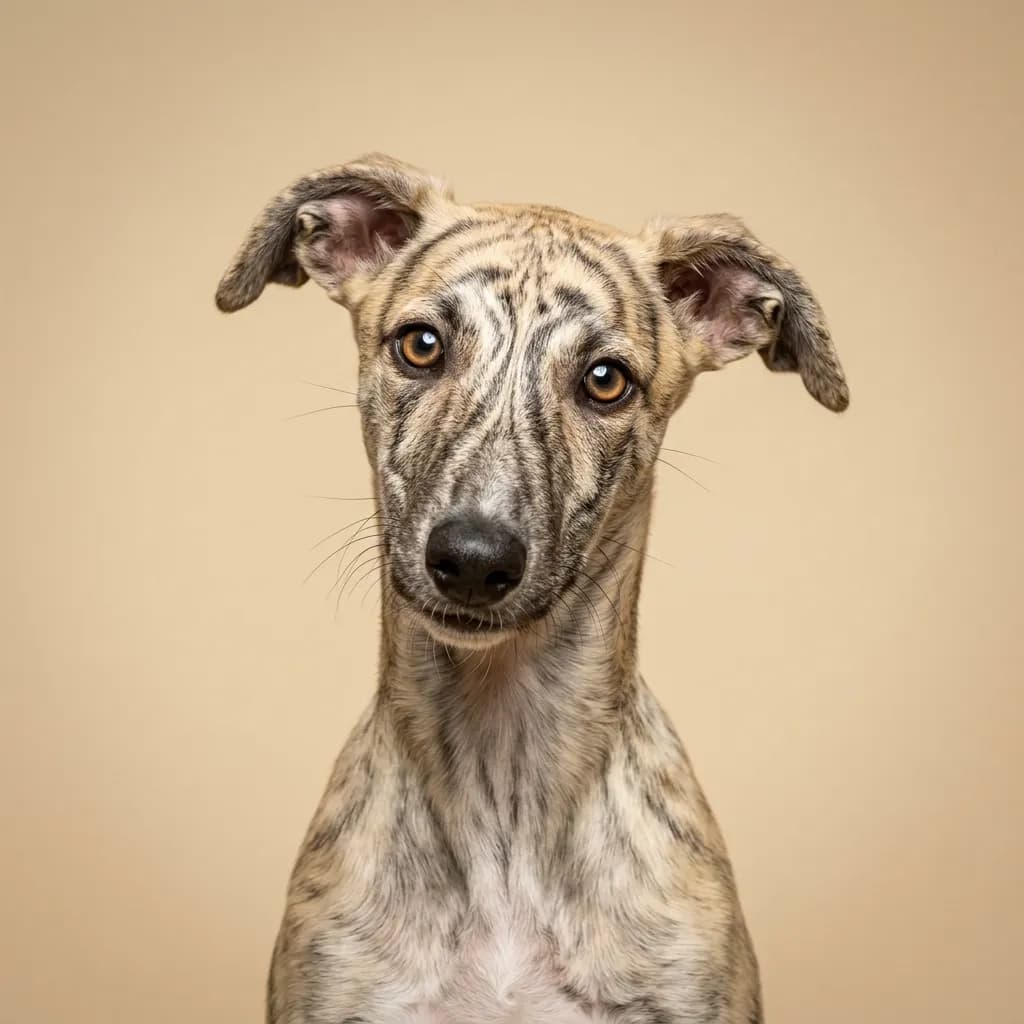
People compare Greyhounds and Vizslas because they’re both sleek, short-haired, athletic dogs that look like they belong on a nature documentary. But that’s where the surface-level similarities end. If the Greyhound is a dignified, couch-shaped athlete who races at 45 mph then crashes for 20 hours a day, the Vizsla is the dog that will sprint beside your bike, then want to play fetch, then nudge your hand for pets, all before lunch. The real difference? Energy rhythm. A Greyhound will zoom in the yard, then tuck into your living room like a piece of quiet furniture. They’re surprisingly apartment-friendly if you’ve got space for their long legs. Vizslas, though, are “Velcro dogs” with a motor. They need physical and mental work every single day. Leave them alone too long, and they’ll redecorate your couch out of boredom. If you’re retired, work from home, or want a calm but noble companion, the Greyhound might be your guy. Just know they can be aloof with training and aren’t big fans of sudden movements from toddlers. Vizslas bond fiercely with families, adore older kids, and are eager to learn. but they demand involvement. They’re not pets you park in the backyard. Here’s the insight no one talks about: Greyhounds are sensitive to cold and often need sweaters, not just because they’re thin, but because they have low body fat and little insulation. Vizslas feel the cold too, but their need for constant activity means they generate more internal heat. Still, neither belongs outside in winter. Both are deeply affectionate in their own way, but the Vizsla will follow you to the bathroom; the Greyhound will wait. politely. until you’re ready to give attention. Choose the Greyhound for calm elegance, the Vizsla for joyful, tireless partnership.
Trait-by-trait
Higher bar = more of that trait. Shedding, barking, drooling, grooming flipped for readability.Where they diverge
Choose the Greyhound if…
- Apartment dwellers (surprisingly calm indoors)
- Adoption-minded owners (many ex-racers)
- Low-maintenance coat owners
Choose the Vizsla if…
- Active families
- Runners and cyclists
- Hunters
- You value good with young children — Vizsla scores higher here.