Hamiltonstovare vs Harrier
Side-by-side comparison across all 14 AKC trait ratings, with a clear verdict on which breed fits which kind of household.
Not sure which breed fits your life?
Answer five questions about your home, your schedule, and your tolerance for shedding. We’ll match you to your top three breeds from over 200.
Hamiltonstovare vs Harrier
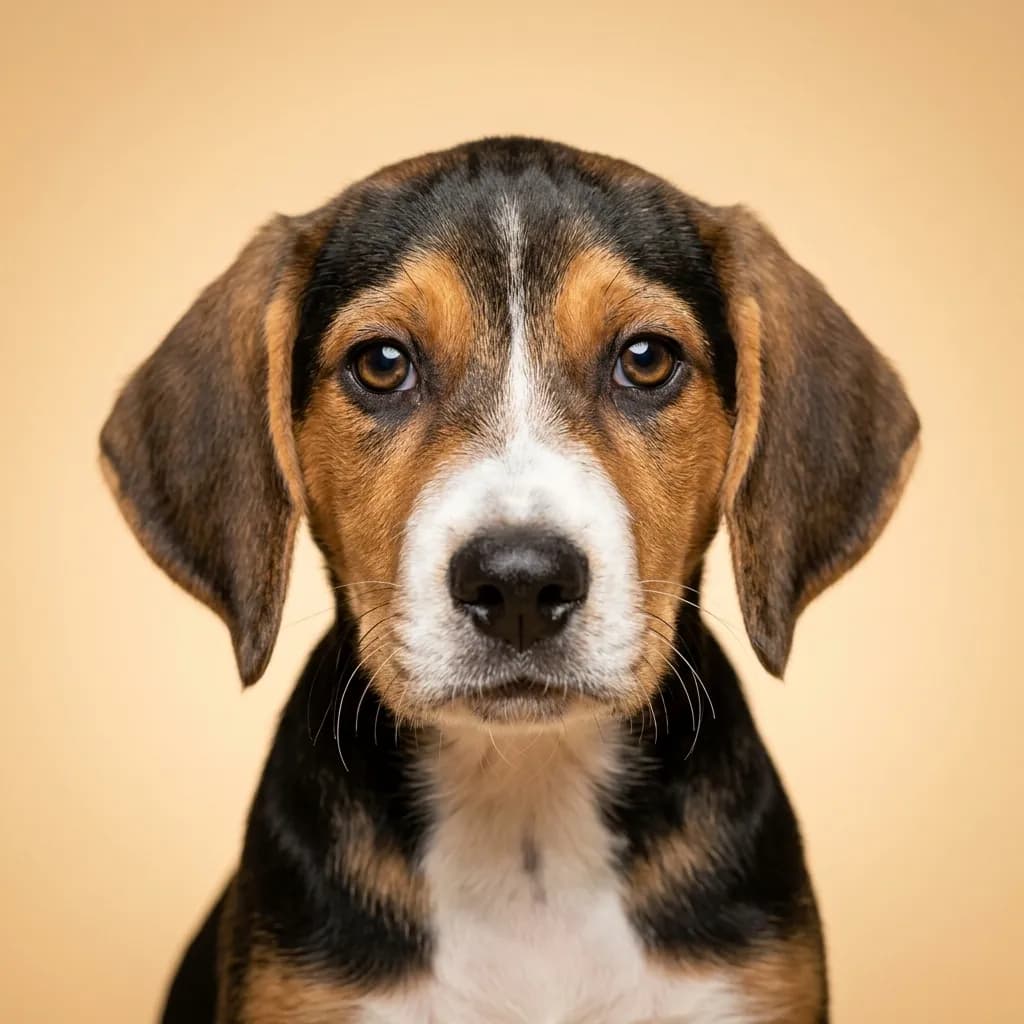
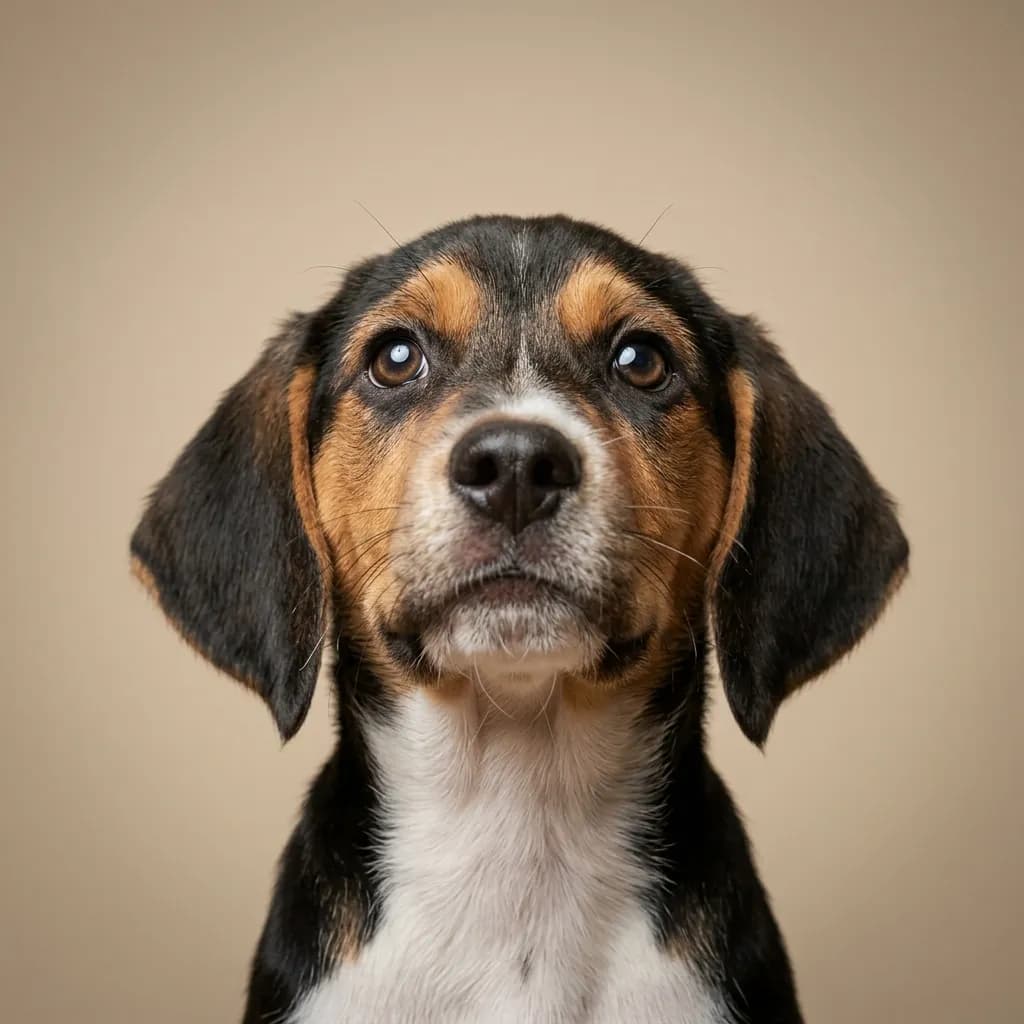
People compare the Hamiltonstovare and Harrier because they look like long-lost cousins. medium-sized, short-coated hounds with floppy ears and that classic nose-to-the-ground focus. Both are built for hunting hare, love a good romp, and thrive in active homes. But when you live with them, the differences hit you fast. The Hamiltonstovare is the more independent operator. Bred to work alone in the dense Swedish forests, it’s got a regal reserve, even with family. It’ll follow commands well enough. trainability is solid. but if a scent catches its attention, good luck calling it back. It’s quieter than you’d expect, barking only when necessary. That independence makes it less clingy, but also less adaptable to city life or homes without secure space. It wants purpose, not just play. The Harrier, on the other hand, is the social butterfly of the two. Bred to run in boisterous packs across open English fields, it lives for company. yours, other dogs’, even strangers’. It’s more adaptable, partly because it’s so eager to please and deeply bonded to people. But that pack mentality means it’s loud. Think chorus-of-hounds level barking when excited. It needs mental stimulation and company, or it’ll invent its own entertainment. usually involving howling. Here’s the real insight: the Hamiltonstovare will follow a scent because it was born to. The Harrier will follow a scent because the pack did, and he never wants to be left behind. That pack instinct makes the Harrier a better fit for families who want a dog that’s always in the mix. The Hamiltonstovare suits hunters or owners who respect a dog that thinks for itself. If you want a shadow, pick the Harrier. If you want a partner with quiet confidence, go for the Hamiltonstovare.
Trait-by-trait
Higher bar = more of that trait. Shedding, barking, drooling, grooming flipped for readability.Where they diverge
Choose the Hamiltonstovare if…
- Hunters
- Active families
- Rural living
- You value coat grooming — Hamiltonstovare scores noticeably higher.
Choose the Harrier if…
- Active families
- Hunters
- Rural living
- You value good with other dogs — Harrier scores higher here.