Harrier vs Kerry Blue Terrier
Side-by-side comparison across all 14 AKC trait ratings, with a clear verdict on which breed fits which kind of household.

Not sure which breed fits your life?
Answer five questions about your home, your schedule, and your tolerance for shedding. We’ll match you to your top three breeds from over 200.
Harrier vs Kerry Blue Terrier
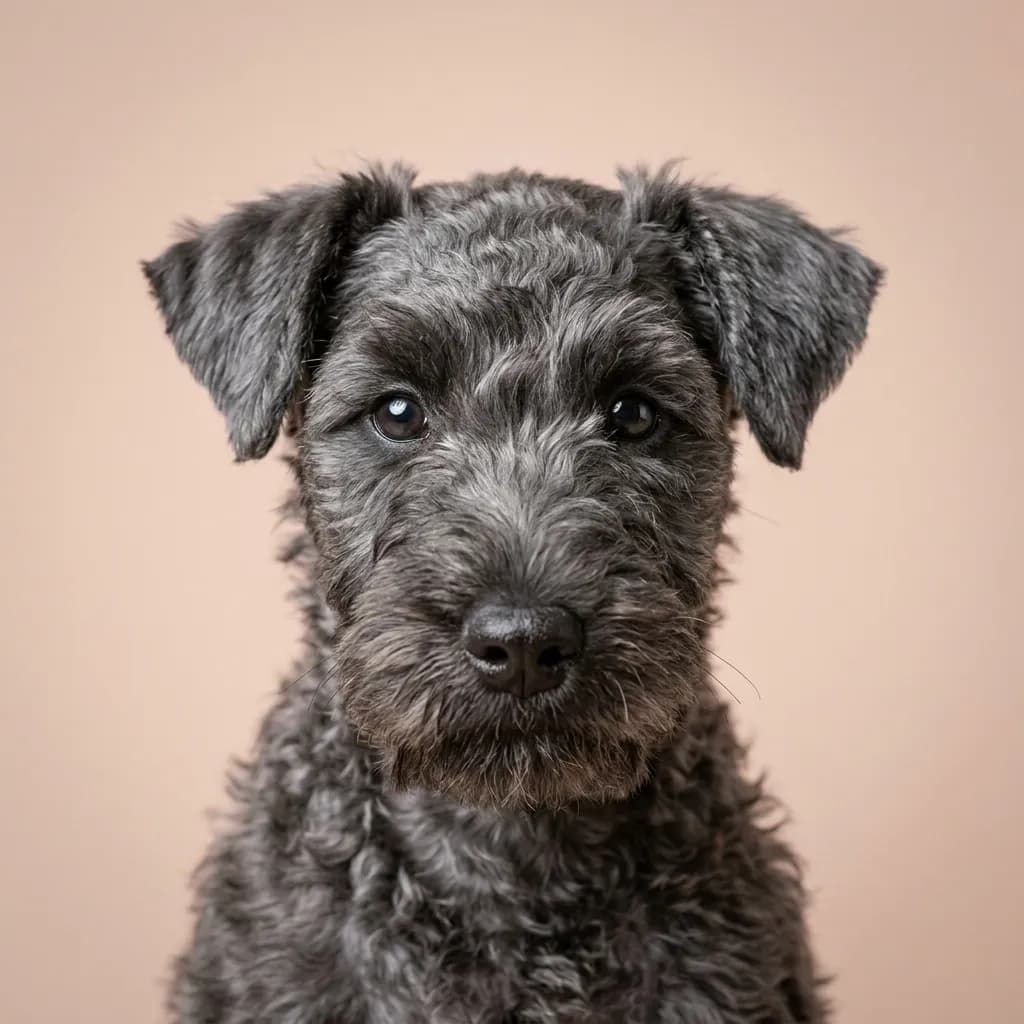
People compare Harriers and Kerry Blue Terriers because both are active, people-oriented dogs with a knack for family life and a history of working outdoors. On paper, they seem like two peas in a pod. medium-sized, energetic, and eager to please. But live with either for a few months and you’ll realize they’re wired completely differently. The Harrier is a hound with pack mentality in its bones. Bred to run for hours hunting hare across the English countryside, this dog craves motion and companionship. You’ll need a yard, daily long walks, or access to open trails. They’re the extroverts of the dog world. friendly with everyone, barking freely, thriving in large families. Off-leash freedom? Risky. Their nose will override recall every time. They’re also more adaptable to rural or suburban life, but forget apartments. The Kerry Blue is a terrier. spirited, opinionated, and sharp. They were farm dogs in Ireland, tackling rats, herding sheep, and guarding property. That means they’re more intense, less forgiving of mistakes, and prone to chasing small animals. Their curly coat doesn’t shed much, making them a real option for allergy sufferers, but it needs weekly brushing and regular trims. They bond deeply but can be stubborn; training takes consistency. They’re less tolerant of young kids’ chaos and dog park politics. Here’s the real difference: Harriers want to join your life. Kerry Blues want to co-lead it. Pick a Harrier if you’re active, live outside the city, and want a joyful, social dog. Pick a Kerry Blue if you’re experienced, don’t mind grooming, and appreciate a dog with strong opinions. And know this. both will love you fiercely, but only one will try to negotiate the terms.
Trait-by-trait
Higher bar = more of that trait. Shedding, barking, drooling, grooming flipped for readability.Where they diverge
Choose the Harrier if…
- Active families
- Hunters
- Rural living
- You value good with other dogs — Harrier scores noticeably higher.
Choose the Kerry Blue Terrier if…
- Experienced terrier owners
- Active families
- Allergy sufferers
- You value coat grooming — Kerry Blue Terrier scores higher here.