Harrier vs Lakeland Terrier
Side-by-side comparison across all 14 AKC trait ratings, with a clear verdict on which breed fits which kind of household.

Not sure which breed fits your life?
Answer five questions about your home, your schedule, and your tolerance for shedding. We’ll match you to your top three breeds from over 200.
Harrier vs Lakeland Terrier
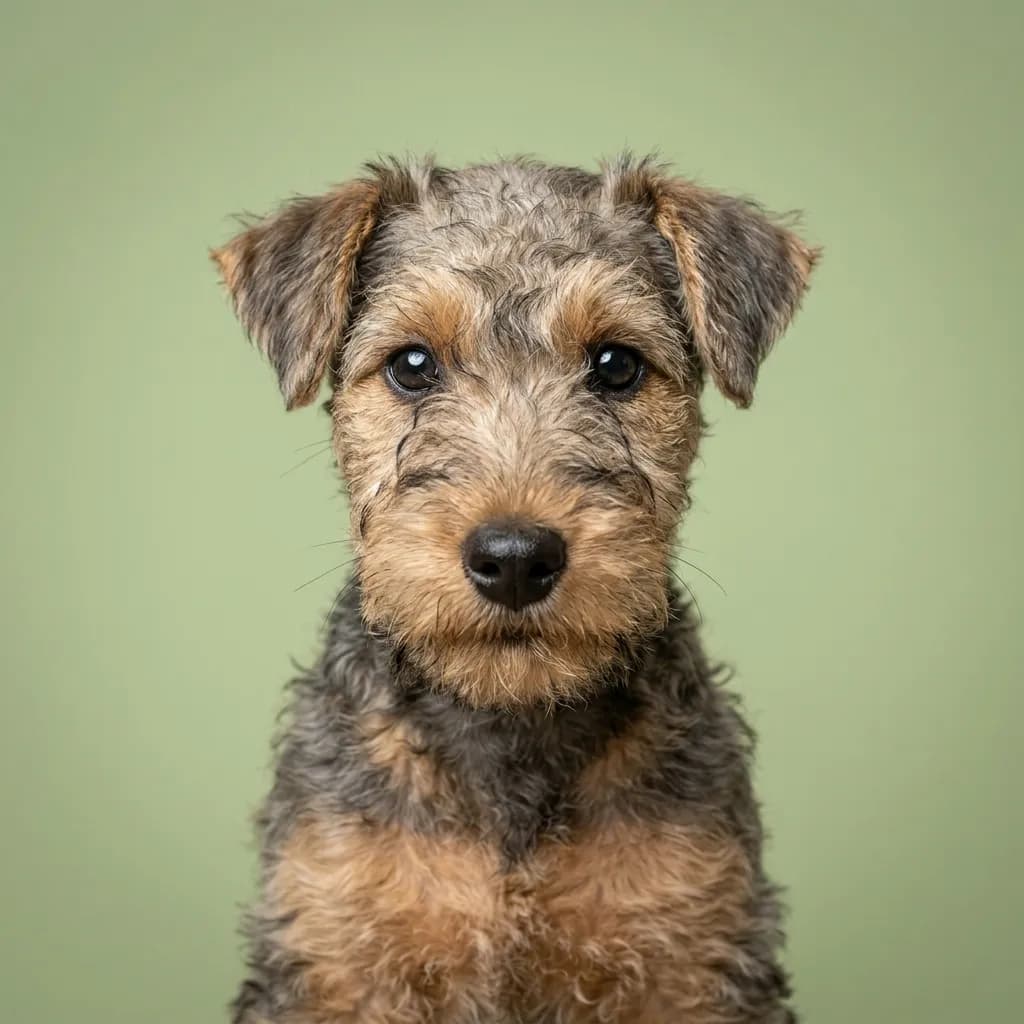
People compare Harriers and Lakeland Terriers because they’re both active, working UK breeds with that classic British country dog charm, but that’s where the similarities end. If you’re choosing between them, you’re really deciding what kind of energy you want in your life. and what kind of chaos you can handle. The Harrier is a big-hearted, full-throttle hound built for miles on the trail. At nearly 60 pounds and standing over 20 inches, this dog is not subtle. They’re bred to run in packs, so they’re deeply social with people and kids, but that also means they’ll vocalize. constantly. If you’re on a country property and love long walks or hunting by scent, the Harrier’s your partner. But don’t expect reliable off-leash recall; once they catch a whiff, you’re chasing the wind. They need space, movement, and a job, or they’ll turn your garden into a dig site. The Lakeland Terrier is half the size but twice the attitude. Confident to the point of audacity, this 17-pound terrier was bred to go after foxes in rocky dens, so small pets in the home are a no-go unless you want drama. They’re more independent, less eager to please, and while they bond deeply with their people, they’re not the kind of dog that follows you from room to room like a shadow. Their wiry coat sheds minimally, making them a solid choice for allergy sufferers, and they adapt well to smaller homes. just don’t bore them. Here’s the real talk: Harriers are team players; Lakelands are solo operators. If you want a dog that thrives on family involvement and outdoor adventure, go Harrier. If you want a feisty, low-shedding companion with bold personality and can manage a strong will, the Lakeland’s your match. Just remember. terriers don’t follow, they lead.
Trait-by-trait
Higher bar = more of that trait. Shedding, barking, drooling, grooming flipped for readability.Where they diverge
Choose the Harrier if…
- Active families
- Hunters
- Rural living
- You value good with young children — Harrier scores noticeably higher.
Choose the Lakeland Terrier if…
- Active owners
- Experienced terrier handlers
- Allergy sufferers
- You value coat grooming — Lakeland Terrier scores higher here.