Harrier vs Yorkshire Terrier
Side-by-side comparison across all 14 AKC trait ratings, with a clear verdict on which breed fits which kind of household.
Not sure which breed fits your life?
Answer five questions about your home, your schedule, and your tolerance for shedding. We’ll match you to your top three breeds from over 200.
Harrier vs Yorkshire Terrier
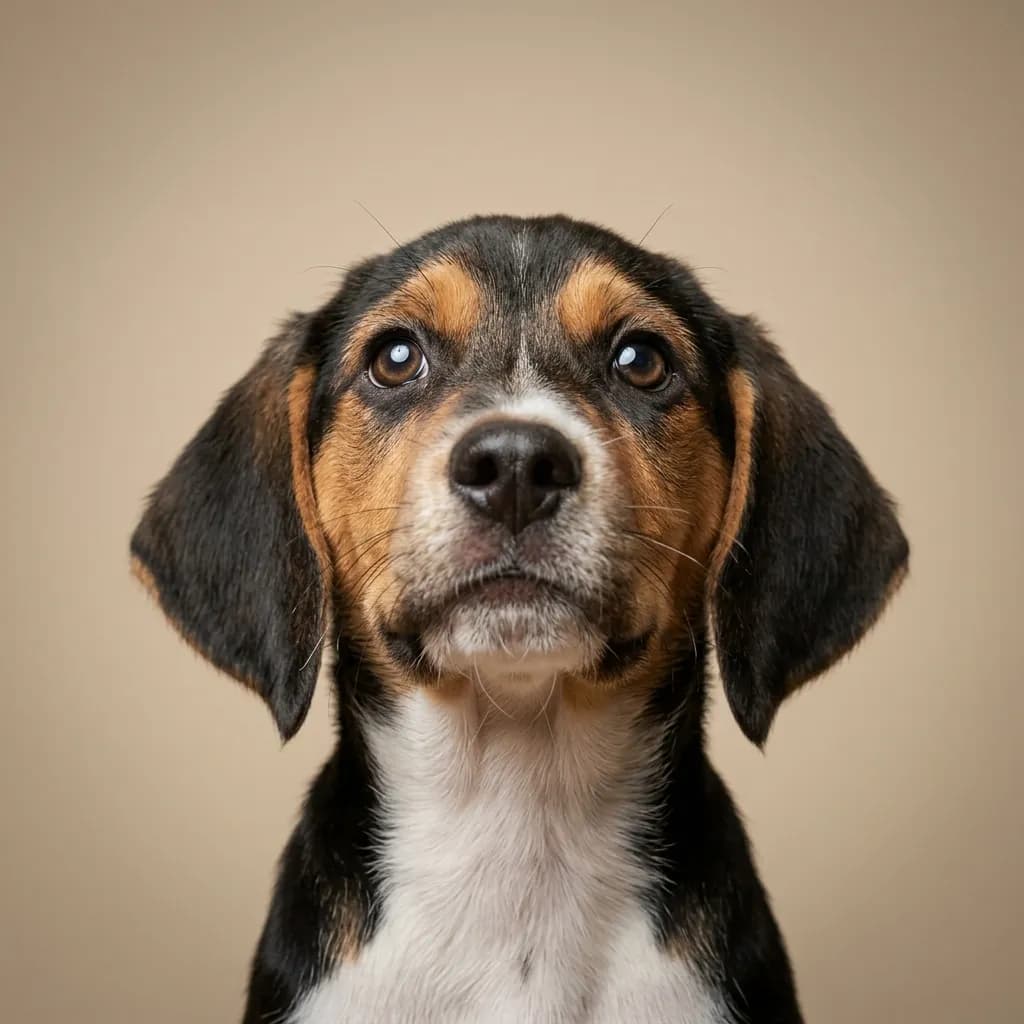
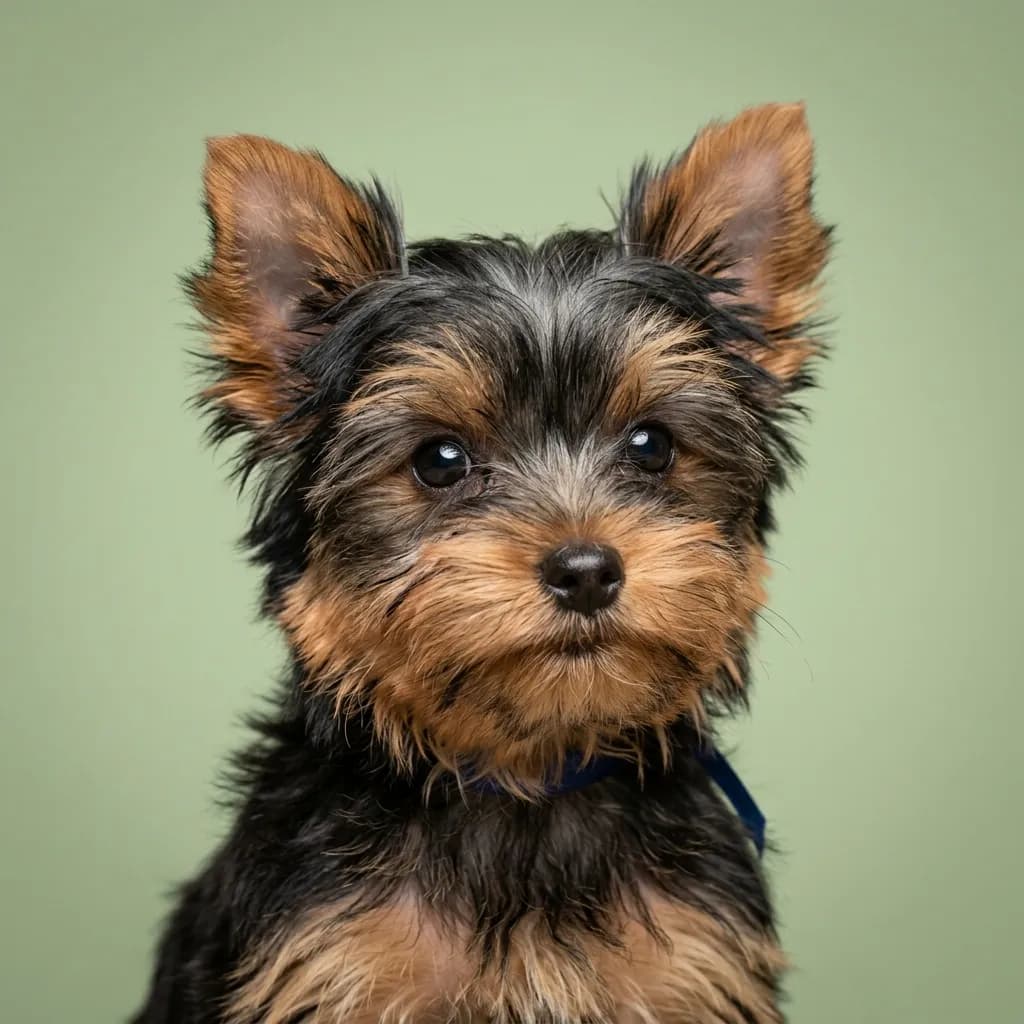
People compare Harriers and Yorkshire Terriers because both are energetic, affectionate, and love being part of the action. but that’s where the similarities end. One’s built to run down hare across open fields all day, the other was born to dart through coal mine rafters chasing rats. They’re both loyal and lively, but your lifestyle will decide which one actually fits. If you’re hiking on weekends, have a yard, and want a dog that thrives in chaos with kids and other pets, the Harrier is your guy. At 50-plus pounds and built like a stocky gazelle, this hound needs miles of movement. You’ll never win a squeaky toy recall contest with one, and they’ll bay at anything that moves. so quiet suburban streets? Probably not ideal. But they’re kind, tough, and deeply social, the kind of dog that bonds with everyone in the house equally. The Yorkshire Terrier, meanwhile, packs the energy of a much larger dog into a 7-pound frame. They’re fearless, feisty, and surprisingly bold for their size. Perfect for city living, they adapt to apartments like champs and hardly shed. great if someone in the house has mild allergies. But don’t be fooled by the glamour coat and tiny paws. Yorkies need just as much training and mental work as the Harrier. And they’re not for homes with toddlers. accidents happen when little hands grab delicate little bodies. Here’s the real talk: both breeds are high-energy, but the Harrier’s energy is physical, the Yorkie’s is mental. One needs space and a job, the other needs engagement and protection from getting stepped on. Choose the Harrier if you’re outdoorsy and active. Choose the Yorkie if you’re home a lot, live in the city, and want a tiny dog with a giant personality.
Trait-by-trait
Higher bar = more of that trait. Shedding, barking, drooling, grooming flipped for readability.Where they diverge
Choose the Harrier if…
- Active families
- Hunters
- Rural living
- You value good with other dogs — Harrier scores noticeably higher.
Choose the Yorkshire Terrier if…
- Apartment living
- People with mild dog allergies
- Seniors and retirees
- You value coat grooming — Yorkshire Terrier scores higher here.