Japanese Chin vs Stabyhoun
Side-by-side comparison across all 14 AKC trait ratings, with a clear verdict on which breed fits which kind of household.
Not sure which breed fits your life?
Answer five questions about your home, your schedule, and your tolerance for shedding. We’ll match you to your top three breeds from over 200.
Japanese Chin vs Stabyhoun
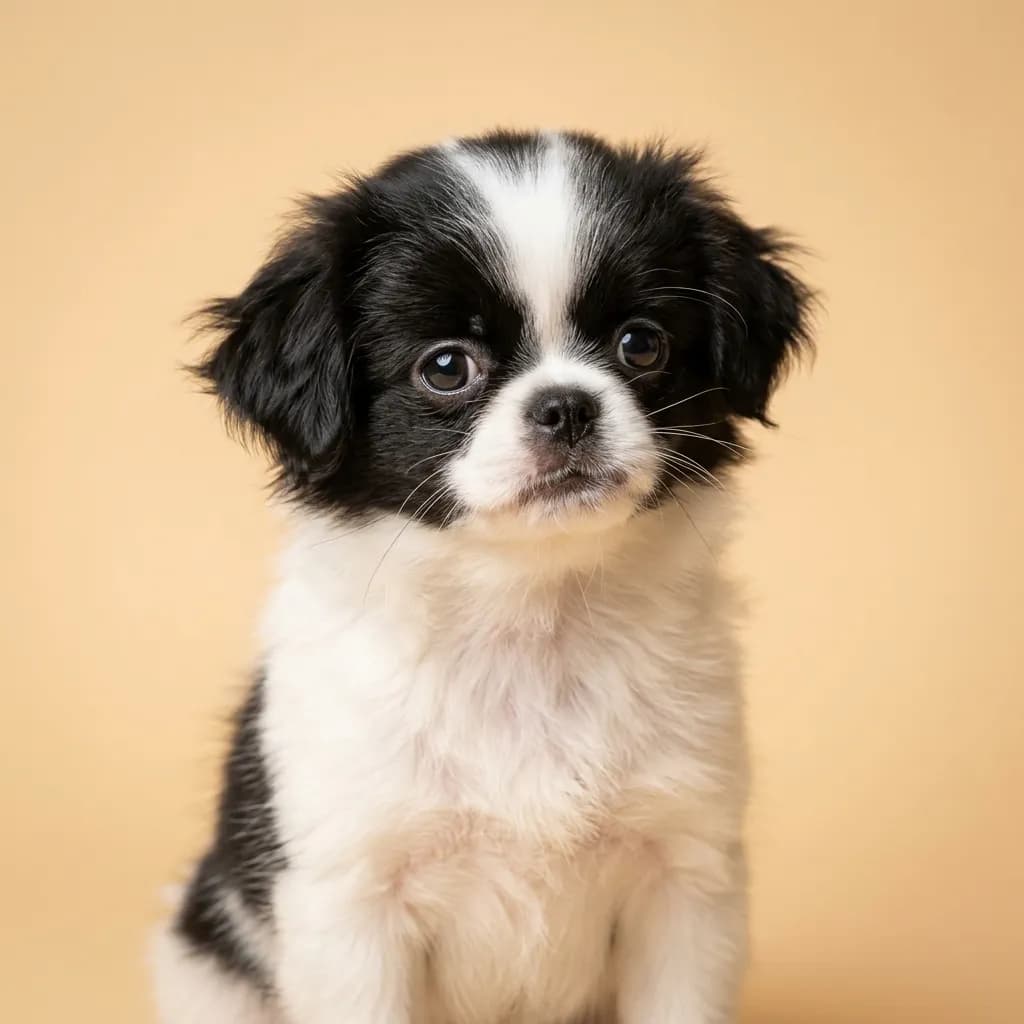
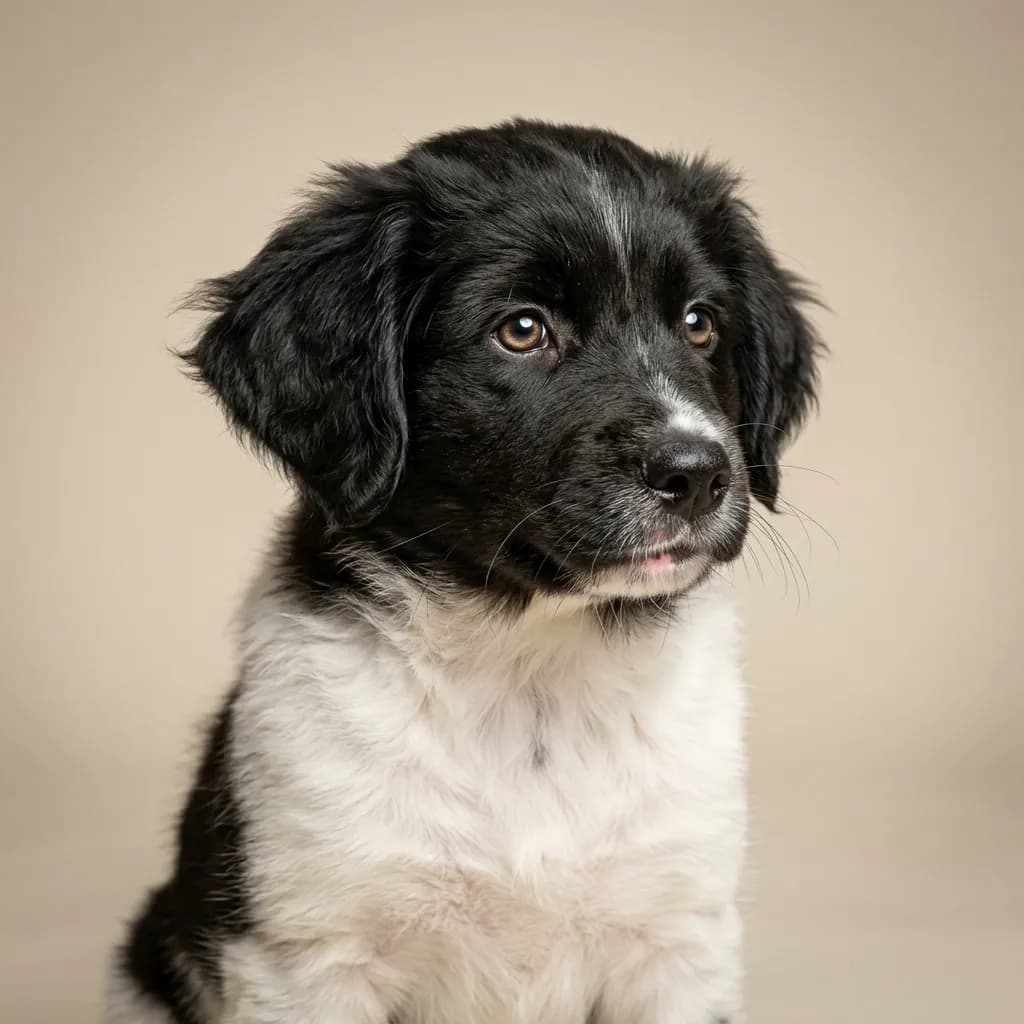
You’re not really comparing a Japanese Chin to a Stabyhoun. you’re choosing between a living brooch and a farmhand. People line them up because both are rare, both are deeply loyal, and both wear their devotion like a badge. But that’s where the story splits. The Chin is a silk-robed aristocrat from imperial courts, built for laps and quiet rooms. They’re small enough to vanish under a throw blanket, and they’ll follow you from sunbeam to armchair with silent intensity. They’re not fragile, but they’re not durable in the way a Stabyhoun is. That flat face means hot weather can knock them out fast, and while they adore kids, they won’t tolerate chaos. You’ll get a shadow, not a sidekick. The Stabyhoun? This Dutch multi-tool was bred to point, flush, and retrieve in wet ditches before coming home to nuzzle the kids. At 50 pounds, they’re built like a working dog because they are one. They need miles, not just minutes. A fenced yard is non-negotiable. But here’s the surprise: despite their stamina and drive, they’re calm indoors. like a retriever who learned meditation. They’re biddable in a way the Chin isn’t, eager to learn, and they thrive on partnership. If you’re drawn to both, ask this: do you want a companion who mirrors your stillness, or one who pushes you to move? The Chin suits the thoughtful retiree or apartment dweller who values grace over gusto. The Stabyhoun demands an active family, someone who hikes, hunts, or does dog sports. Here’s the truth beyond the data: the Chin gives you elegance with quiet resilience, but the Stabyhoun gives you depth. They’re rare not just because of geography, but because they ask for a life fully lived. You don’t own a Stabyhoun. You earn them.
Trait-by-trait
Higher bar = more of that trait. Shedding, barking, drooling, grooming flipped for readability.Where they diverge
Choose the Japanese Chin if…
- Apartment dwellers
- Seniors
- Gentle quiet households
- You value good with other dogs — Japanese Chin scores noticeably higher.
Choose the Stabyhoun if…
- active families
- hunters and waterfowl retrievers
- dog sport enthusiasts
- You value good with young children — Stabyhoun scores higher here.