Jindo vs Plott Hound
Side-by-side comparison across all 14 AKC trait ratings, with a clear verdict on which breed fits which kind of household.
Not sure which breed fits your life?
Answer five questions about your home, your schedule, and your tolerance for shedding. We’ll match you to your top three breeds from over 200.
Jindo vs Plott Hound
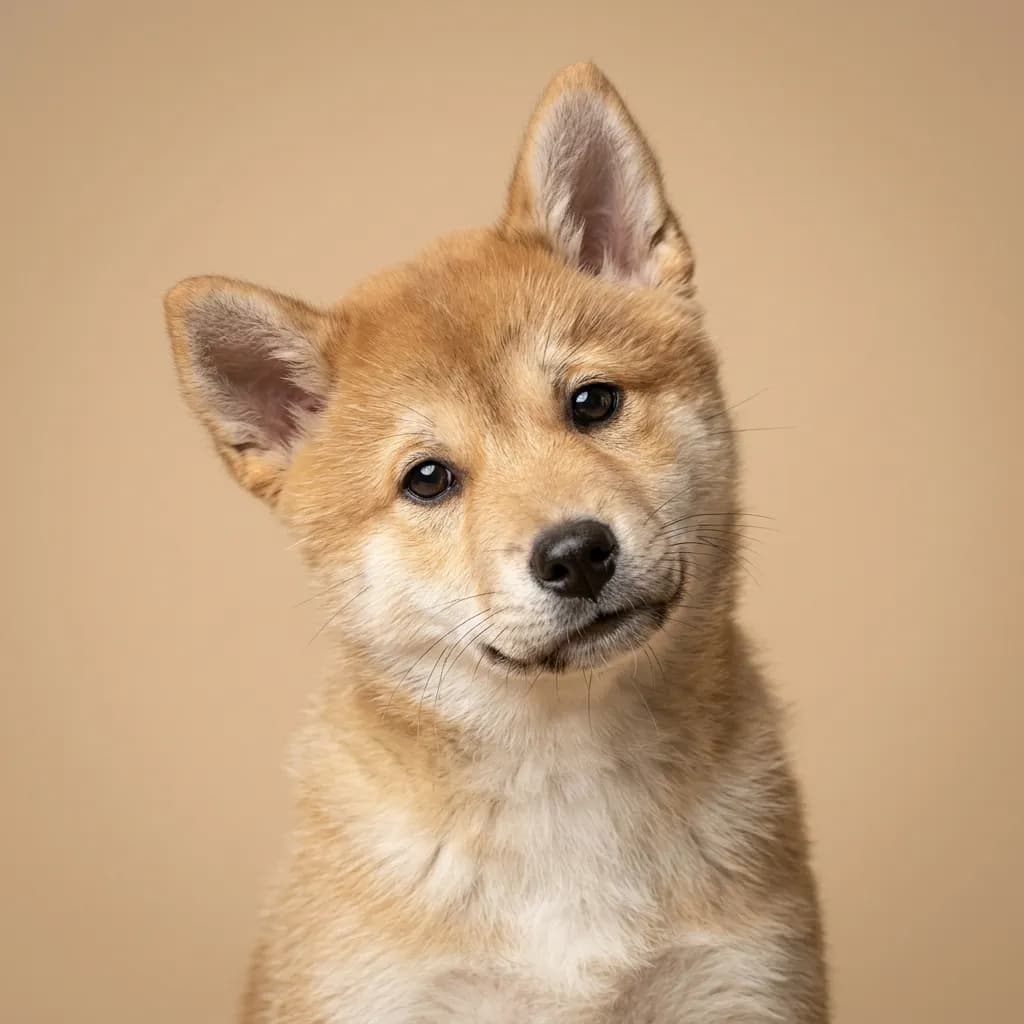
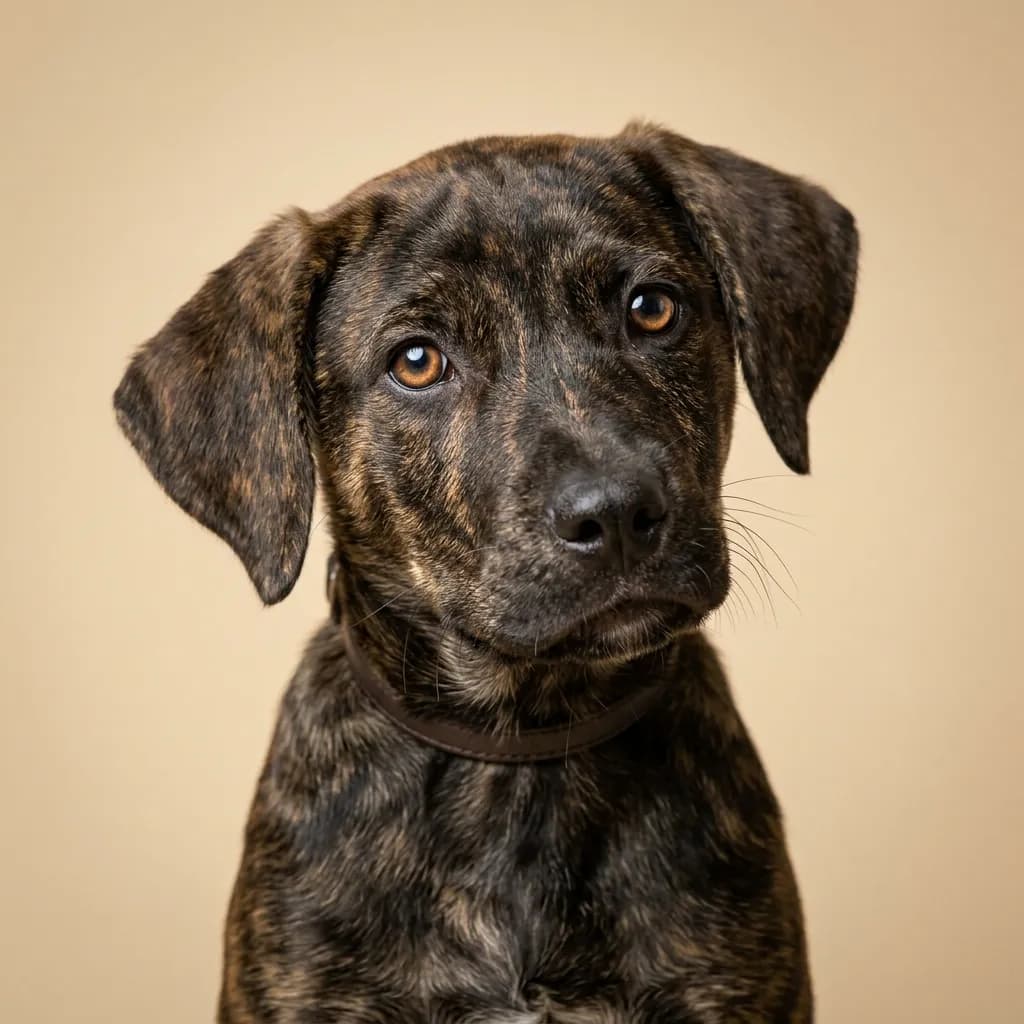
People compare Jindos and Plott Hounds because they’re both medium to large, athletic dogs with strong hunting instincts, loyalty, and a look that turns heads. sleek, wild-eyed, built for action. But beneath that surface, they’re worlds apart in how they live with people. The Jindo is like that intense, independent friend who respects you but won’t coddle you. Originating from an isolated Korean island, it’s fiercely intelligent and deeply alert, bred to track boar solo. That independence means it’s less eager to please, even with consistent training. It’s not that they don’t bond. they do. but on their terms. They’re reserved with strangers, wary of small animals, and adapt poorly to city life or novice owners. You’ll need space, experience, and patience. They thrive in rural homes where their instincts have an outlet. The Plott Hound, descended from German stock but forged in the Appalachian wilderness, is a pack hunter at heart. They’re bred to work in close contact with humans, which makes them more adaptable and affectionate. They bond deeply with their families, even showing genuine warmth with kids, and while they’re loud. those baying sessions echo for miles. that’s part of their job description. They’re more forgiving of lifestyle changes, do better in varied settings, and though still energetic, they’re less mentally intense than Jindos. Here’s the real difference: a Plott wants to follow you into the woods. A Jindo is deciding whether you’re worth following. Choose a Plott if you’re a hunter or active owner who wants a loyal, vocal partner. Choose a Jindo only if you respect distance in a dog. if you’re okay with a companion who stays close but keeps their dignity. And no, neither will ever truly come when called off-leash. That’s just life with these kinds of dogs.
Trait-by-trait
Higher bar = more of that trait. Shedding, barking, drooling, grooming flipped for readability.Where they diverge
Choose the Jindo if…
- Experienced dog owners
- Active individuals
- Families with older children
- You value shedding level — Jindo scores noticeably higher.
Choose the Plott Hound if…
- Hunters
- Active outdoor owners
- Rural settings
- You value affectionate w/ family — Plott Hound scores higher here.