Lakeland Terrier vs West Highland White Terrier
Side-by-side comparison across all 14 AKC trait ratings, with a clear verdict on which breed fits which kind of household.

Not sure which breed fits your life?
Answer five questions about your home, your schedule, and your tolerance for shedding. We’ll match you to your top three breeds from over 200.
Lakeland Terrier vs West Highland White Terrier
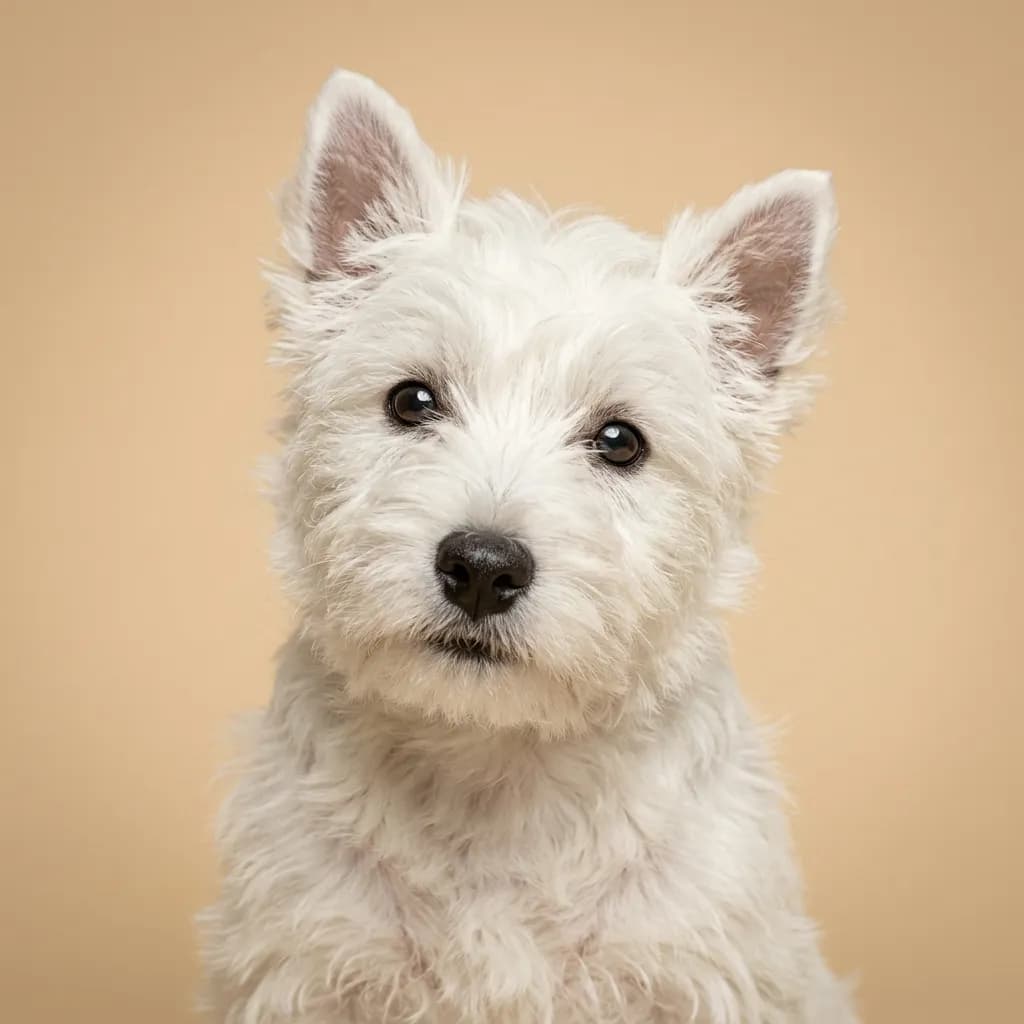
People toss Lakeland Terriers and West Highland White Terriers into the same bucket because they’re small, white, feisty terriers with scruffy coats and big personalities. But if you’ve lived with both, you know they’re different animals in spirit. The Lakeland was built to work the rocky fells of England’s Lake District, chasing foxes with grit and independence. The Westie, bred to clear vermin from Scottish farms and burrows, is more social, more alert, and way more likely to bark at the mailman like it’s a national emergency. Here’s the real split: energy and noise. Westies run at a 4 out of 5 on the zoomies scale and bark at a solid 5. They’re cheerful, affectionate, and great with older kids, but they’re also stubborn and loud. Lakelands are quieter, slightly calmer, and a bit more reserved with strangers. Both are smart and need mental stimulation, but neither wins a gold medal in trainability. You’ll need patience and consistency with either. If you live in a city apartment and want a loyal, lively companion who’ll adapt well but still need daily walks and engagement, the Westie might be your match. But if you’re an experienced dog owner who hikes, wants a slightly more independent worker, and prefers a dog that’s bold without being a noise machine, the Lakeland could be a better fit. One thing no breeder brochure will tell you: both breeds come with terrier baggage. That means a squirrel is not a cute woodland creature. it’s prey. And if your home has a cat or a hamster, neither dog is a safe bet, no matter how well you socialize them.
Trait-by-trait
Higher bar = more of that trait. Shedding, barking, drooling, grooming flipped for readability.Where they diverge
Choose the Lakeland Terrier if…
- Active owners
- Experienced terrier handlers
- Allergy sufferers
Choose the West Highland White Terrier if…
- Apartment living
- Families with older children
- People with mild dog allergies
- You value good with young children — West Highland White Terrier scores higher here.