Lancashire Heeler vs Toy Poodle
Side-by-side comparison across all 14 AKC trait ratings, with a clear verdict on which breed fits which kind of household.
Not sure which breed fits your life?
Answer five questions about your home, your schedule, and your tolerance for shedding. We’ll match you to your top three breeds from over 200.
Lancashire Heeler vs Toy Poodle
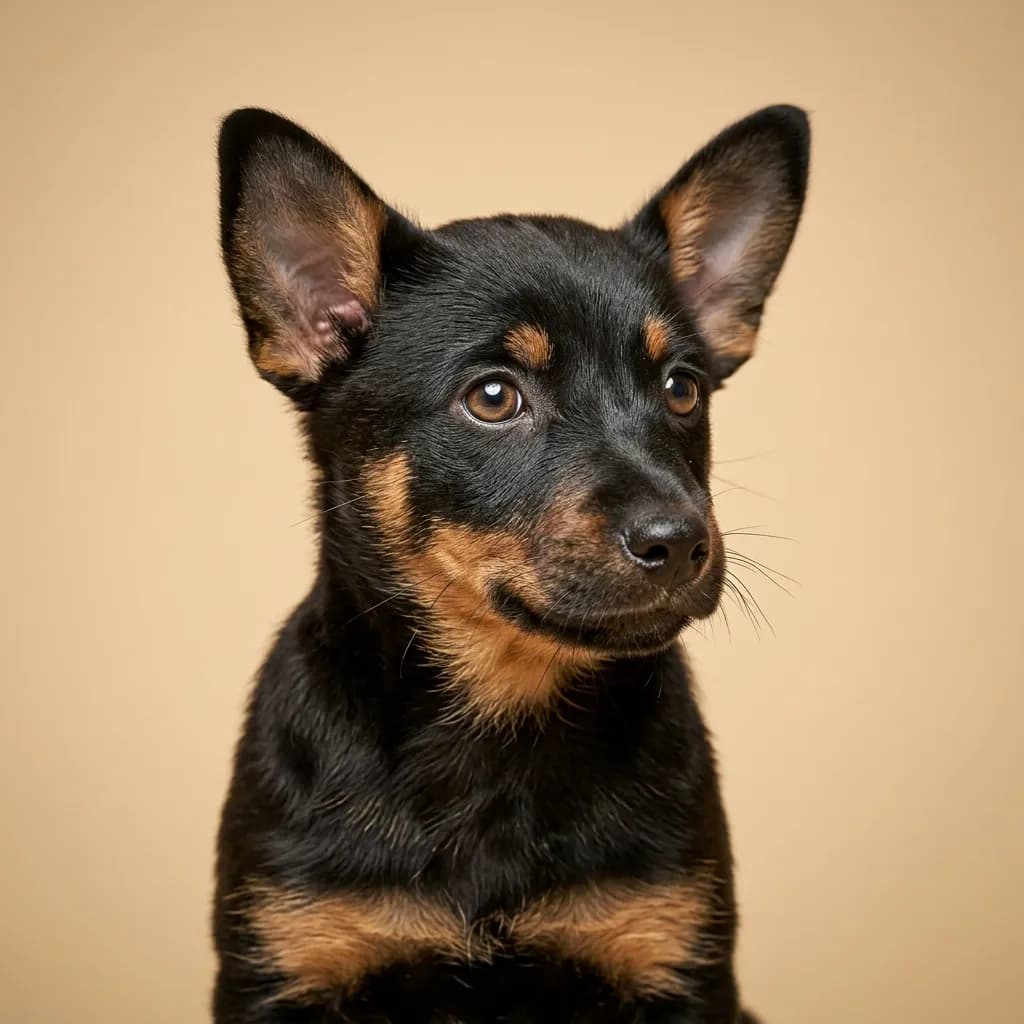
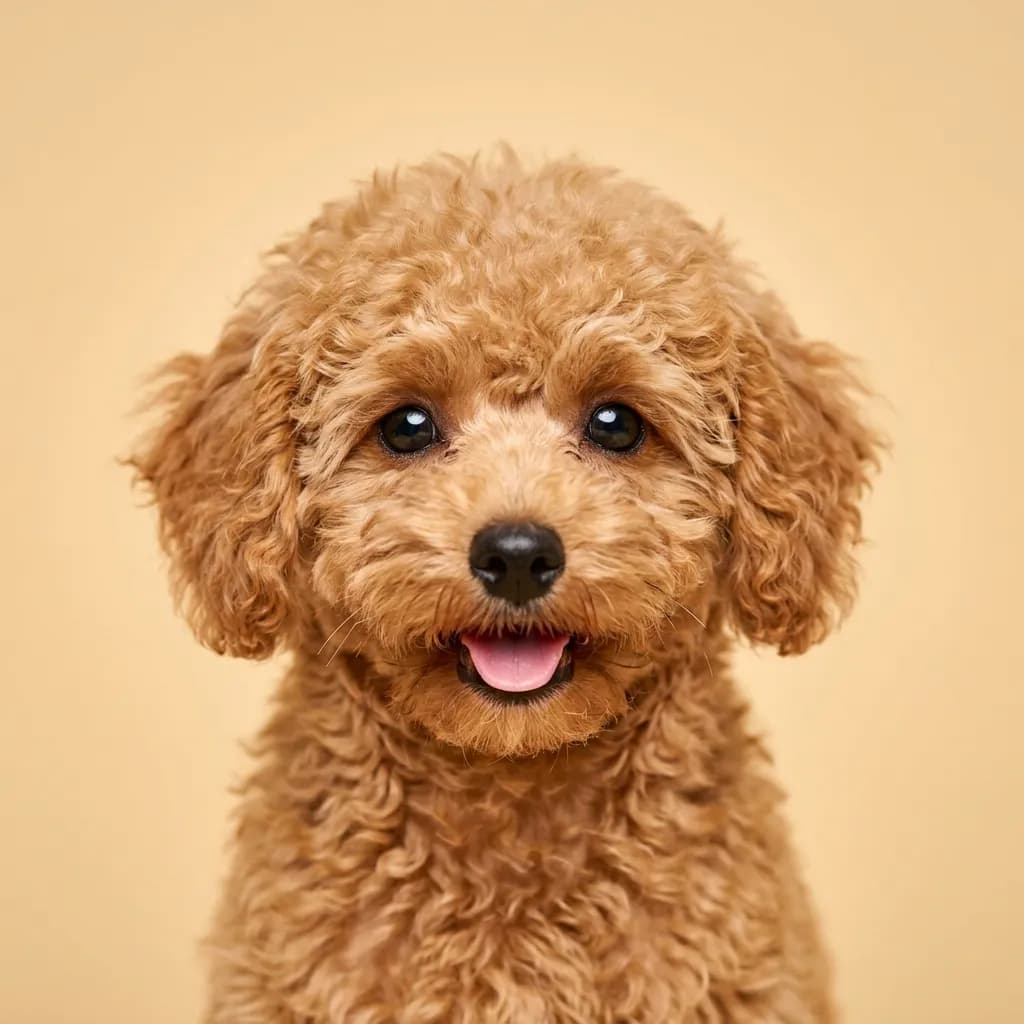
People compare Lancashire Heelers and Toy Poodles because they’re both small, brainy dogs that bond hard to their people and don’t shed excessively. On paper, they seem like two sides of the same coin. high energy, sharp minds, great with kids. but in real life, they’re built for entirely different worlds. The Lancashire Heeler is a working farm dog in miniature. At 9 to 17 pounds, it’s sturdier, louder, and more intensely driven than the Toy Poodle. It was bred to nip cattle heels and bolt rats, so it’s scrappy, alert, and always on task. You’ll need to give it jobs. agility, obedience, even herding trials. or it’ll invent its own, like bossing around your cat or barking at the mailman daily. It’s fantastic with older kids and thrives in active homes, but it can be too intense for new dog owners or tiny apartments. The Toy Poodle, meanwhile, is a polished companion. At just 4 to 6 pounds, it’s delicate, elegant, and emotionally tuned to its person. Bred for stage performances and lap lounging, it adapts to city life effortlessly. It’s easier to train, quieter in temperament (though it can yip if anxious), and hypoallergenic in a way the Heeler isn’t. But that coat demands grooming every 4 to 6 weeks. no skipping that. And while it loves games and learning, it doesn’t have that Heeler-level urgency to work. Here’s the real difference: the Heeler wants to do something with you, while the Poodle just wants to be with you. If you’re active, experienced, and want a dog that feels like a partner, go Heeler. If you want a graceful, low-shedding companion for a quieter life, the Toy Poodle fits. Just remember. both are smart enough to outthink you. You’ll need to stay one step ahead.
Trait-by-trait
Higher bar = more of that trait. Shedding, barking, drooling, grooming flipped for readability.Where they diverge
Choose the Lancashire Heeler if…
- Active families
- Experienced dog owners
- Rural or farm settings
- You value good with other dogs — Lancashire Heeler scores noticeably higher.
Choose the Toy Poodle if…
- Apartment living
- Allergy sufferers
- Seniors
- You value coat grooming — Toy Poodle scores higher here.