Lapponian Herder vs Mudi
Side-by-side comparison across all 14 AKC trait ratings, with a clear verdict on which breed fits which kind of household.
Not sure which breed fits your life?
Answer five questions about your home, your schedule, and your tolerance for shedding. We’ll match you to your top three breeds from over 200.
Lapponian Herder vs Mudi
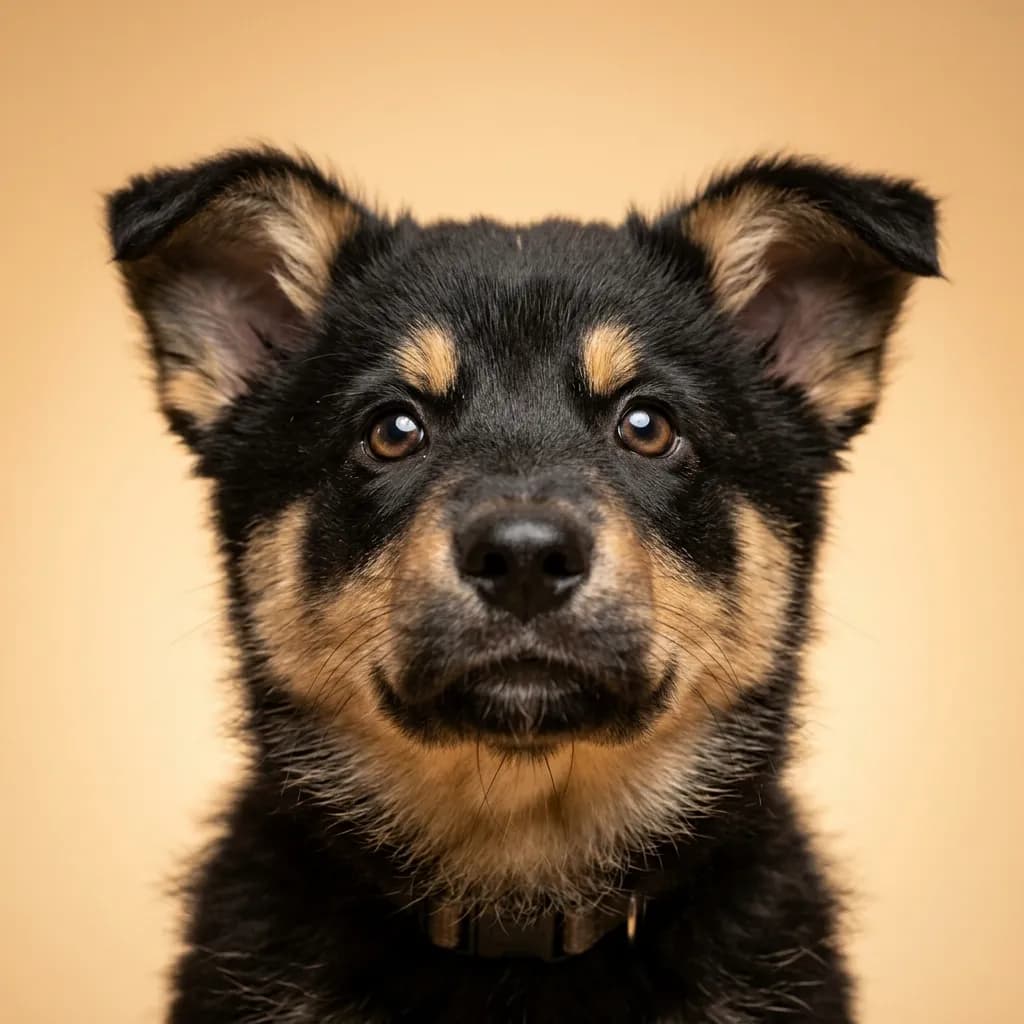
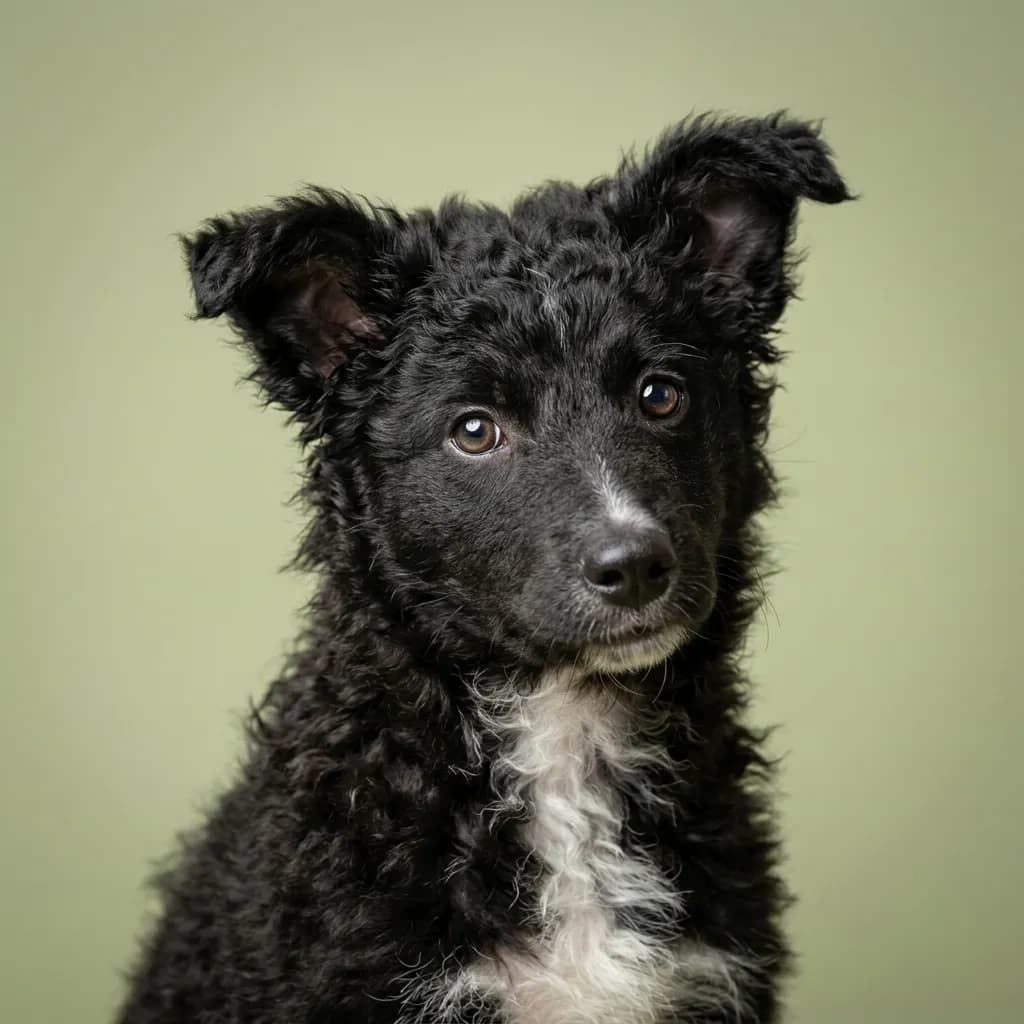
People compare the Lapponian Herder and the Mudi because both are rare, intelligent herding breeds with a wild kind of energy and a coat that looks like it belongs in a mountain photo shoot. They’re not your average family dog, and if you’re drawn to them, you’re probably already into dog sports, hiking, or have a fence tall enough to contain a canine Houdini. But beyond the surface, these two couldn’t be more different in how they live their lives with you. The Lapponian Herder is built like a winter athlete. broad, powerful, thick-coated, and happiest when plowing through snow or covering miles on a trail. They’re deeply bonded, yes, but they carry a calm intensity. They’ll work all day with the reindeer one minute, then curl up near your feet the next. Still, they need space and cold weather to thrive. In a hot apartment? They’ll overheat, both physically and mentally. The Mudi, on the other hand, is a lightning bolt in dog form. Smaller, leaner, with a curly tail and a mind that never shuts off. They’re louder in their opinions, quicker to react, and demand constant mental puzzles. A bored Mudi will rewire your houseplants just to feel something. But they adapt better to varied living situations. if you meet their mental and physical needs. Families in cold climates who hike, ski, or have large, snowy yards should lean Lapponian. Experienced dog owners who want a competition machine or a hyper-engaged partner in a milder climate? The Mudi’s your match. Here’s the real talk: neither is truly “good with kids” by default. Both are alert, sensitive, and can be snappy under stress. Socialize early, supervise always. These aren’t backyard dogs. They’re partners. Treat them like family members with jobs, and they’ll shine.
Trait-by-trait
Higher bar = more of that trait. Shedding, barking, drooling, grooming flipped for readability.Where they diverge
Choose the Lapponian Herder if…
- active families
- cold climates
- herding and working dog enthusiasts
- You value shedding level — Lapponian Herder scores noticeably higher.
Choose the Mudi if…
- Active families
- Experienced herding breed owners
- Dog sport enthusiasts
- You value playfulness — Mudi scores higher here.