Lapponian Herder vs Pyrenean Shepherd
Side-by-side comparison across all 14 AKC trait ratings, with a clear verdict on which breed fits which kind of household.
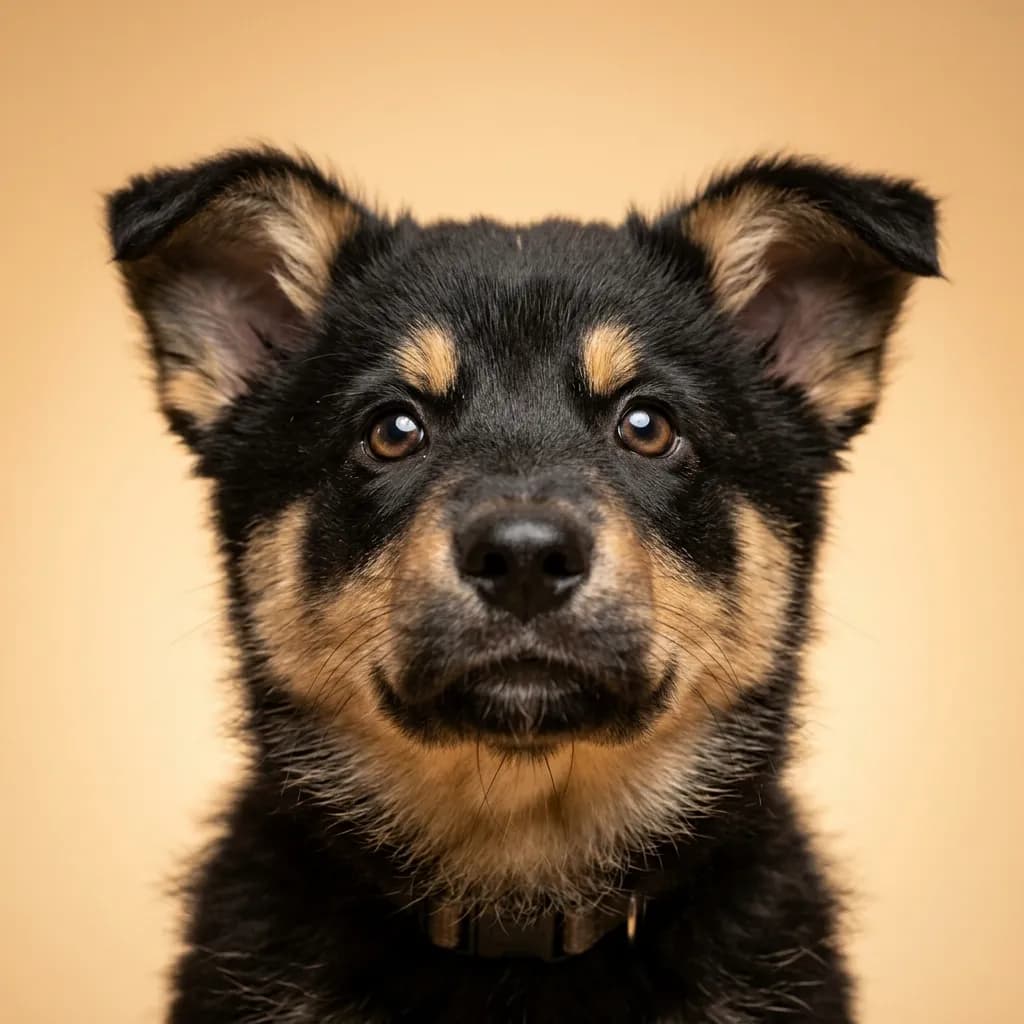
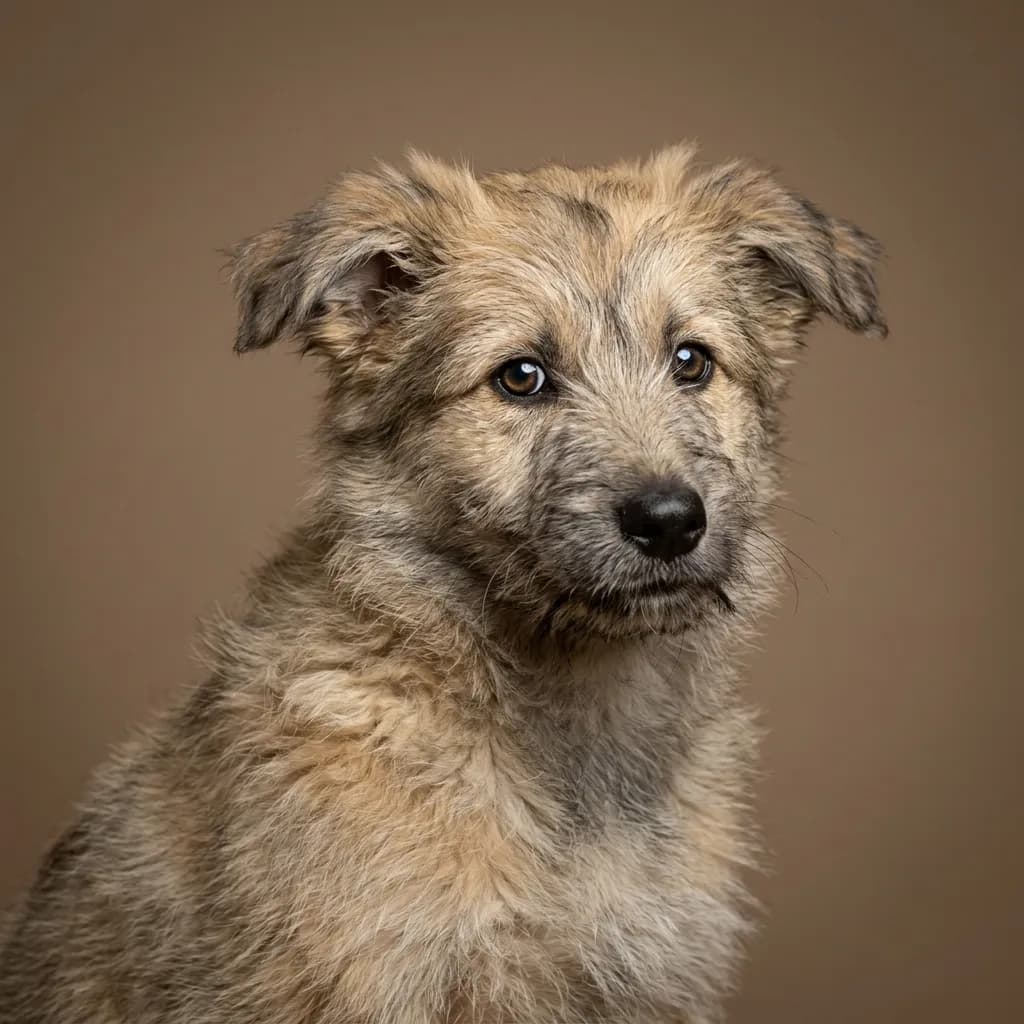
Not sure which breed fits your life?
Answer five questions about your home, your schedule, and your tolerance for shedding. We’ll match you to your top three breeds from over 200.
Lapponian Herder vs Pyrenean Shepherd
People compare the Lapponian Herder and the Pyrenean Shepherd because they’re both rare, energetic herding breeds with scruffy coats and a serious work ethic. But beyond the surface, they’re built for different worlds. The Lapponian Herder is a solid, cold-weather companion from Finland, originally driving reindeer across Arctic tundra. At 70 pounds, it’s a sturdy dog that thrives in snow and wide open spaces. The Pyrenean Shepherd, half that size and built like a spring-loaded athlete, comes from the French mountains and was designed to dart around flocks all day. It’s lighter, quicker, and even more intense. If you live in a snowy climate and want a loyal, intelligent dog that can handle backpacking, skijoring, or just serious cold-weather hikes, the Lapponian Herder fits like a glove. But they need space and stamina from you. Apartment life or hot summers? Forget it. The Pyrenean Shepherd, while also needing activity, adapts a bit better to smaller properties. just don’t expect quiet. This dog is on all the time, with a 5/5 in energy and mental stimulation. It’s a whiz in dog sports like agility or treibball, and it bonds fiercely to its person. But it demands an experienced hand. First-time owners will be overwhelmed. Here’s the real talk: both are vocal and sharp-minded, but the Pyrenean Shepherd is more intense in its devotion. It can tip into clinginess or reactivity without proper training. The Lapponian Herder is more evenly tempered, but less flexible in lifestyle fit. Choose the Herder if you want a resilient, slightly calmer partner for rugged outdoor life. Choose the Pyrenean Shepherd if you’re all-in on dog sports and want a whip-smart shadow who lives for the job.
Trait-by-trait
Higher bar = more of that trait. Shedding, barking, drooling, grooming flipped for readability.Where they diverge
Choose the Lapponian Herder if…
- active families
- cold climates
- herding and working dog enthusiasts
Choose the Pyrenean Shepherd if…
- Highly active owners
- Dog sports enthusiasts
- Herding enthusiasts
- You value playfulness — Pyrenean Shepherd scores higher here.