Lapponian Herder vs Segugio Italiano
Side-by-side comparison across all 14 AKC trait ratings, with a clear verdict on which breed fits which kind of household.
Not sure which breed fits your life?
Answer five questions about your home, your schedule, and your tolerance for shedding. We’ll match you to your top three breeds from over 200.
Lapponian Herder vs Segugio Italiano
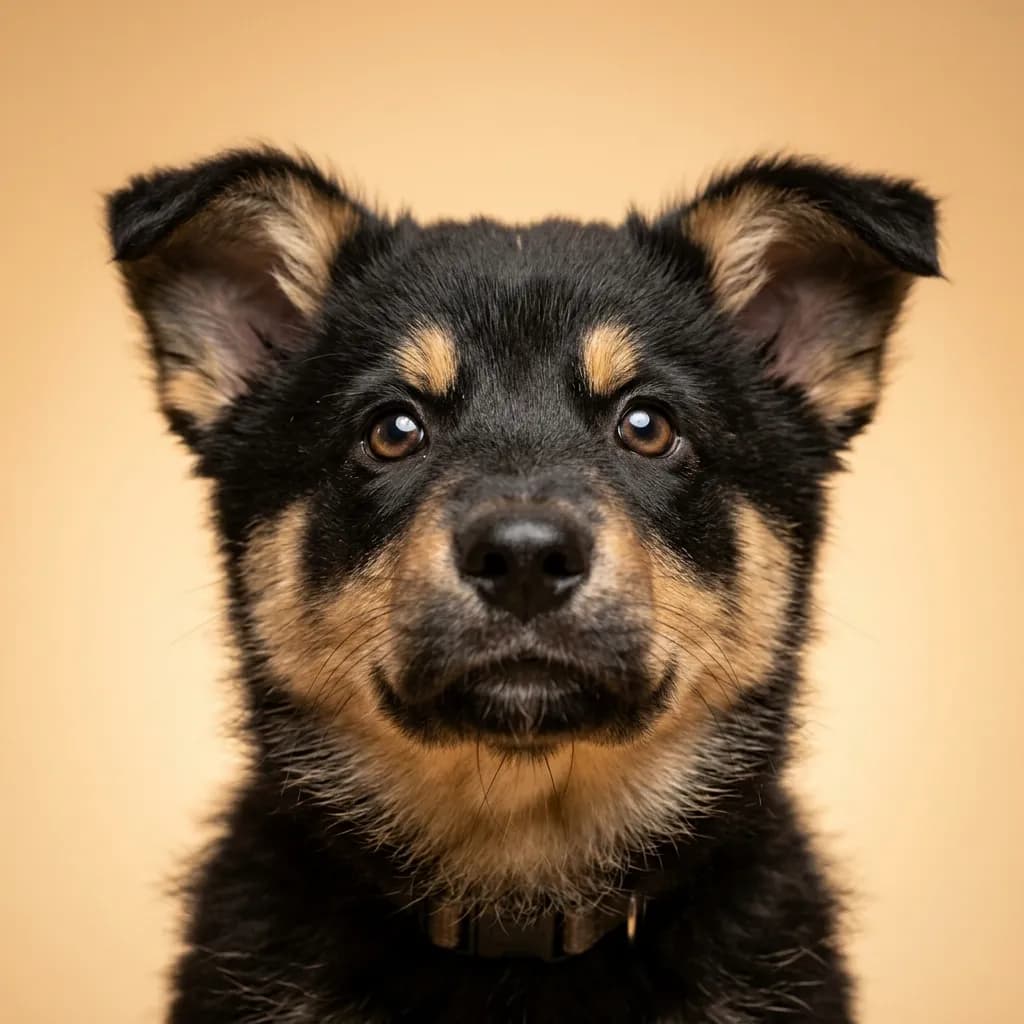
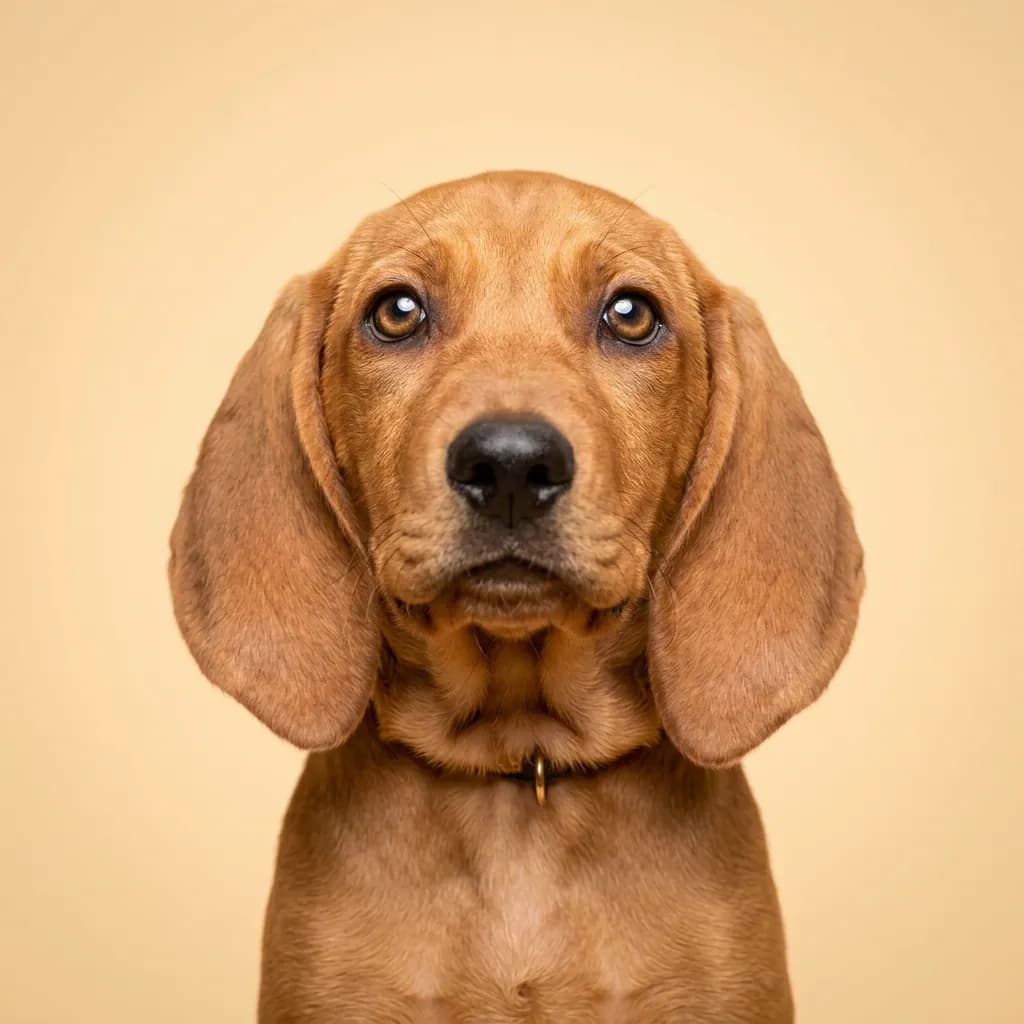
You don’t see Lapponian Herders and Segugio Italianos compared often, but if you’re an active family hunting for a dog that thrives off the leash and loves cold mornings, you might start asking. Both are rare in the U.S., both are vocal, and both need serious exercise. But here’s the thing. they’re wired completely differently. The Lapponian Herder comes from Arctic Finland, built to work reindeer with focus and precision. This dog is intelligent in a problem-solving way, eager to learn, and bonds tightly to its people. You’ll need snow or at least cold weather to keep that thick double coat comfortable. They’re affectionate but not clingy, and they demand mental challenges. Leave them bored and you’ll come home to a dismantled porch. The Segugio Italiano? That’s a hound from the Mediterranean hills, bred to trail hare for hours with a nose that never quits. They’re friendly and athletic, but their intelligence is more independent. Trainability is solid but not like the Herder’s. They’re more likely to catch a scent and go, ignoring your recall. Secure fencing isn’t a recommendation. it’s mandatory. Families in northern climates who hike, ski, or want a true working dog should lean toward the Lapponian Herder. Hunters or rural owners who want a tough, trail-savvy partner will love the Segugio. Here’s the real talk: both are high-energy, but the Herder wants to work with you, while the Segugio wants to work ahead of you. If you’re not okay with a dog that might disappear into the woods following a trail, the Segugio isn’t your breed. The Herder might look back; the Segugio won’t even hear you call.
Trait-by-trait
Higher bar = more of that trait. Shedding, barking, drooling, grooming flipped for readability.Where they diverge
Choose the Lapponian Herder if…
- active families
- cold climates
- herding and working dog enthusiasts
- You value coat grooming — Lapponian Herder scores noticeably higher.
Choose the Segugio Italiano if…
- hunters
- active families
- experienced hound owners
- You value good with other dogs — Segugio Italiano scores higher here.