Mountain Cur vs Tosa
Side-by-side comparison across all 14 AKC trait ratings, with a clear verdict on which breed fits which kind of household.
Not sure which breed fits your life?
Answer five questions about your home, your schedule, and your tolerance for shedding. We’ll match you to your top three breeds from over 200.
Mountain Cur vs Tosa
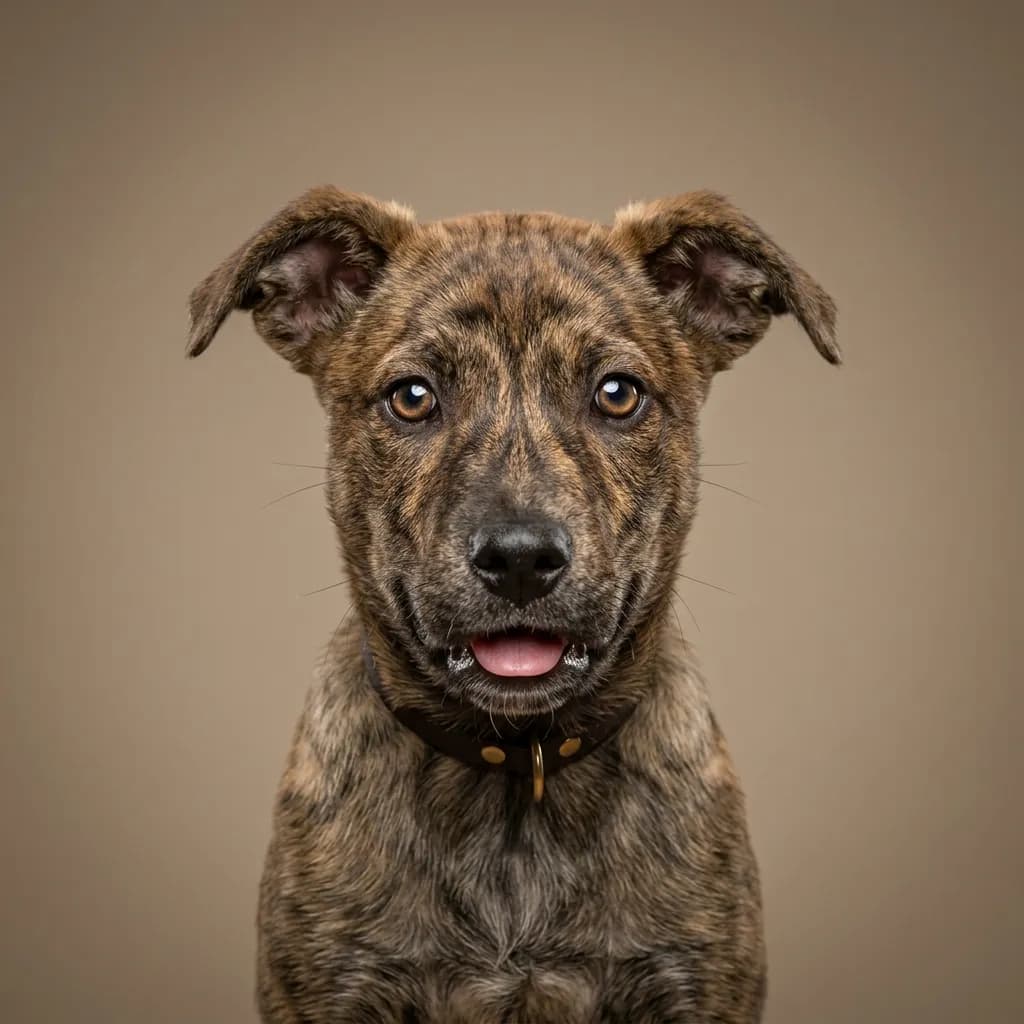
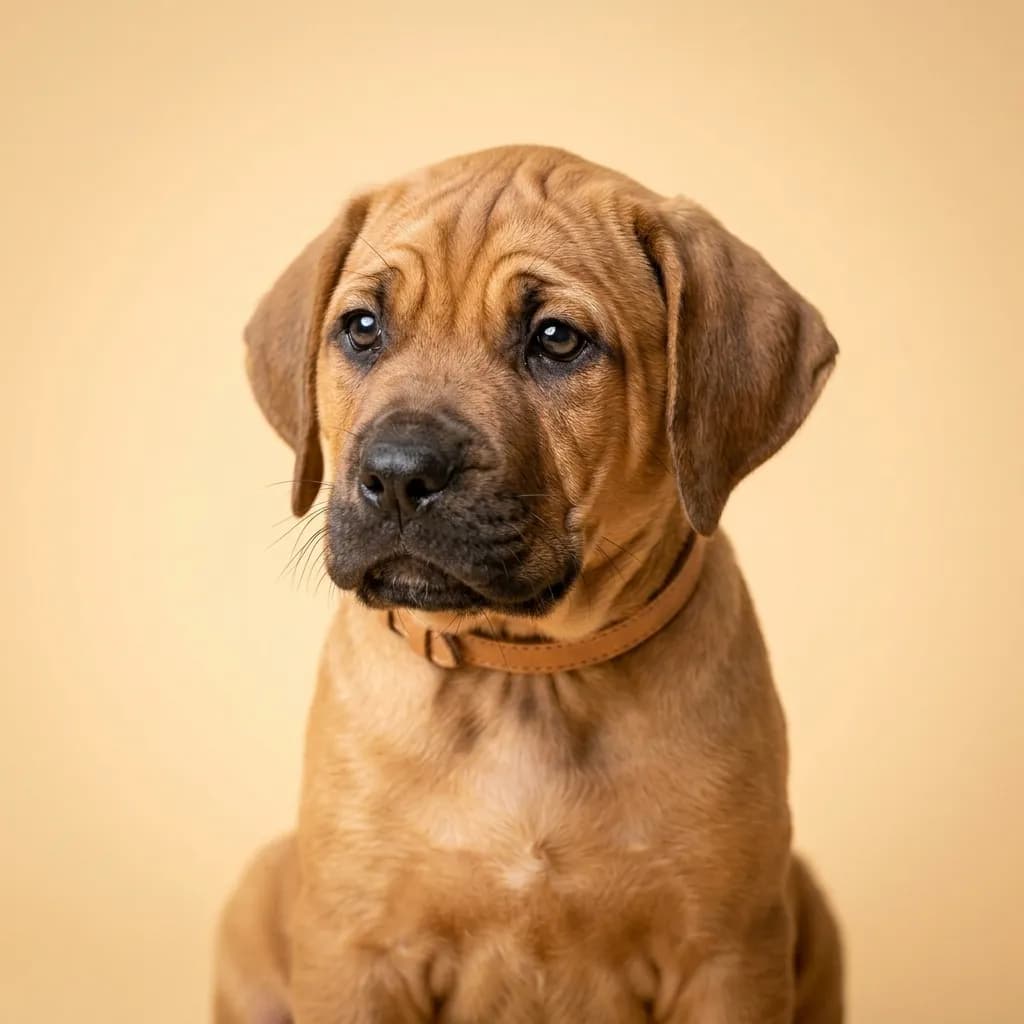
You don’t see a Mountain Cur and a Tosa side by side at dog parks. because one probably lives on a 50-acre homestead and the other needs a fenced fortress and a permit. People compare them not because they look alike. they don’t. but because both are rare, intense, and demand respect. They’re the kind of dogs you don’t choose lightly. But that’s where the similarities end. The Mountain Cur is a wiry, agile hunter built for scrambling up rocky ridges and treeing squirrels or tracking bear. It’s smart, independent, and will work all day if you let it. You’ll need to match its energy, because 5/5 isn’t a suggestion. It’s loyal to its people, aloof with strangers, and not ideal for families who want a cuddly, go-everywhere companion. This dog thrives with hunters or rural owners who value function over fluff. The Tosa? It’s a silent giant, bred in Japan for dog fighting and now repurposed as a calm, imposing companion. At 100 to 200 pounds, it moves with surprising grace but carries the weight of its history. It’s not hyper, but its size alone limits where it can live. Apartments won’t work. Neither will lax training. this breed tests boundaries quietly but firmly. It bonds deeply with its person and can be gentle with kids, but it’s not a playground dog. Here’s the real talk: both need experienced hands, but for opposite reasons. The Cur will outthink you. The Tosa will outwait you. Choose the Cur if you want a working partner who’ll keep your land clear of varmints and your boots company on hikes. Choose the Tosa only if you’ve handled large breeds before, have space, and understand that calm doesn’t mean easy. One’s a mountain fire. bright and fast. The other’s a deep river. slow, powerful, and not for crossing lightly.
Trait-by-trait
Higher bar = more of that trait. Shedding, barking, drooling, grooming flipped for readability.Where they diverge
Choose the Mountain Cur if…
- Active outdoor owners
- Hunters
- Rural or farm settings
- You value good with other dogs — Mountain Cur scores noticeably higher.
Choose the Tosa if…
- very experienced large-breed owners
- homes with secure property
- owners seeking a calm giant breed companion
- You value watchdog / protective — Tosa scores higher here.